
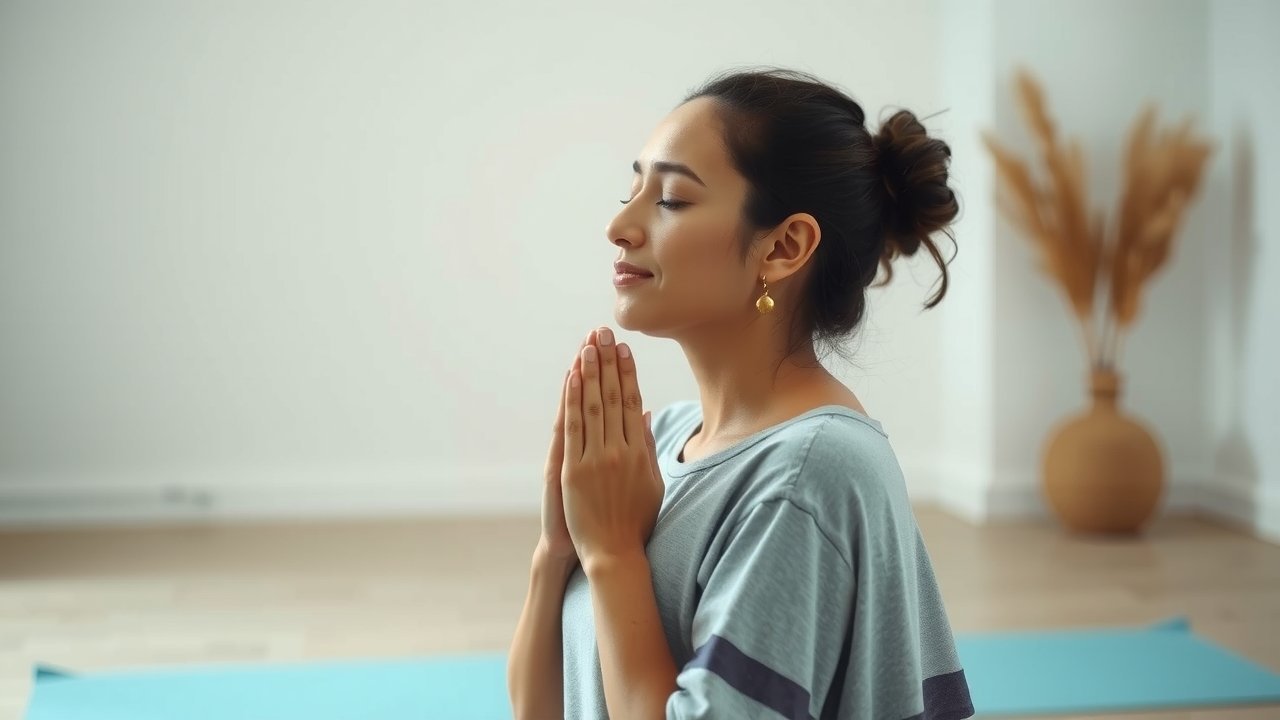
In our fast-paced world, stress has become an unwelcome constant, silently eroding our well-being. But what if there was a simple, universally accessible tool to reclaim your inner calm? There is, and it’s as fundamental as the air you breathe. This comprehensive guide will introduce you to the transformative power of deep breathing for stress relief, a practice proven to soothe your nervous system, clarify your mind, and restore emotional balance. You’ll learn how just a few minutes of intentional breathwork each day can profoundly impact your mental and physical health, offering an immediate and sustainable path to a more peaceful existence.
Table of Contents
- Why Deep Breathing for Stress Relief Matters
- The Science Behind Deep Breathing for Stress Relief
- Top Recommended Products for Enhanced Calm
- Actionable Tips: Integrating Deep Breathing into Your Day
- Common Mistakes to Avoid When Practicing Deep Breathing
- Real Experiences & Results with Consistent Breathwork
- Conclusion & Your Next Steps Towards Inner Calm
- FAQs About Deep Breathing for Stress Relief
Why Deep Breathing for Stress Relief Matters
Deep breathing is a foundational practice in mental wellness because it directly influences your autonomic nervous system, shifting it from a “fight or flight” (sympathetic) response to a “rest and digest” (parasympathetic) state. This simple, free, and immediate technique offers a powerful antidote to the daily anxieties and pressures many face. By consciously controlling your breath, you can lower heart rate, reduce blood pressure, decrease muscle tension, and ultimately, cultivate profound inner calm, enhancing both mental clarity and emotional resilience.
The Science Behind Deep Breathing for Stress Relief
The profound calming effects of deep breathing are rooted in its physiological impact on the human body, particularly the vagus nerve. This crucial nerve is a major component of the parasympathetic nervous system (PNS), responsible for regulating bodily functions when we are at rest. When you engage in intentional, slow, and deep breaths, you stimulate the vagus nerve, sending signals to your brain that it’s safe to relax. This activation triggers a cascade of beneficial responses:
- Reduced Cortisol Levels: Deep breathing has been shown to decrease the production of cortisol, the body’s primary stress hormone. Lower cortisol levels contribute to decreased anxiety, improved mood, and better immune function.
- Increased Oxygen Flow: Proper deep breathing maximizes oxygen intake, ensuring that all cells, including brain cells, receive adequate oxygen. This enhanced oxygenation can improve cognitive function, reduce brain fog, and boost overall energy levels.
- Heart Rate Variability (HRV) Improvement: Regular breathwork can improve HRV, a measure of the variation in time between heartbeats. Higher HRV is associated with better emotional regulation, resilience to stress, and overall cardiovascular health.
- Blood Pressure Regulation: By activating the PNS and calming the cardiovascular system, deep breathing helps to lower and stabilize blood pressure, reducing the risk of hypertension and related health issues.
- Muscle Relaxation: The physical act of deep inhalation and exhalation, especially diaphragmatic breathing, can release tension held in the muscles of the chest, shoulders, and neck, which are common sites for stress-induced tightness.
These physiological shifts contribute to a deep calm throughout the body and mind, proving that mastering breathing practices isn’t just a mental exercise—it’s a potent biological intervention for achieving true emotional balance. The intentional rhythm of these soothing techniques provides a mental ease that recharges the body and spirit, making it a cornerstone for nervous system relaxation.
Top Recommended Products for Enhanced Calm
While deep breathing is a powerful standalone practice, integrating certain high-quality supplements can amplify your journey toward sustained calm and enhanced well-being. At HealthyFlip.com, we prioritize products that align with a holistic approach to mental and physical health.

ArcticBlast
While often recommended for joint comfort and flexibility, managing physical tension is a crucial, often overlooked aspect of stress management. Stress can manifest as muscle aches, stiffness, and overall physical discomfort, creating a feedback loop that exacerbates mental stress. ArcticBlast is a topical solution designed to provide rapid cooling relief to sore muscles and joints, helping to alleviate physical tension. By addressing these bodily discomforts, it can indirectly support your ability to relax and engage more fully in mental relaxation techniques, including deep breathing. When your body feels at ease, your mind finds it much simpler to follow suit, leading to more effective stress reduction.
YU Sleep
Quality sleep is a cornerstone of effective stress management and emotional well-being. Chronic stress can severely disrupt sleep patterns, leading to a vicious cycle where poor sleep increases stress, and increased stress further hinders sleep. YU Sleep is formulated to support restful, restorative sleep naturally. By helping you achieve deeper sleep cycles, YU Sleep aids your body and mind in recovering from daily stressors, which is vital for maintaining resilience. Adequate rest not only improves your mood and energy levels but also enhances your cognitive ability to cope with stressful situations. Incorporating a sleep aid like YU Sleep can complement your deep breathing practices, creating a holistic approach to calming your nervous system and fostering overall mental wellness.
Actionable Tips: Integrating Deep Breathing into Your Day
Incorporating deep breathing into your daily routine doesn’t require a significant time commitment, but rather a conscious effort to pause and reconnect with your breath. Here are actionable tips to make deep breathing exercises for stress a consistent habit:
- The 4-7-8 Breath Technique: This popular technique, developed by Dr. Andrew Weil, is incredibly effective for relaxation.
- Exhale completely through your mouth, making a “whoosh” sound.
- Close your mouth and inhale quietly through your nose to a mental count of four.
- Hold your breath for a count of seven.
- Exhale completely through your mouth, making a “whoosh” sound, to a count of eight.
- This is one breath. Repeat the cycle three more times for a total of four breaths.
- Practice twice a day for immediate and long-term benefits in achieving deep calm and reducing tension.
- Diaphragmatic Breathing (Belly Breathing): This is the most fundamental form of deep breathing.
- Lie on your back with one hand on your chest and the other on your belly.
- Inhale slowly and deeply through your nose, feeling your belly rise as your diaphragm expands. Your chest should remain relatively still.
- Exhale slowly through your mouth, gently pushing the air out by contracting your abdominal muscles.
- Practice for 5-10 minutes, several times a day. This simple exercise promotes profound nervous system relaxation and contributes to overall mental ease.
- Mindful Breathing Breaks: Set reminders on your phone to take short, mindful breathing breaks throughout your day. Even 60 seconds of focused breath can interrupt stress patterns and bring you back to the present moment. This builds a consistent habit of stress reduction.
- Breathing Before Sleep: Integrate relaxation breathing routines before bed. A few minutes of deep, slow breathing can signal to your body that it’s time to wind down, promoting restorative sleep and better emotional balance.
- During Stressful Moments: When you feel stress rising, stop what you’re doing. Take 3-5 deep, slow breaths. This immediate intervention can prevent a full-blown stress response and help you regain control, fostering a sense of inner peace.
Common Mistakes to Avoid When Practicing Deep Breathing
While deep breathing seems intuitive, several common pitfalls can diminish its effectiveness in fostering inner calm:
- Shallow Chest Breathing: Many people breathe primarily from their chest, which is characteristic of the “fight or flight” response.
- The Fix: Focus on belly breathing. Place a hand on your abdomen and ensure it rises and falls with each breath, not just your chest. This ensures you’re engaging your diaphragm for true nervous system relaxation.
- Rushing the Breath: Trying to take too many breaths too quickly defeats the purpose of calming the nervous system.
- The Fix: Slow down. Emphasize longer, smoother inhales and especially longer exhales. Aim for a rhythm where your exhale is slightly longer than your inhale to maximize the parasympathetic response and achieve deep calm.
- Holding Your Breath for Too Long: While some techniques involve breath holds, excessive holding can cause anxiety, especially for beginners.
- The Fix: If new to breathwork, start with simple inhale-exhale cycles. Gradually introduce short holds (like in 4-7-8 breathing) as you become more comfortable. Listen to your body and avoid discomfort.
- Expecting Instant Perfection: Like any skill, mastering deep breathing takes practice. Don’t get discouraged if you don’t feel completely calm immediately.
- The Fix: Be patient and consistent. Regular, even short, practice sessions will build your capacity for stress reduction and emotional balance over time. The benefits accumulate.
- Ignoring Posture: Slouching can restrict diaphragm movement and lung capacity, making deep breathing less efficient.
- The Fix: Sit or stand tall, with a straight spine and relaxed shoulders. This allows your diaphragm to move freely and your lungs to fully expand, optimizing oxygen intake and the effectiveness of your soothing techniques.
Real Experiences & Results with Consistent Breathwork
The beauty of deep breathing lies in its universal applicability and the tangible shifts it creates in individuals’ lives. While personal stories vary, common themes emerge: a profound sense of inner peace, enhanced mental clarity, and a greater capacity to navigate life’s challenges. Many report feeling less reactive to stressors, experiencing fewer panic attacks, and enjoying more restful sleep. From busy professionals finding moments of serenity in their chaotic day to individuals managing chronic anxiety, the feedback consistently points to deep breathing as an indispensable tool for mental and emotional well-being. It’s not about eliminating stress entirely, but rather building resilience and equipping oneself with a reliable mechanism for recovery. Experts often highlight that while these are generalized experiences, consistent practice leads to realistic and sustainable improvements in overall emotional balance, making it a cornerstone of effective stress management skills.
Conclusion & Your Next Steps Towards Inner Calm
Embracing deep breathing as a regular practice is one of the most powerful and accessible steps you can take toward a calmer, more centered life. From its immediate physiological benefits like lowered cortisol and improved heart rate variability to its long-term impact on emotional resilience and mental clarity, the science unequivocally supports its efficacy. Remember, the journey to mastering deep breathing for stress relief is not about perfection, but consistency. Start with just a few minutes a day, perhaps with the 4-7-8 technique or simple belly breathing, and gradually integrate these soothing rituals into your daily routine.
Prioritize these moments of intentional breathwork, allowing them to become your anchors in a busy world. The peace and control you gain will ripple through every aspect of your well-being, enhancing your sleep, improving your focus, and fostering a profound sense of inner harmony. Begin today, and breathe your way to a calmer, more resilient you.

FAQs About Deep Breathing for Stress Relief
Q1: How quickly can I expect to feel the effects of deep breathing for stress relief?
A: Many people report feeling an immediate sense of calm and relaxation after just a few deep breaths. For sustained benefits and to build resilience against stress, consistent daily practice over weeks and months yields the most significant and lasting results.
Q2: Is there a specific time of day that is best for practicing deep breathing?
A: While any time is beneficial, many find morning practice helpful for setting a calm tone for the day, and evening practice excellent for winding down and improving sleep & recovery. Integrating short breaks throughout a stressful workday can also be highly effective.
Q3: Can deep breathing exercises replace medication for anxiety or depression?
A: Deep breathing is a powerful complementary therapy for managing stress, anxiety, and mild depression, and it can significantly enhance overall mental wellness. However, it should not replace prescribed medication or professional medical advice, especially for severe conditions. Always consult with a healthcare professional regarding your treatment plan. This article provides general wellness information and is not a substitute for professional medical advice, diagnosis, or treatment.
Affiliate Disclosure: This article contains affiliate links. We may earn a small commission if you purchase through them. We only recommend products we trust.





Be First to Comment