
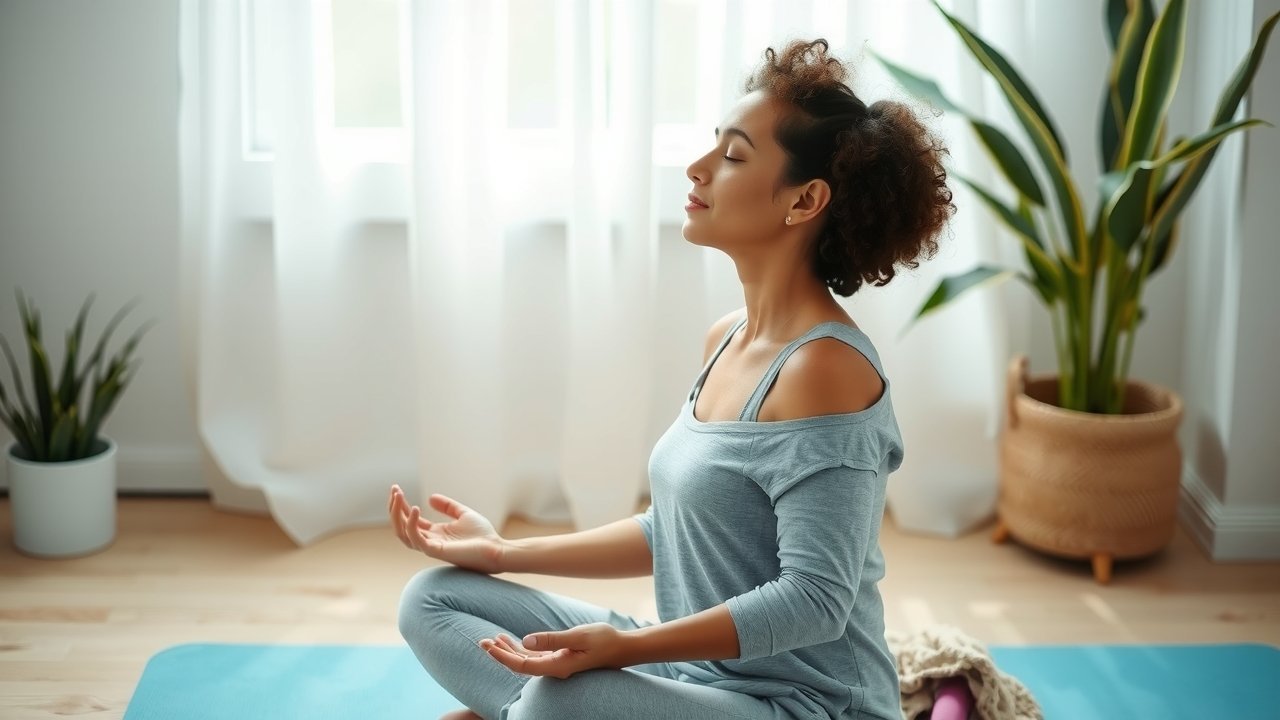
In our fast-paced world, it’s easy to overlook one of the most fundamental yet powerful tools for health and well-being: our breath. Deep breathing exercises are more than just a momentary pause; they are a profound pathway to enhancing your general wellness, offering a cascade of physical, mental, and emotional benefits. From calming a racing mind to bolstering your immune system, the simple act of intentional deep breathing can transform your daily experience.
This ultimate guide will take you on a journey through the world of deep breathing exercises. You’ll discover why these practices are vital for holistic health, delve into the science that explains their effectiveness, learn practical techniques you can implement immediately, and uncover expert tips to integrate them seamlessly into your life. Prepare to unlock a natural and accessible method for cultivating inner peace, resilience, and vibrant health.
Table of Contents
- Why Deep Breathing Exercises for General Wellness Matters
- The Science Behind Deep Breathing for Wellness
- Top Recommended Products for Holistic Wellness
- Actionable Tips: How to Practice Deep Breathing Exercises
- Common Mistakes to Avoid in Deep Breathing Practice
- Real Experiences & Transformative Results
- Conclusion & Your Next Breath Forward
- FAQs About Deep Breathing and Wellness
Why Deep Breathing Exercises for General Wellness Matters
Deep breathing, often referred to as diaphragmatic or belly breathing, is a powerful technique that engages your diaphragm, a muscle located just below your lungs. Unlike shallow chest breathing, which often signals stress, deep breathing promotes relaxation and significantly impacts various aspects of your health. Integrating deep breathing exercises into your routine can lead to remarkable improvements in your general wellness.
Key Benefits of Deep Breathing for General Wellness:
Deep breathing exercises matter because they directly influence your body’s nervous system, shifting it from a “fight or flight” (sympathetic) state to a “rest and digest” (parasympathetic) state. This shift helps to:
- Reduce Stress and Anxiety: Slow, deep breaths activate the vagus nerve, which helps to calm the nervous system, lower heart rate, and decrease blood pressure, offering immediate relief from anxiety and stress.
- Improve Cardiovascular Health: Regular deep breathing can contribute to a healthier heart by promoting better blood circulation, regulating blood pressure, and reducing the risk factors associated with heart disease. For a more comprehensive approach to heart health, consider exploring resources like the Healthy Heart Solution.
- Enhance Lung Function: By fully expanding the lungs and utilizing the diaphragm, deep breathing increases oxygen intake, improves lung capacity, and can be particularly beneficial for individuals with respiratory conditions.
- Boost Mood and Mental Clarity: Increased oxygen to the brain, coupled with stress reduction, leads to improved concentration, better decision-making, and a more positive outlook.
- Support Digestion and Gut Health: The gentle massage of internal organs during diaphragmatic breathing aids digestion. Furthermore, by lowering stress, deep breathing helps mitigate stress-induced digestive issues, contributing to better overall gut health. Learn more about how stress impacts your gut health in our guide on Coping strategies for stress: simple steps to boost your Gut Health.
- Improve Sleep Quality: Calming the mind and body before bed makes it easier to fall asleep and achieve deeper, more restorative sleep.
- Pain Management: By reducing muscle tension and promoting relaxation, deep breathing can help individuals manage chronic pain more effectively.
Research suggests that just a few minutes of deep breathing daily can have profound long-term effects on your physical and psychological well-being. It’s a simple, free, and accessible practice that empowers you to take control of your health.
The Science Behind Deep Breathing for Wellness
The profound effects of deep breathing on general wellness are rooted in its influence on the body’s physiological systems. When you consciously engage in deep, slow breathing, you’re not just moving air; you’re orchestrating a symphony of internal responses that lead to improved health.
The Autonomic Nervous System Connection
At the core of deep breathing’s power is its interaction with the autonomic nervous system (ANS). The ANS controls involuntary bodily functions like heart rate, digestion, and breathing. It has two main branches:
- Sympathetic Nervous System (SNS): The “fight or flight” response system. It’s activated by stress, increasing heart rate, blood pressure, and muscle tension. Shallow, rapid breathing is a hallmark of SNS activation.
- Parasympathetic Nervous System (PNS): The “rest and digest” response system. It promotes relaxation, slows heart rate, aids digestion, and conserves energy. Deep, slow breathing actively stimulates the PNS.
By consciously slowing down your breath and deepening it, you send a clear signal to your brain that you are safe, calm, and can relax. This activates the PNS, counteracting the effects of chronic stress that often plague modern life. This shift is mediated primarily through the vagus nerve, a major component of the PNS that runs from the brainstem to the abdomen.
Oxygenation and Cellular Health
Deep breathing enhances the efficiency of gas exchange in your lungs. When you breathe deeply, you allow your lungs to fully inflate, bringing fresh oxygen into the deepest parts of your lung tissue and expelling more carbon dioxide. This improved oxygenation benefits every cell in your body, optimizing their function and supporting metabolic processes. Better cellular health contributes to increased energy levels, improved cognitive function, and enhanced physical performance.
Hormonal Regulation
Chronic stress, often exacerbated by shallow breathing, leads to elevated levels of stress hormones like cortisol. High cortisol can contribute to various health issues, including weight gain, suppressed immune function, and cardiovascular problems. Deep breathing helps to lower cortisol levels, promoting a more balanced hormonal environment that supports overall health and resilience.
Inflammation Reduction
Studies have shown a link between stress and inflammation, a root cause of many chronic diseases. By reducing stress and activating the PNS, deep breathing can help modulate inflammatory responses in the body. This anti-inflammatory effect is crucial for long-term health and preventing conditions associated with chronic inflammation.
In essence, deep breathing is a sophisticated biological reset button. It optimizes your internal environment, moving you from a state of alert and tension to one of calm and repair, making it an indispensable practice for true general wellness.
Top Recommended Products for Holistic Wellness
While deep breathing is a powerful standalone practice, integrating certain high-quality supplements and tools can further enhance your journey toward holistic wellness. These products are carefully selected to complement the benefits of deep breathing, supporting various aspects of your health and helping you achieve a more balanced state.

1. Healthy Heart Solution
Deep breathing is renowned for its positive impact on cardiovascular health, helping to regulate blood pressure and heart rate. To further support a robust heart, the Healthy Heart Solution offers a comprehensive guide designed to promote a heart-healthy lifestyle. This resource can be an excellent complement to your breathing practice, providing actionable strategies for diet, exercise, and overall heart care that align with the benefits of regular relaxation through breath.
2. ArcticBlast
Stress and tension often manifest as physical discomfort, stiffness, or even mild aches. While deep breathing helps to alleviate mental stress, addressing physical tension can enhance overall relaxation and flexibility. ArcticBlast is an evergreen mobility program that can be beneficial for those looking to manage discomfort and improve flexibility, especially for individuals over 35. By easing physical tension, ArcticBlast allows for deeper, more comfortable breathing, making your relaxation practice even more effective.
3. PrimeBiome
Holistic wellness recognizes the interconnectedness of mind and body, including the crucial role of gut health. Stress, often mitigated by deep breathing, can significantly impact your digestive system. PrimeBiome supports gut health, which is foundational to overall well-being. By fostering a balanced gut microbiome, PrimeBiome can contribute to better digestion, immune function, and even mood regulation, synergizing with the stress-reducing effects of deep breathing for comprehensive holistic wellness.
Actionable Tips: How to Practice Deep Breathing Exercises
Learning to breathe deeply is a skill that improves with practice. Here are several effective deep breathing exercises you can start incorporating into your daily routine today, tailored for various situations and benefits.
1. Diaphragmatic Breathing (Belly Breathing)
This is the foundational deep breathing exercise and often the first step in unlocking greater wellness.
- Find Your Position: Lie on your back with your knees bent and a pillow under your head, or sit comfortably in a chair. Place one hand on your chest and the other on your belly, just below your rib cage.
- Inhale Deeply: Breathe in slowly through your nose, feeling your belly rise against your hand. Your chest should remain relatively still. Count to 4 as you inhale.
- Hold Briefly: Gently hold your breath for a count of 2.
- Exhale Slowly: Exhale slowly through pursed lips (as if blowing through a straw) for a count of 6, feeling your belly fall.
- Repeat: Practice 5-10 minutes, several times a day.
Tip: Focus on making your exhalation longer than your inhalation, as this further activates the parasympathetic nervous system, signaling relaxation.
2. Box Breathing (Four-Square Breathing)
Ideal for calming the nervous system and improving focus, box breathing is a simple yet powerful technique often used by athletes and in high-stress professions.
- Exhale Completely: Slowly exhale all the air from your lungs, counting to 4.
- Inhale: Inhale slowly through your nose for a count of 4.
- Hold (Inhale): Hold your breath with your lungs full for a count of 4.
- Exhale: Exhale slowly through your mouth for a count of 4.
- Hold (Exhale): Hold your breath with your lungs empty for a count of 4.
- Repeat: Continue this cycle for 5 minutes, or until you feel calm and focused.
3. 4-7-8 Breathing Technique
Developed by Dr. Andrew Weil, this technique is particularly effective for anxiety and sleep, acting as a natural tranquilizer for the nervous system.
- Prepare: Place the tip of your tongue against the ridge of tissue just behind your upper front teeth, and keep it there throughout the entire breathing process.
- Exhale Completely: Exhale completely through your mouth, making a “whoosh” sound.
- Inhale: Close your mouth and inhale quietly through your nose to a mental count of 4.
- Hold: Hold your breath for a count of 7.
- Exhale: Exhale completely through your mouth, making a “whoosh” sound, for a count of 8.
- Repeat: This is one breath. Inhale again and repeat the cycle three more times for a total of four breaths.
Note: The ratio of 4-7-8 is more important than the absolute time spent on each phase. If you find holding your breath for 7 seconds challenging initially, shorten the counts but maintain the ratio.
4. Progressive Muscle Relaxation with Deep Breathing
Combine deep breathing with intentional tension and release of muscle groups to deepen relaxation. This can be a very effective way to release stored physical tension, which often accompanies mental stress. This type of practice can also improve flexibility and reduce the perception of discomfort, making it a great pairing with products like ArcticBlast for comprehensive physical well-being.
- Position: Lie down in a comfortable position.
- Deep Breath & Tension: As you inhale deeply for 4 seconds, tense a specific muscle group (e.g., your feet).
- Exhale & Release: As you exhale slowly for 6 seconds, completely relax that muscle group, feeling the tension drain away.
- Move On: Move up your body, tensing and relaxing different muscle groups (calves, thighs, glutes, abdomen, arms, hands, shoulders, face) with each deep breath.
For additional strategies on managing everyday stress, consider reading our comprehensive article: The Ultimate Guide to Stress Management Techniques: Find Your Calm.
Common Mistakes to Avoid in Deep Breathing Practice
While deep breathing exercises are generally safe and beneficial, a few common pitfalls can hinder your progress or even cause discomfort. Being aware of these can help you maximize the benefits and ensure a positive experience.
- Shallow Chest Breathing: The most common mistake is failing to engage the diaphragm, leading to rapid, shallow breaths primarily from the chest. This won’t activate the parasympathetic nervous system effectively.
- Correction: Place one hand on your belly. Focus on making that hand rise with each inhale, while your chest hand remains relatively still.
- Forcing the Breath: Trying too hard to breathe deeply can lead to tension in the neck, shoulders, and jaw, counteracting the relaxation goal.
- Correction: Practice gentle, smooth breaths. It’s about a relaxed expansion, not a strenuous effort. Start with shorter sessions and gradually increase duration as you become more comfortable.
- Over-Breathing (Hyperventilation): Breathing too quickly or too deeply, especially when first starting, can lead to lightheadedness, dizziness, or tingling sensations due to an imbalance of oxygen and carbon dioxide.
- Correction: Always aim for a slow, controlled pace. If you feel lightheaded, pause, breathe normally for a moment, and then try again with less intensity.
- Holding Breath Too Long: While some techniques involve breath retention, holding your breath for uncomfortable durations can cause anxiety rather than relieve it.
- Correction: Stick to the recommended counts for breath holds in specific techniques. If a count feels too long, reduce it to a comfortable level.
- Inconsistency: Expecting immediate, profound results after just one session and then abandoning the practice.
- Correction: Deep breathing is a practice. Consistency is key. Even 5-10 minutes daily can yield significant benefits over time. Make it a habit, like brushing your teeth.
- Ignoring Your Body’s Signals: Pushing through discomfort or pain during practice.
- Correction: Listen to your body. If something feels wrong or causes pain, stop or adjust your technique. Consult a healthcare professional if you have underlying respiratory or cardiovascular conditions before starting new breathing exercises.
By being mindful of these common mistakes, you can cultivate a more effective and enjoyable deep breathing practice that truly contributes to your general wellness.
Real Experiences & Transformative Results
The anecdotal evidence and personal testimonies regarding the power of deep breathing exercises are vast and inspiring. Individuals from all walks of life report significant improvements in their general wellness by incorporating these simple practices into their routines.
Many individuals grappling with chronic stress find that a consistent 10-minute daily session of diaphragmatic breathing can dramatically reduce their baseline anxiety levels. One user shared, “Before deep breathing, I felt constantly on edge. Now, I have a tool to calm myself down in minutes, and I notice I react less impulsively to daily stressors.” This highlights the practical, real-time benefit of improved emotional regulation.
For those struggling with sleep, the 4-7-8 breathing technique often proves to be a game-changer. Numerous reports describe how this method helps quiet a busy mind and eases the transition into sleep. “I used to lie awake for hours,” recounts another individual, “but with 4-7-8 breathing, I’m usually asleep within 15 minutes. It’s like a lullaby for my brain.”
Beyond mental and emotional benefits, people frequently observe physical improvements. Regular practitioners report fewer tension headaches, reduced muscle stiffness, and even better digestive regularity, which aligns with the scientific understanding of the vagus nerve’s role in gut function. Holistic wellness advocates often highlight how deep breathing empowers individuals to take a proactive role in managing their health, providing a sense of agency and control in a world that often feels overwhelming. This commitment to self-care is a core principle also supported by mindfulness practices, as detailed in our guide: The Ultimate Guide to Mindfulness Techniques: Find Your Inner Peace.
These experiences underscore a fundamental truth: while modern medicine offers many solutions, sometimes the most profound transformations come from within, activated by the simple, conscious control of our breath.
Conclusion & Your Next Breath Forward
Deep breathing exercises are not just a trend; they are a timeless and scientifically validated pathway to enhancing your general wellness. From calming your nervous system and reducing stress to boosting cardiovascular health and improving sleep, the benefits are far-reaching and profoundly impactful. By taking just a few minutes each day to practice intentional breathing, you empower yourself with a powerful tool for holistic health.
Remember, consistency is key. Start with short sessions, experiment with different techniques like diaphragmatic breathing, box breathing, or the 4-7-8 method, and find what resonates most with you. Integrate these practices into your daily routine, whether it’s before a challenging meeting, during a stressful moment, or as part of your bedtime ritual. Your breath is always with you, a constant source of calm and vitality, ready to be harnessed for a healthier, more balanced life.
Take that next breath. Inhale calm, exhale tension, and step forward on your journey to profound general wellness.

FAQs About Deep Breathing and Wellness
Q1: How quickly can I expect to feel the benefits of deep breathing exercises?
A: Many people report feeling an immediate sense of calm and relaxation after just a few minutes of deep breathing. Consistent daily practice, however, yields cumulative benefits over weeks and months, leading to sustained reductions in stress, improved sleep, and better overall emotional regulation. Stick with it for the long term!
Q2: Are there any risks or side effects to deep breathing?
A: Deep breathing is generally very safe. The most common “side effect” for beginners is slight lightheadedness or dizziness from over-breathing, especially if breathing too quickly or too deeply initially. If this occurs, simply slow down your breathing, take a break, and resume gently. If you have severe respiratory or cardiovascular conditions, it’s always wise to consult your doctor before starting any new breathing practices.
Q3: How often should I practice deep breathing for optimal general wellness?
A: Aim for at least 5-10 minutes of dedicated deep breathing exercises once or twice a day. Many experts suggest practicing upon waking, before bed, or during stressful moments. The key is consistency. Even short, mindful deep breaths throughout your day can make a significant difference to your general wellness.
Q4: Can deep breathing exercises help with chronic pain?
A: Yes, deep breathing can be a valuable tool in chronic pain management. By activating the parasympathetic nervous system, it helps reduce muscle tension, lower stress-induced pain responses, and improve your ability to cope with discomfort. While it’s not a cure, it can significantly enhance your quality of life when dealing with chronic pain. For specific physical discomfort, complementary approaches such as targeted mobility programs like ArcticBlast may also provide relief.
Q5: What’s the best way to remember to do my deep breathing exercises?
A: Integrating deep breathing into existing routines is highly effective. Try pairing it with activities you already do, such as waiting for your coffee to brew, during your commute, or as a pre-sleep ritual. Setting reminders on your phone or using meditation apps can also be very helpful. Remember, your breath is always available to you, so simply taking a few conscious breaths when you feel overwhelmed is always an option.
Affiliate Disclosure: This article contains affiliate links. If you purchase through these links, we may earn a small commission—at no extra cost to you. We only recommend products we believe in and have thoroughly researched.






Be First to Comment