
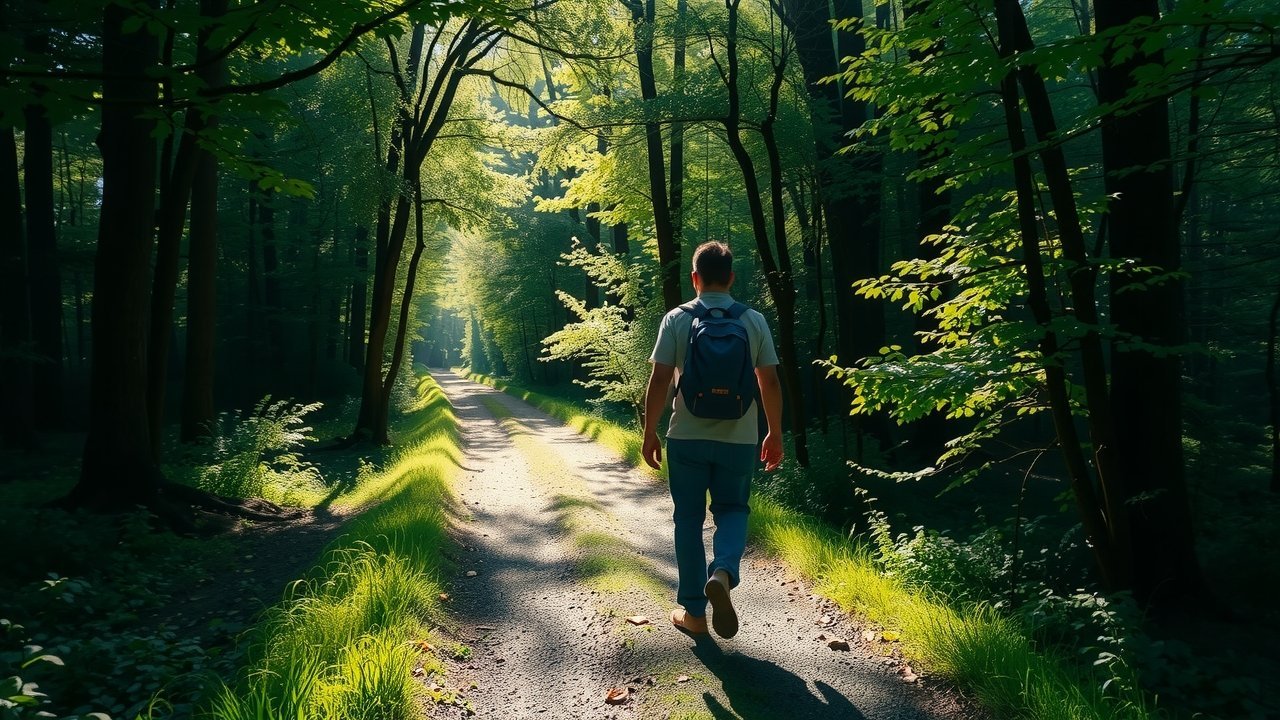
In our increasingly digital and fast-paced world, it’s easy to feel disconnected, overwhelmed, and burdened by the pressures of modern life. Many of us are searching for simple, effective ways to restore balance and find a deeper sense of inner peace. What if the answer was as fundamental as stepping outside? This is where the profound concept of nature therapy for mental health comes into play, offering a powerful, accessible pathway to well-being.
At HealthyFlip.com, we believe in empowering you with expert-backed insights and actionable strategies to cultivate a truly holistic life. This comprehensive guide will explore the transformative effects of immersing yourself in green spaces, backed by scientific research and practical advice. You’ll discover how connecting with the natural world can be a potent antidote to stress, anxiety, and the myriad challenges that impact our mental and emotional states. Prepare to rediscover the healing power of nature and unlock a renewed sense of vitality and calm.
Table of Contents
- Why Nature Therapy for Mental Health Matters
- The Science Behind Nature Therapy for Mental Health
- Top Recommended Products for Holistic Wellness
- Actionable Tips for Integrating Nature Therapy into Your Life
- Common Mistakes to Avoid in Your Nature Journey
- Real Experiences & Transformative Results
- Conclusion & Next Steps
- FAQs About Nature Therapy for Mental Health
Why Nature Therapy for Mental Health Matters
In an era dominated by screens and artificial environments, the human spirit often yearns for the authenticity and tranquility of the natural world. Nature therapy for mental health, also known as ecotherapy, green therapy, or forest bathing (shinrin-yoku), refers to the practice of using natural environments to promote mental and physical well-being. It’s not just about a pleasant stroll in the park; it’s a deliberate and mindful engagement with nature that yields significant, measurable benefits.
The urgency of embracing nature therapy stems from the escalating global mental health crisis. Rates of anxiety, depression, and chronic stress continue to climb, often exacerbated by urban living, demanding schedules, and constant digital stimulation. Studies consistently show that exposure to natural environments can:
- Reduce Stress and Anxiety: Nature has a remarkable ability to lower cortisol levels (the stress hormone), reduce heart rate, and decrease blood pressure, inducing a state of deep relaxation.
- Improve Mood and Combat Depression: Spending time in green spaces is linked to lower risks of depressive symptoms. The calming aesthetics and fresh air can significantly uplift spirits.
- Enhance Cognitive Function: Research indicates that interacting with nature can improve attention span, memory, and problem-solving skills, essentially giving our brains a much-needed reset.
- Boost Physical Activity: Nature encourages movement, whether it’s walking, hiking, or gardening, contributing to both physical and mental resilience.
- Foster Social Connection: Parks and green spaces often serve as community hubs, providing opportunities for social interaction and reducing feelings of isolation.
- Promote Better Sleep: Exposure to natural light cycles and physical activity outdoors can regulate circadian rhythms, leading to more restorative sleep.
Unlike many therapeutic interventions, nature therapy is inherently accessible, often free, and requires no special equipment beyond an open mind and comfortable shoes. It offers a gentle yet powerful pathway to holistic healing, reminding us that we are part of a larger, interconnected ecosystem.
The Science Behind Nature Therapy for Mental Health
The growing body of scientific evidence unequivocally supports the profound impact of nature therapy for mental health. It’s more than just a feeling; physiological and psychological mechanisms are at play when we immerse ourselves in green environments. This practice offers deep calm and significant stress relief, fostering emotional balance and promoting nervous system relaxation. It’s a key component of mental ease, contributing to overall mind-body harmony and supporting essential relaxation rituals.
Physiological Responses
- Cortisol Reduction: Numerous studies have demonstrated that just a short walk in a forest or park can significantly lower levels of cortisol, the body’s primary stress hormone. This reduction leads to decreased inflammation and improved immune function.
- Blood Pressure and Heart Rate: Exposure to natural stimuli like the sounds of birdsong, rustling leaves, and natural scents has been shown to lower both blood pressure and heart rate, promoting a state of physiological calm.
- Immune System Boost (Phytoncides): Japanese research on “forest bathing” (shinrin-yoku) has highlighted the role of phytoncides, airborne chemicals emitted by trees. Inhaling these compounds appears to increase the activity of natural killer (NK) cells, a type of white blood cell that fights infections and cancer.
Psychological Theories
- Attention Restoration Theory (ART): Developed by psychologists Rachel and Stephen Kaplan, ART posits that nature provides an “effortless fascination” that allows our directed attention (the kind we use for work and problem-solving) to rest and recover. This restorative experience helps reduce mental fatigue and improve concentration.
- Biophilia Hypothesis: Coined by E.O. Wilson, the biophilia hypothesis suggests that humans have an innate, evolutionary tendency to connect with nature and other living systems. This deep-seated connection explains why natural environments feel inherently comforting and healing.
- Stress Reduction Theory (SRT): Roger Ulrich’s SRT proposes that humans have an adaptive response to non-threatening natural environments. Such environments evoke positive feelings, reduce physiological arousal associated with stress, and promote a sense of safety and tranquility.
Neurochemical and Brain Activity Changes
Emerging research using fMRI and other neuroimaging techniques reveals that nature exposure can alter brain activity:
- Amygdala Activity: Studies show that urban nature exposure can lead to reduced activity in the amygdala, the brain region associated with processing fear and stress. This suggests a direct impact on our emotional regulation.
- Prefrontal Cortex: Increased activity in the prefrontal cortex, responsible for executive functions like planning and decision-making, has been observed after spending time in nature, pointing to improved cognitive control.
- Neurotransmitter Release: While more research is needed, it’s believed that nature can influence the release of neurotransmitters like serotonin and dopamine, contributing to improved mood and feelings of pleasure.
The cumulative effect of these scientific findings paints a clear picture: nature is not merely a backdrop for our lives but an active ingredient in our mental and physical well-being. Incorporating regular doses of green space into our routines is a scientifically validated strategy for fostering resilience and maintaining optimal mental health.
Top Recommended Products for Holistic Wellness
While direct engagement with nature is paramount for enhancing mental well-being, supporting your body’s internal systems can amplify these benefits, helping you achieve a truly holistic state of health. At HealthyFlip, we carefully select products that align with our philosophy of nurturing the mind, body, and spirit. The following recommendations are designed to complement your nature therapy practices by promoting internal balance and supporting your overall vitality.
PrimeBiome: Nurturing Your Gut for a Calmer Mind
The connection between your gut and brain health is profound and increasingly recognized by scientific research. A healthy gut microbiome can significantly influence your mood, stress response, and even cognitive function. If you’re seeking to enhance your holistic wellness journey, supporting your gut is a crucial step.
- How it helps: PrimeBiome is formulated to foster a balanced and thriving gut environment. By promoting beneficial bacteria, it aids in digestive comfort and nutrient absorption, which can indirectly impact neurotransmitter production (like serotonin, much of which is produced in the gut) and reduce systemic inflammation. A calmer gut often translates to a calmer mind, making you more receptive to the soothing effects of nature therapy.
- Expert Insight: “Our gut is often called our ‘second brain’ for good reason. Maintaining its health with a quality probiotic like PrimeBiome can be a foundational step for anyone looking to improve their mental clarity and emotional resilience, paving the way for nature’s therapeutic benefits to truly sink in.”
Healthy Heart Solution: Supporting Cardiovascular Health Through Calm
Stress is a known contributor to cardiovascular issues, and nature therapy excels at reducing this burden. To further safeguard your heart health while embracing the peace of green spaces, a comprehensive guide to a heart-healthy lifestyle can be invaluable.
- How it helps: The Healthy Heart Solution offers an extensive eBook and video guide designed to empower you with the knowledge and tools for optimal cardiovascular wellness. It covers balanced nutrition, lifestyle habits, and strategies to manage stress—all elements that complement the calming effects of nature. By actively reducing stress through nature and implementing these heart-healthy practices, you create a powerful synergy for long-term well-being.
- Expert Insight: “A healthy heart is fundamental to a vibrant life. When we engage in nature therapy, we naturally lower our stress, which directly benefits our cardiovascular system. The Healthy Heart Solution provides the educational framework to build upon these natural benefits, ensuring a robust foundation for a life of vitality and peace.”

Integrating these carefully selected products into your routine can provide an internal scaffold for the external healing you seek in nature. Remember, holistic wellness is about addressing all facets of your being, and these products are chosen to support that integrated approach.
Actionable Tips for Integrating Nature Therapy into Your Life
You don’t need to live in a national park to benefit from nature therapy. Even small, consistent doses of green space can make a significant difference. Here are actionable steps to weave nature therapy into your daily life, regardless of where you live:
- Practice Mindful Walks (Forest Bathing):
- How: Instead of rushing through a walk, slow down. Engage all your senses. What do you see (colors, textures, patterns)? What do you hear (birds, wind, rustling leaves)? What do you smell (earth, flowers, rain)? Touch a tree, feel the grass beneath your feet.
- Where: A local park, a treelined street, a backyard, or a forest preserve. The key is intentional presence.
- Duration: Start with 15-20 minutes, aiming for longer sessions (1-2 hours) when possible.
- Create Your Own Green Oasis:
- How: If outdoor access is limited, bring nature indoors. Fill your home with houseplants – they purify the air and add a calming aesthetic. Consider a small herb garden on a windowsill or a balcony garden.
- Benefit: Even visual access to greenery has been shown to reduce stress and improve mood.
- Incorporate Nature into Your Routine:
- Morning Ritual: Start your day with coffee or tea on a porch, balcony, or by an open window overlooking greenery.
- Lunch Break: Eat lunch outdoors in a park or a green area.
- Movement: Opt for walking or cycling through scenic routes instead of driving. Choose outdoor workouts.
- Engage in Active Nature Activities:
- Gardening: Tending to plants is a deeply grounding and rewarding form of nature therapy. It connects you to cycles of growth and life.
- Hiking/Trail Walking: Explore local trails. The varying terrain and deeper immersion in nature can be incredibly refreshing.
- Nature Journaling: Bring a notebook and pen. Observe and write about what you see, hear, and feel in nature. This deepens your connection and provides a reflective outlet.
- Seek Out Water Elements:
- Lakes, Rivers, Oceans: “Blue spaces” (bodies of water) have a uniquely calming effect. The sound of waves, the vastness of the water, and the fresh air can be incredibly therapeutic. Even a fountain in a city park can provide a mini dose of this benefit.
- Mindful Observation:
- How: Dedicate a few minutes each day to simply observe nature. Watch the clouds, track a bird, notice the intricate patterns of a leaf. This practice cultivates mindfulness and presence.
- Internal Link: For more on cultivating presence, explore our guide on The Ultimate Guide to Mindfulness Techniques: Find Your Inner Peace.
The key is consistency and intentionality. By making a conscious effort to integrate nature into your routine, you’ll begin to experience the profound and lasting benefits for your mental well-being.
Common Mistakes to Avoid in Your Nature Journey
While nature therapy is generally safe and beneficial, certain pitfalls can prevent you from fully harnessing its healing power. Being aware of these common mistakes can help you optimize your experience and achieve deeper results.
- Mistake 1: Treating it Like a Chore, Not a Retreat.
- Error: Rushing through your time in nature, constantly checking your phone, or viewing it as another item on your to-do list.
- Fix: Approach nature time as a sacred pause, a deliberate act of self-care. Leave your phone on silent or, ideally, at home. Practice mindfulness exercises to stay present and truly immerse yourself in the environment.
- Mistake 2: Overlooking Urban Green Spaces.
- Error: Believing you need pristine wilderness to benefit from nature therapy, leading to inaction if a national park isn’t nearby.
- Fix: Recognize the power of small green spaces. A city park, a treelined street, a community garden, or even a quiet corner in your backyard can offer significant benefits. The key is exposure to living green elements.
- Mistake 3: Expecting Instant Cures.
- Error: Looking for immediate, dramatic transformations after a single nature encounter.
- Fix: Understand that nature therapy, like any holistic practice, works best with consistency over time. Its effects are cumulative. Regular, short exposures are often more beneficial than infrequent, long ones.
- Mistake 4: Not Dressing Appropriately or Preparing.
- Error: Going out unprepared for weather changes, uncomfortable footwear, or forgetting water, leading to discomfort and cutting short your experience.
- Fix: Always check the weather. Wear comfortable shoes and layers. Bring water, especially for longer walks. A small backpack with essentials can make your time in nature much more enjoyable and extendable.
- Mistake 5: Neglecting Personal Safety.
- Error: Venturing into unfamiliar or isolated areas alone, especially at dawn or dusk, without informing anyone of your whereabouts.
- Fix: Prioritize safety. Stick to well-marked trails, especially if you’re alone. Share your plans with a friend or family member. Be aware of your surroundings and local wildlife. Consider a small self-defense tool if you feel uneasy.
- Mistake 6: Ignoring Your Body’s Signals.
- Error: Pushing yourself too hard physically, leading to exhaustion or injury, which can create negative associations with nature time.
- Fix: Listen to your body. Choose activities and durations that feel good and restorative, not punishing. The goal is relaxation and rejuvenation, not a strenuous workout every time.
- Internal Link: If stress is a concern, check out our guide on The Ultimate Guide to Stress Management Techniques: Find Your Calm.
By avoiding these common missteps, you can ensure your nature therapy journey is consistently positive, effective, and deeply enriching for your mental and emotional health.
Real Experiences & Transformative Results
The beauty of nature therapy lies in its universal applicability and the deeply personal transformations it inspires. While scientific studies provide the empirical evidence, countless individual stories illustrate its profound impact on mental well-being.
A Shift in Perspective for a Busy Professional
Take Sarah, a marketing executive in her late 30s. Plagued by chronic stress, insomnia, and a constant feeling of being overwhelmed, she was skeptical about “just going for a walk.” However, after a friend recommended daily mindful walks in a local arboretum, she decided to try it. Initially, her mind raced, planning her next meeting or worrying about deadlines. But with consistent effort, she began to notice subtle changes. The vibrant greens of the leaves, the rhythmic sound of her footsteps, the scent of damp earth – these sensory details started to anchor her to the present. Within weeks, Sarah reported not only improved sleep quality but also a newfound ability to approach work challenges with a calmer, more focused mind. Her boss even commented on her reduced irritability and enhanced creativity. Nature didn’t solve all her problems, but it provided a vital mental reset button.
Finding Solace During Grief
Mark, a retiree, experienced profound grief after losing his spouse. He found himself withdrawn, struggling with persistent sadness and a lack of motivation. A local bereavement group suggested spending time outdoors. Reluctantly, he started visiting a nearby botanical garden. The sheer resilience of nature—new blooms emerging, old leaves falling away—offered a quiet, powerful metaphor for life and loss. The expansive beauty and the simple act of breathing fresh air became a source of unexpected comfort. He didn’t forget his grief, but the natural world provided a sanctuary where his sorrow felt less oppressive, and glimpses of peace began to emerge. He found that the garden allowed him to process his emotions in a gentle, less confronting way.
Boosting Energy and Reducing Screen Fatigue for Students
College students often grapple with intense academic pressure and significant screen time. Emily, a computer science major, frequently experienced mental fog and exhaustion. She started incorporating “green breaks” – 15-minute walks around the campus’s green spaces between study sessions. These short immersions in nature helped clear her head, reduce eye strain, and improve her concentration when she returned to her studies. She noticed a significant reduction in her stress levels during exam periods and felt more energized and productive overall.
These stories highlight that the benefits of nature therapy are not exclusive to specific demographics or conditions. Whether it’s the subtle shift from urban noise to birdsong, the calming influence of lush greenery, or the grounding sensation of earth beneath one’s feet, engaging with nature offers a unique form of healing that touches the deepest parts of our being. The key is to be open to the experience and to allow nature’s inherent wisdom to guide you toward greater peace and well-being. For a broader understanding of how all aspects of well-being intertwine, consider exploring The Holistic Approach to Healing: How Body, Mind & Spirit Work Together.
Conclusion & Next Steps
The journey to optimal mental health is multifaceted, but the path back to nature stands out as one of the most accessible, enjoyable, and scientifically supported routes. As we’ve explored, the benefits of nature therapy for mental health are extensive, encompassing stress reduction, mood enhancement, cognitive improvements, and even physical health gains. Embracing green spaces offers a profound antidote to the pressures of modern life, fostering a sense of deep calm, emotional balance, and restorative peace that many of us deeply crave.
You don’t need to embark on an expedition to experience this healing power. Small, consistent engagements with the natural world—a mindful walk in the park, tending to houseplants, or simply observing the sky—can yield remarkable results. It’s about cultivating a conscious connection, allowing the quiet wisdom of nature to soothe your nervous system, clear your mind, and rejuvenate your spirit.
Your Next Steps to a Calmer You:
- Start Small, Stay Consistent: Begin with 15-minute mindful nature breaks daily. Make it a non-negotiable part of your routine.
- Engage All Your Senses: Truly immerse yourself. What do you see, hear, smell, and feel? Let the natural world envelop you.
- Explore Local Green Spaces: Discover parks, gardens, and trails in your area. Each offers a unique sensory experience.
- Bring Nature Indoors: Cultivate houseplants or create a small indoor garden to enjoy nature’s presence even when you can’t go outside.
- Support Your Inner Ecosystem: Consider complementary wellness practices and supplements like PrimeBiome for gut health or the Healthy Heart Solution to amplify your holistic well-being journey.
Reclaim your innate connection to the earth. Let the whispering leaves, the gentle sunlight, and the vibrant life around you guide you towards a calmer, more resilient, and more balanced mind. The journey begins with a single step outside.

FAQs About Nature Therapy for Mental Health
Q1: What exactly is nature therapy, and how does it differ from just “going outside”?
A: Nature therapy, or ecotherapy, is the intentional and guided practice of interacting with natural environments to improve mental and physical health. While “going outside” can be beneficial, nature therapy involves a mindful, sensory-rich engagement with nature, often with specific goals like stress reduction or mood improvement, rather than just casual outdoor activity. It’s about conscious immersion.
Q2: How quickly can I expect to feel the benefits of nature therapy?
A: Many people report feeling more relaxed and refreshed after just 15-20 minutes of mindful nature exposure. However, the cumulative and deeper benefits, such as significant reductions in chronic stress or improvements in mood disorders, typically develop with consistent practice over weeks and months. Like any wellness practice, consistency is key.
Q3: Do I need a vast forest to practice nature therapy for mental health?
A: Absolutely not! While large natural areas offer profound immersion, even small urban green spaces like city parks, community gardens, treelined streets, or even your own backyard can provide significant therapeutic benefits. The presence of living greenery, fresh air, and natural light is what matters most. Bringing nature indoors with plants also helps.
Q4: Can nature therapy replace traditional mental health treatments?
A: Nature therapy is a powerful complementary practice, not a standalone replacement for professional mental health treatments for severe conditions. It can significantly support and enhance traditional therapies by reducing stress, improving mood, and building resilience. Always consult with a qualified healthcare professional regarding your specific mental health needs and treatment plan. Never discontinue prescribed medications or therapies without medical advice.
Q5: Are there any risks associated with nature therapy?
A: Generally, nature therapy is very low-risk. However, it’s important to be mindful of personal safety (e.g., uneven terrain, weather changes, local wildlife, informing someone of your whereabouts). For individuals with severe allergies or mobility issues, choosing appropriate, accessible natural settings is crucial. Always prioritize your comfort and safety.
Affiliate Disclosure: This article contains affiliate links. We may earn a small commission if you purchase through them. We only recommend products we trust.






Be First to Comment