
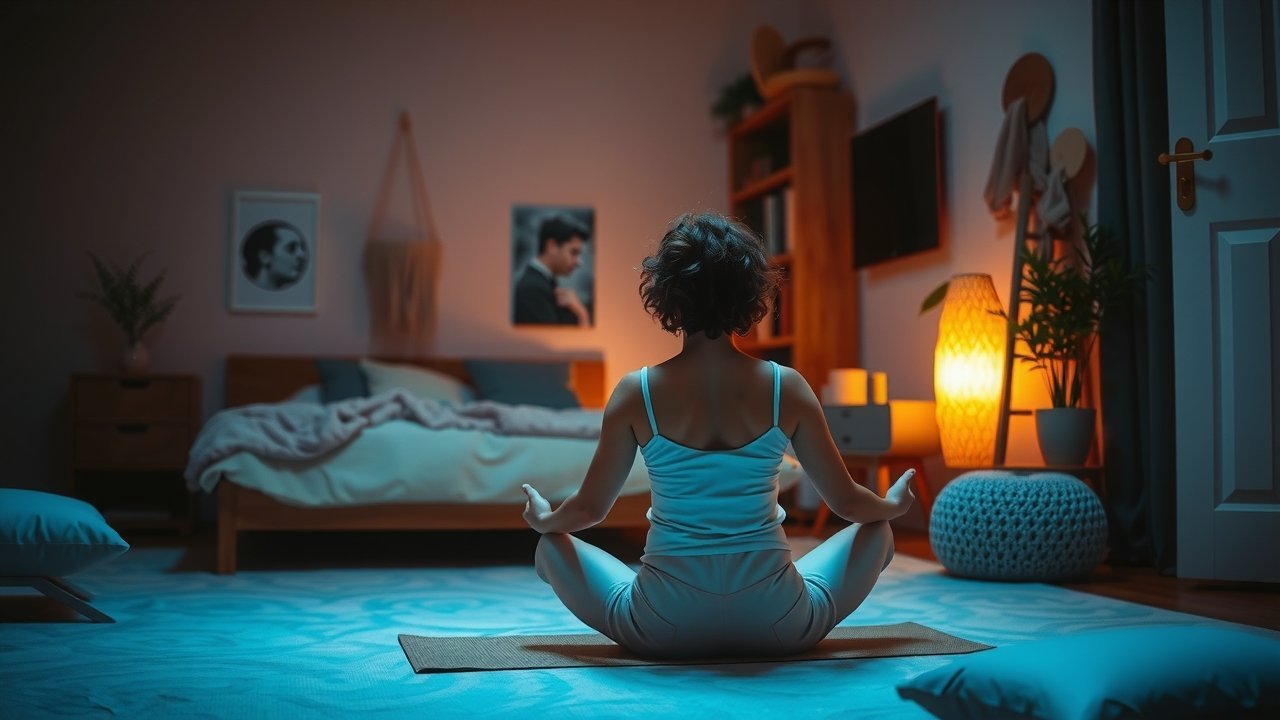
In our fast-paced world, anxiety often feels like an unwelcome companion, clinging to our thoughts and disrupting our peace. It’s a feeling that many of us know all too well, especially when it starts to infringe upon our most vital restorative processes: sleep and recovery. If you’ve ever found yourself tossing and turning, mind racing with worries, or waking up still feeling exhausted, you understand the profound impact anxiety has on your well-being. But what if there was a powerful, natural tool you could use to quiet the storm within and reclaim your restful nights?
Enter mindfulness meditation for anxiety – a practice that offers a beacon of hope for those seeking to calm their minds, improve their sleep, and enhance their overall recovery. This isn’t just about relaxation; it’s about fundamentally changing your relationship with your thoughts and emotions. In this complete guide, we’ll explore the transformative power of mindfulness meditation, delving into its scientific underpinnings, practical techniques, and how it directly benefits your sleep and recovery. Get ready to discover how to cultivate inner peace, reduce stress, and unlock the deep, restorative rest your body and mind truly deserve.
Table of Contents
- Why Mindfulness Meditation for Anxiety Matters
- The Science Behind Mindfulness, Sleep & Recovery
- Top Recommended Products for Sleep & Recovery
- Actionable Tips: How to Practice Mindfulness for Better Sleep
- Common Mistakes to Avoid in Your Mindfulness Practice
- Real Experiences & Transformative Results
- Conclusion & Your Path to Lasting Calm
- FAQs About Mindfulness Meditation for Anxiety & Sleep
Why Mindfulness Meditation for Anxiety Matters
Anxiety is more than just a feeling; it’s a complex interplay of mental, emotional, and physical responses that can significantly impair your quality of life. When anxiety takes hold, it often triggers the body’s “fight or flight” response, leading to increased heart rate, shallow breathing, and persistent mental chatter. This state of heightened arousal makes it incredibly difficult to relax, unwind, and transition into restorative sleep.
Mindfulness meditation offers a direct counter-strategy. It’s the practice of bringing your full attention to the present moment, observing your thoughts, feelings, and bodily sensations without judgment. For individuals struggling with anxiety, this practice helps to:
- Break the Cycle of Rumination: Anxiety often thrives on repetitive, negative thought patterns. Mindfulness teaches you to observe these thoughts as transient mental events rather than absolute truths, thus breaking their power.
- Activate the Parasympathetic Nervous System: Regular mindfulness practice shifts your body from a “fight or flight” (sympathetic) state to a “rest and digest” (parasympathetic) state. This promotes relaxation, slows heart rate, and deepens breathing – all crucial for sleep.
- Improve Emotional Regulation: By becoming more aware of your emotions, you develop a greater capacity to respond to them skillfully rather than reacting impulsively. This reduces the emotional intensity associated with anxiety.
- Enhance Sleep Onset and Quality: Quieting the mind before bed is a significant barrier for many with anxiety. Mindfulness techniques provide tools to calm the nervous system, making it easier to fall asleep and experience deeper, more continuous sleep.
- Boost Daytime Recovery: Beyond just sleep, recovery encompasses your ability to bounce back from daily stressors. Mindfulness helps improve cognitive function, reduce fatigue, and foster a greater sense of resilience throughout your waking hours.
In essence, mindfulness meditation for anxiety is a powerful mental training that teaches you to observe your worries without getting entangled in them, leading to profound relaxation and improved sleep architecture. It’s a proactive step towards taking control of your mental state and fostering overall well-being. For a deeper dive into general mindfulness practices, explore our comprehensive guide, The Ultimate Guide to Mindfulness Techniques: Find Your Inner Peace.
The Science Behind Mindfulness, Sleep & Recovery
The benefits of mindfulness meditation for anxiety, sleep, and recovery aren’t just anecdotal; they’re backed by a growing body of scientific research. Neuroimaging studies have shown that regular mindfulness practice can lead to measurable changes in brain structure and function, particularly in areas associated with emotion regulation, stress response, and self-awareness.
Here’s how the science unfolds:
- Brain Restructuring (Neuroplasticity): Research indicates that mindfulness meditation can increase gray matter density in the hippocampus (involved in memory and emotion regulation) and decrease gray matter in the amygdala (the brain’s fear center). These changes help reduce reactivity to stress and anxiety-provoking stimuli.
- Reduced Cortisol Levels: Cortisol, often called the “stress hormone,” is elevated during periods of anxiety and can interfere with sleep. Studies have demonstrated that mindfulness meditation significantly lowers cortisol levels, promoting a more balanced physiological state conducive to relaxation and sleep.
- Enhanced Melatonin Production: While not a direct stimulant, by reducing stress and improving overall psychological well-being, mindfulness supports the body’s natural rhythms, including the optimal production of melatonin – the hormone critical for regulating sleep cycles.
- Improved Heart Rate Variability (HRV): HRV is a key indicator of nervous system health and resilience. Higher HRV reflects a healthier balance between the sympathetic and parasympathetic nervous systems. Mindfulness practice has been shown to improve HRV, signaling a greater capacity to adapt to stress and recover more effectively.
- Better Sleep Architecture: Beyond just falling asleep, mindfulness impacts the quality of sleep. Meditators often report experiencing more deep, restorative slow-wave sleep (SWS) and REM sleep, both essential for physical and mental restoration, memory consolidation, and emotional processing. This leads to waking up feeling truly refreshed and recovered.
The scientific consensus highlights that mindfulness meditation provides a tangible pathway to rewire the brain and body’s response to stress, ultimately fostering a more tranquil mind, deeper sleep, and accelerated recovery from the daily demands of life. It’s an investment in your mental and physical health that pays dividends in sustained well-being.
Top Recommended Products for Sleep & Recovery
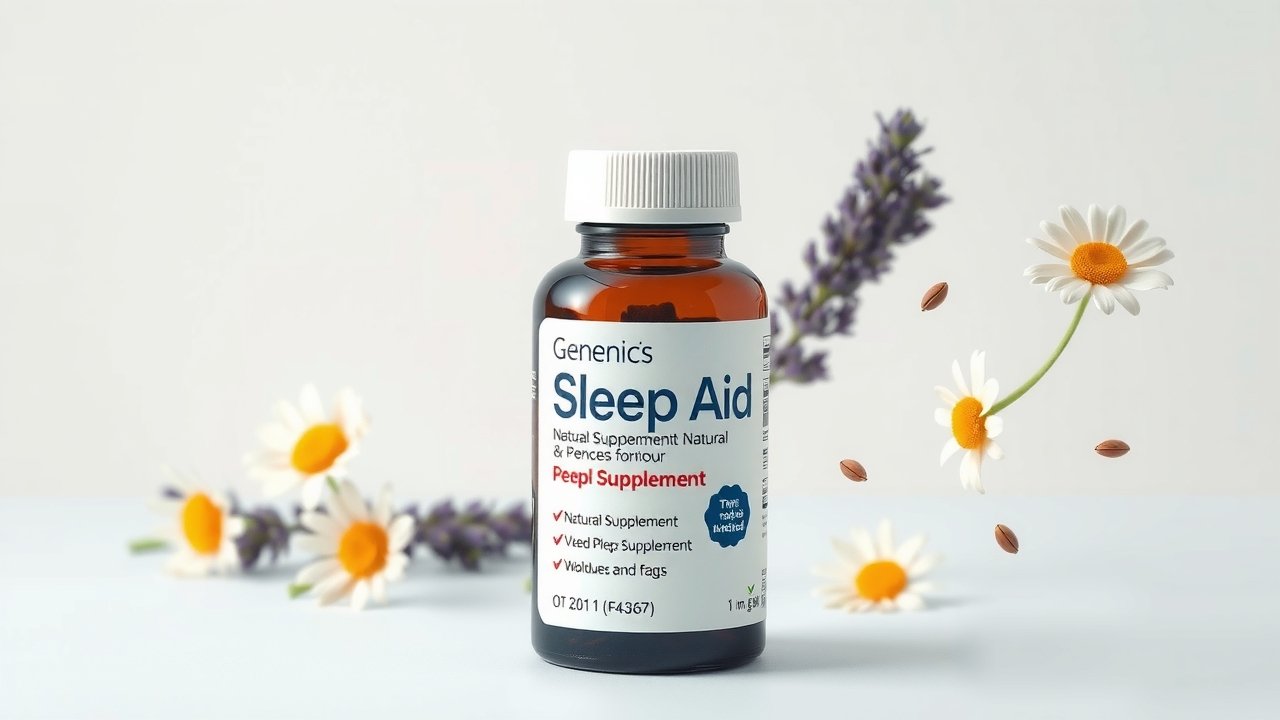
While mindfulness meditation is a powerful tool in itself, some high-quality supplements and support products can complement your practice and accelerate your journey to better sleep and recovery, especially when anxiety is a significant factor. We’ve researched and selected products that align with the goals of natural stress reduction and sleep enhancement.
-
YU Sleep: Tailored specifically as a natural sleep aid, YU Sleep can be an excellent addition for those whose anxiety primarily manifests as difficulty falling or staying asleep. It’s formulated to support the body’s natural sleep processes without harsh chemicals, helping you ease into a state of restfulness. Many users report feeling more relaxed before bed, leading to a smoother transition into restorative sleep. Check today’s best deal on YU Sleep.
-
SleepLean: This product recognizes the intricate connection between sleep quality and overall physical health, including metabolism and energy levels. If your anxiety-induced sleep issues are also impacting your daytime vitality or contributing to other health concerns, SleepLean offers a dual approach. By supporting deeper sleep, it aids your body’s natural recovery processes and can indirectly help manage the stress that often influences weight and energy. Learn more about SleepLean for comprehensive sleep and recovery support.
-
ArcticBlast: While primarily recommended for pain relief and flexibility, ArcticBlast is also effective in managing stress-related physical tension, which often accompanies anxiety and disrupts sleep. Muscle tension can prevent full relaxation, making it harder to unwind. By easing physical discomfort, ArcticBlast can support your body’s readiness for sleep and improve overall comfort during your mindfulness practice, enhancing your ability to achieve a state of calm. Many individuals find that reducing physical aches directly helps quiet a restless mind. See full details on how ArcticBlast can aid your recovery.
Remember, supplements are designed to support a healthy lifestyle, not replace it. Integrate them mindfully alongside your meditation practice and consult with a healthcare professional before starting any new supplement regimen.
Actionable Tips: How to Practice Mindfulness for Better Sleep & Anxiety Relief
Integrating mindfulness meditation into your daily routine doesn’t require hours of dedicated practice. Even short, consistent sessions can yield profound results. Here’s a step-by-step guide to get you started, focusing on easing anxiety and improving sleep.
1. Start with Mindful Breathing (5-10 minutes daily)
This is the foundation of any mindfulness practice. Find a quiet spot where you won’t be disturbed. Sit comfortably with a straight spine. Close your eyes or soften your gaze.
- Focus on your breath: Notice the sensation of the air entering and leaving your nostrils, or the rise and fall of your abdomen.
- Observe without judgment: Your mind will wander – that’s natural. When it does, gently acknowledge the thought and return your attention to your breath. Don’t get frustrated; simply redirect your focus.
- Deepen your breath: As you become more comfortable, try to make your exhales slightly longer than your inhales. This signals to your nervous system that it’s safe to relax.
This practice helps anchor you to the present moment, detaching you from anxious thoughts.
2. Body Scan Meditation (10-20 minutes, especially before bed)
The body scan is excellent for releasing physical tension, a common companion to anxiety, and preparing for sleep.
- Lie down comfortably: On your back, with your arms at your sides, palms up.
- Bring attention to your body: Start with your toes. Notice any sensations – tingling, warmth, coolness, tension. Breathe into that area, imagining your breath softening and releasing any tension.
- Slowly move up your body: Progress through your feet, ankles, calves, knees, thighs, hips, abdomen, lower back, upper back, chest, fingertips, hands, forearms, upper arms, shoulders, neck, jaw, face, and finally the top of your head.
- Release tension: With each area, acknowledge sensations without judgment and consciously relax the muscles. If your mind wanders, gently bring it back to the part of the body you’re focusing on.
This practice helps you become deeply aware of your physical state and release stored stress.
3. Mindful Moments Throughout Your Day
You don’t need a formal meditation session to practice mindfulness. Integrate it into everyday activities:
- Mindful Eating: Pay full attention to the taste, texture, and smell of your food. Chew slowly, savoring each bite.
- Mindful Walking: Notice the sensation of your feet on the ground, the swing of your arms, the sights and sounds around you.
- Mindful Tasks: Whether doing dishes or showering, focus entirely on the sensations, sounds, and actions involved.
These mini-meditations help break patterns of automatic, anxious thinking and keep you grounded.
4. Establish a Consistent Routine
Consistency is key. Try to meditate at the same time each day, even if it’s just for 5 minutes. Many find morning or pre-bedtime sessions most beneficial for anxiety and sleep.
For additional support in managing stress and improving overall calm, consider exploring our extensive resource on The Ultimate Guide to Stress Management Techniques: Find Your Calm, which complements mindfulness perfectly.
Common Mistakes to Avoid in Your Mindfulness Practice
While mindfulness meditation for anxiety and sleep is accessible, it’s easy to fall into certain traps that can hinder your progress. Being aware of these common mistakes can help you navigate your practice more effectively.
- Expecting Immediate Perfection: Many beginners anticipate instantly clearing their minds or achieving profound calm in their first few sessions. Mindfulness is a practice, a skill developed over time. Don’t get discouraged if your mind is busy; simply acknowledge it and continue.
- Judging Your Thoughts: The core of mindfulness is non-judgmental awareness. When an anxious thought arises, the mistake is to criticize yourself for having it or to try to force it away. Instead, simply observe it like a cloud passing in the sky.
- Trying Too Hard to Relax: This might sound counterintuitive, but “trying” to relax often creates more tension. Mindfulness is about allowing relaxation to happen naturally as you bring gentle attention to the present moment, rather than aggressively pursuing a state of calm.
- Inconsistent Practice: Treating meditation as a one-off cure rather than a consistent habit is a major hurdle. Even short, daily sessions are far more effective than sporadic long ones. Build it into your routine, even if it’s just 5 minutes a day.
- Comparing Your Experience: Everyone’s meditation journey is unique. Comparing your progress or experiences to others (or even to an idealized version of yourself) can lead to frustration. Focus on your own present moment experience and growth.
- Neglecting Post-Meditation Awareness: The benefits of mindfulness extend beyond your sitting practice. Forgetting to carry that mindful awareness into your daily activities (e.g., mindful eating, mindful walking) means missing opportunities to reinforce calm and reduce anxiety throughout your day.
By sidestepping these common pitfalls, you can cultivate a more sustainable and rewarding mindfulness practice that genuinely reduces anxiety and enhances your sleep and recovery.
Real Experiences & Transformative Results
The power of mindfulness meditation for anxiety and its impact on sleep and recovery is regularly echoed in countless personal stories and observational studies. Individuals from all walks of life report profound shifts in their ability to cope with stress, experience restful nights, and feel more resilient during their waking hours.
For example, many who struggled for years with racing thoughts at bedtime have found that a consistent 10-minute mindful breathing exercise before turning in significantly reduces the time it takes to fall asleep. They describe a greater sense of peace and a noticeable reduction in nighttime awakenings, leading to mornings where they feel genuinely refreshed rather than still battling mental fatigue.
Professionals in high-stress environments often share how integrating short mindfulness breaks throughout their workday helps them manage anxiety spikes. Instead of feeling overwhelmed by deadlines and pressures, they learn to pause, observe their stress response, and return to their tasks with renewed focus and composure. This enhanced mental recovery during the day prevents anxiety from accumulating and spilling over into their evenings.
Even those with chronic anxiety disorders report that while mindfulness isn’t a “cure,” it provides invaluable tools for managing symptoms. They speak of developing a greater “space” between themselves and their anxious thoughts, allowing them to choose a response rather than being swept away. This newfound sense of control positively impacts their overall well-being and, crucially, their capacity for deep, restorative sleep.
The consistent theme across these experiences is not about eliminating anxiety entirely, but about cultivating a healthier, more skillful relationship with it. This shift, in turn, creates fertile ground for natural sleep and a more complete, holistic recovery for both mind and body. Consider how positive environmental factors, like embracing nature, can further enhance your sleep and recovery, as discussed in How nature therapy effects can improve your Sleep & Recovery.
Conclusion & Your Path to Lasting Calm
Mindfulness meditation for anxiety offers a deeply effective and scientifically supported pathway to better sleep and enhanced recovery. It’s not a quick fix but a transformative practice that empowers you to change your relationship with stress, quiet a restless mind, and cultivate a profound sense of inner calm. By dedicating even a few minutes each day to mindful awareness, you begin to rewire your brain, reduce cortisol, and optimize your body’s natural ability to rest and heal.
This guide has provided you with the understanding, techniques, and resources to embark on this journey. Remember that consistency, patience, and a non-judgmental attitude are your greatest allies. Embrace the practice, observe your experiences, and allow the benefits to unfold naturally. Your path to deeper peace, restorative sleep, and a more resilient self begins with a single mindful breath.
Take the first step today. Explore the actionable tips, consider integrating supportive products like YU Sleep or SleepLean if they align with your needs, and commit to nurturing your mind and body through the power of mindfulness. You deserve to experience the profound benefits of a calm mind and truly restorative rest.

FAQs About Mindfulness Meditation for Anxiety & Sleep
Q1: How long does it take for mindfulness meditation to reduce anxiety and improve sleep?
A: While some individuals report feeling calmer after just a few sessions, significant and lasting changes typically emerge with consistent practice over several weeks or months. Research often points to benefits appearing within 8 weeks of regular daily meditation. Consistency (even short sessions) is more important than duration.
Q2: Do I need special equipment or a quiet space to practice mindfulness meditation?
A: No special equipment is needed. A comfortable cushion or chair can enhance your experience, but isn’t mandatory. While a quiet space is ideal for beginners to minimize distractions, the beauty of mindfulness is that it can be practiced anywhere, even amidst daily noise, by simply bringing non-judgmental attention to the present moment. You can start with guided meditations available online.
Q3: Can mindfulness meditation completely cure anxiety or replace medication?
A: Mindfulness meditation is a powerful tool for managing anxiety symptoms and improving emotional resilience, but it is not a cure for all types of anxiety disorders, nor should it be considered a replacement for prescribed medication or professional therapy. For severe or persistent anxiety, it’s crucial to consult with a healthcare professional or mental health expert. Mindfulness can be a highly effective complementary practice within a broader treatment plan.
Affiliate Disclosure: This article contains affiliate links. If you purchase through these links, we may earn a small commission—at no extra cost to you. We only recommend products we believe in and have thoroughly researched.





Be First to Comment