
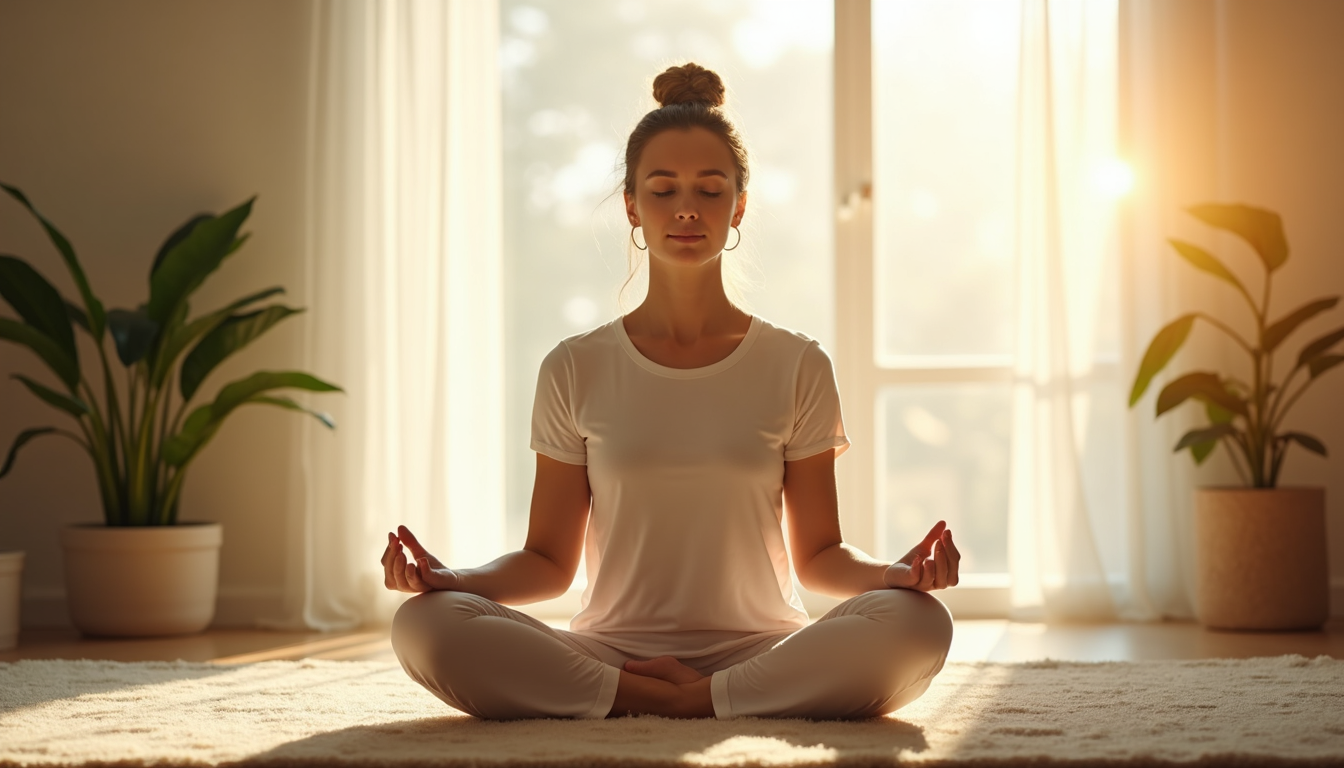
In our fast-paced world, anxiety has become an increasingly common challenge, affecting millions and impacting daily life. When your mind races, your heart pounds, and a sense of unease lingers, finding a path to calm can feel overwhelming. But what if you could tap into a powerful toolkit of strategies designed to soothe your nervous system and restore your inner peace? This comprehensive guide is dedicated to exploring effective relaxation techniques for anxiety, offering you actionable steps to manage stress, alleviate worry, and cultivate a greater sense of well-being.
Whether you’re new to the world of mindfulness or seeking to deepen your existing practice, we’ll walk you through expert-backed methods, explain the science behind their efficacy, and provide practical tips for integrating them into your routine. From simple breathing exercises to profound meditative practices, you’ll discover how to empower yourself against the grip of anxiety and embrace a calmer, more resilient you. Dive in to learn how to transform your daily experience and find your sanctuary within.
Table of Contents
- Why Relaxation Techniques for Anxiety Matter
- The Science Behind Effective Relaxation for Anxiety
- Exploring Key Relaxation Techniques
- Top Recommended Products for Anxiety & Relaxation
- Integrating Relaxation Techniques into Your Daily Life
- Common Mistakes to Avoid When Practicing Relaxation
- When to Seek Professional Help for Anxiety
- Real Experiences & The Journey to Calm
- Conclusion & Your Path to Inner Peace
- FAQs About Relaxation Techniques for Anxiety
- The Ultimate Guide to Stress Management Techniques: Find Your Calm
- The Ultimate Guide to Deep Breathing Exercises for Calm & Health
- The Ultimate Guide to Your Wellness Retreat: Planning, Benefits & Products
Why Relaxation Techniques for Anxiety Matter
Anxiety isn’t just a feeling; it’s a complex response involving your mind and body. When you experience anxiety, your sympathetic nervous system kicks into high gear, triggering the “fight or flight” response. This evolutionary mechanism, while crucial for immediate danger, can become overactive in modern life, leading to chronic stress, racing thoughts, muscle tension, and disrupted sleep. This is where relaxation techniques for anxiety become indispensable tools for self-regulation and well-being.
Learning and applying relaxation techniques offers a proactive way to counteract the physiological effects of anxiety. They help you shift from a state of heightened arousal to one of calm and rest, engaging your parasympathetic nervous system. This intentional shift can lead to numerous benefits:
- Reduced Physical Symptoms: Alleviates muscle tension, lowers heart rate and blood pressure, and promotes deeper breathing.
- Mental Clarity: Quiets racing thoughts, improves focus, and enhances problem-solving abilities.
- Emotional Regulation: Helps you respond to stressors more calmly and with greater emotional resilience.
- Improved Sleep Quality: Calms the mind and body, making it easier to fall asleep and stay asleep.
- Enhanced Overall Well-being: Fosters a greater sense of peace, happiness, and control over your life.
In essence, effective relaxation techniques for anxiety provide a powerful pathway to regaining control over your body’s stress response. They teach your system how to return to a state of balance, even amidst life’s challenges.
The Science Behind Effective Relaxation for Anxiety
Understanding how relaxation techniques work on a biological level can empower your practice. When you’re anxious, your body releases stress hormones like cortisol and adrenaline, preparing you for a perceived threat. This can lead to increased heart rate, rapid shallow breathing, muscle tension, and heightened vigilance.
Relaxation techniques actively engage the parasympathetic nervous system, often called the “rest and digest” system. This system works in opposition to the sympathetic nervous system, helping to bring the body back to a state of equilibrium. Here’s how it works:
- Vagus Nerve Stimulation: Many relaxation techniques, particularly deep breathing and meditation, stimulate the vagus nerve. This nerve is a crucial component of the parasympathetic system, running from the brainstem to the abdomen. Activating it sends signals throughout the body to slow heart rate, reduce inflammation, and promote a sense of calm.
- Neurotransmitter Balance: Regular relaxation can influence the production of neurotransmitters. For instance, it can increase levels of gamma-aminobutyric acid (GABA), a calming neurotransmitter, and serotonin, which contributes to feelings of well-being. It can also help reduce the release of stress hormones like cortisol.
- Brainwave Activity: Practices like meditation have been shown to shift brainwave patterns from high-frequency beta waves (associated with alertness and anxiety) to lower-frequency alpha and theta waves, which are linked to states of relaxation, creativity, and deeper consciousness.
- Muscle Relaxation: Techniques like Progressive Muscle Relaxation directly address physical tension, teaching your body to consciously release the tightness that often accompanies anxiety. This physical release sends a feedback loop to the brain, signaling that the “threat” has passed and it’s safe to relax.
Research suggests that consistent practice of these techniques can even lead to structural changes in the brain, such as increased gray matter in areas associated with emotion regulation and self-awareness, like the prefrontal cortex and hippocampus, and decreased amygdala activity (the brain’s fear center). This demonstrates that relaxation isn’t just a temporary fix but a powerful tool for long-term neural reprogramming and resilience against anxiety.
Exploring Key Relaxation Techniques
There’s a wide array of relaxation techniques for anxiety, each offering unique benefits. Experiment with different methods to find what resonates best with you and your specific needs.
1. Deep Breathing Exercises
Often the cornerstone of relaxation, deep breathing (diaphragmatic or belly breathing) can quickly calm the nervous system. It’s simple, portable, and incredibly effective.
How to Practice:
- Find a comfortable position, sitting or lying down.
- Place one hand on your chest and the other on your abdomen, just below your rib cage.
- Inhale slowly and deeply through your nose for a count of four, feeling your abdomen rise. Your chest should remain relatively still.
- Hold your breath for a count of four.
- Exhale slowly through pursed lips for a count of six, feeling your abdomen fall.
- Repeat for 5-10 minutes, focusing on the rhythm of your breath.
For more detailed guidance, consider exploring The Ultimate Guide to Deep Breathing Exercises for Calm & Health.
2. Progressive Muscle Relaxation (PMR)
PMR involves tensing and then relaxing different muscle groups throughout the body. This practice helps you become more aware of physical tension and how to release it.
How to Practice:
- Lie down or sit comfortably in a quiet space.
- Start with your feet: Tense the muscles in your feet tightly for 5-10 seconds. Notice the sensation of tension.
- Completely relax your feet, letting the tension melt away. Notice the feeling of release for 20-30 seconds.
- Move up your body, systematically tensing and relaxing each muscle group (calves, thighs, glutes, abdomen, chest, arms, hands, neck, face).
- Pay close attention to the contrast between tension and relaxation.
3. Mindfulness Meditation
Mindfulness involves focusing on the present moment without judgment. It trains your mind to observe thoughts and feelings without getting carried away by them, reducing the grip of anxious rumination.
How to Practice:
- Sit comfortably with a straight back, feet flat on the floor, or lie down.
- Gently close your eyes or soften your gaze.
- Bring your attention to your breath, noticing the sensation of air entering and leaving your body.
- When your mind wanders (and it will!), gently redirect your attention back to your breath without self-criticism.
- Start with 5-10 minutes daily and gradually increase.
4. Guided Imagery & Visualization
This technique involves using your imagination to create a vivid mental escape to a peaceful, calming place or scenario. It can be incredibly effective for diverting attention from anxious thoughts.
How to Practice:
- Find a quiet, comfortable space.
- Close your eyes and take a few deep breaths.
- Imagine a peaceful scene – a serene beach, a tranquil forest, a cozy cabin.
- Engage all your senses: What do you see, hear, smell, feel, and even taste in this imaginary place? Focus on the details.
- Allow yourself to fully immerse in the feelings of calm and safety this scene evokes.
- You can find many guided imagery recordings online or create your own script.
5. Yoga & Gentle Movement
Yoga combines physical postures, breathing exercises, and meditation. It’s a holistic practice that improves flexibility, strengthens the body, and calms the mind, making it a powerful tool for managing anxiety.
How to Practice:
- Start with gentle forms of yoga like Hatha, Restorative, or Yin yoga, which emphasize slower movements, longer holds, and deep relaxation.
- Focus on syncing your breath with your movements.
- Many online resources and local studios offer beginner-friendly classes.
6. Aromatherapy
Certain essential oils have calming properties that can complement other relaxation techniques. Lavender, chamomile, frankincense, and bergamot are popular choices known for their anxiolytic effects.
How to Practice:
- Use an essential oil diffuser in your home or office.
- Add a few drops to a warm bath (diluted with a carrier oil).
- Apply diluted oil to pulse points (wrists, temples) or the soles of your feet.
7. Nature Therapy (Ecotherapy)
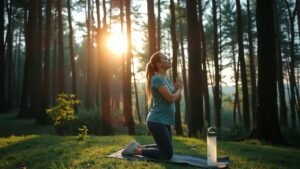
Spending time in nature has profound calming effects, often referred to as “forest bathing” or ecotherapy. The sights, sounds, and smells of nature can lower stress hormones and improve mood.
How to Practice:
- Take regular walks in a park, forest, or by the water.
- Engage your senses: notice the colors, listen to birdsong, feel the breeze, smell the earth.
- Even sitting quietly in your garden or by a window with a view of nature can be beneficial.
Top Recommended Products for Anxiety & Relaxation
While the techniques above are powerful on their own, certain products can support and enhance your journey to greater calm and anxiety management. We’ve curated a selection of highly-regarded options that align with holistic wellness principles.
1. YU Sleep
Anxiety often sabotages restful sleep, creating a vicious cycle that exacerbates stress. YU Sleep is a natural sleep aid designed to help you fall asleep faster and achieve deeper, more restorative rest. By promoting relaxation and addressing common sleep disruptors, it supports your body’s natural ability to unwind. Many users report waking up feeling refreshed and less burdened by the anxieties of the day. If sleep deprivation is a significant part of your anxiety struggle, a natural supplement like YU Sleep can be a valuable addition to your routine. Learn more about YU Sleep here.
2. ArcticBlast
Anxiety frequently manifests as physical tension, particularly in the neck, shoulders, and back. ArcticBlast is an innovative pain relief formula designed to soothe discomfort and promote flexibility. By easing physical aches and stiffness, it can indirectly support your ability to relax more deeply. Reviewers often highlight its effectiveness in managing the kind of chronic tension that can be aggravated by stress. For those whose anxiety is accompanied by persistent physical tightness, incorporating a targeted solution like ArcticBlast can help create a more comfortable foundation for relaxation practices. Check today’s best deal on ArcticBlast.
3. SleepLean
The connection between sleep quality, stress, and overall well-being is undeniable. SleepLean is formulated to optimize sleep, which in turn can significantly impact how your body and mind handle stress and anxiety. Beyond just sleep, it also addresses metabolic health, recognizing that a balanced body contributes to a calmer mind. Users appreciate its high-quality ingredients aimed at creating a more stable internal environment, fostering better rest and reduced daytime anxiety. If you’re looking for a comprehensive solution that links sleep, metabolism, and stress resilience, SleepLean offers a unique approach. See full details on SleepLean here.
Integrating Relaxation Techniques into Your Daily Life
The true power of relaxation techniques for anxiety lies in their consistent application. It’s not about achieving a perfect state of calm instantly, but about building habits that support your nervous system over time. Here’s how to effectively weave these practices into your busy life:
- Start Small and Be Consistent: You don’t need hours. Begin with 5-10 minutes a day. A short, consistent practice is more beneficial than an occasional long one. Morning is often ideal for setting a calm tone, or evening to unwind.
- Schedule Your “Calm Time”: Just like you schedule meetings or appointments, schedule dedicated time for your relaxation practice. Put it in your calendar. This signals its importance to yourself.
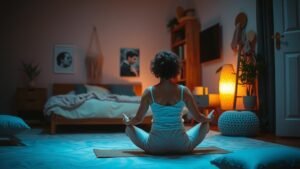
- Create a Sacred Space: Designate a quiet, comfortable corner in your home for relaxation. It doesn’t need to be elaborate; just a space where you feel safe and unbothered.
- Stack Habits: Pair your relaxation practice with an existing daily habit. For example, do a 5-minute deep breathing exercise immediately after brushing your teeth, or listen to a guided meditation while drinking your morning tea.
- Use Micro-Moments: Integrate quick relaxation breaks throughout your day. Take three deep breaths before responding to an email, pause for a moment of mindfulness while waiting in line, or do a quick body scan to release tension during a coffee break.
- Keep a Journal: Note down your experiences. How did you feel before and after a session? What techniques worked best? Journaling can help you identify patterns and reinforce positive outcomes.
- Embrace Technology (Mindfully): Use meditation apps, calming music, or white noise generators to aid your practice. However, avoid letting technology become a distraction; use it as a tool.
- Be Patient and Kind to Yourself: There will be days when your mind wanders, and you feel frustrated. That’s perfectly normal. Approach your practice with self-compassion, knowing that every effort contributes to your long-term well-being. It’s a journey, not a destination.
By making relaxation a non-negotiable part of your daily rhythm, you’ll gradually build resilience, reduce your baseline anxiety, and develop a more peaceful relationship with yourself and the world around you. Remember, even a small commitment to self-care can yield profound results.
Common Mistakes to Avoid When Practicing Relaxation Techniques
While relaxation techniques are generally safe and beneficial, certain pitfalls can hinder your progress or lead to frustration. Being aware of these common mistakes can help you refine your practice and achieve better results:
- Expecting Instant Results: Relaxation is a skill, not a magic bullet. It takes time and consistent practice to retrain your nervous system. Don’t get discouraged if you don’t feel completely calm after your first few attempts.
- Judging Your Thoughts: During meditation or mindfulness, your mind will wander. The mistake isn’t having thoughts, but judging them or getting angry at yourself for them. Simply acknowledge the thought and gently bring your attention back to your anchor (e.g., breath).
- Trying Too Hard: Relaxation is about letting go, not forcing. If you strain to relax, you’re creating more tension. Approach your practice with a sense of gentle curiosity and acceptance.
- Inconsistent Practice: Sporadic practice yields sporadic results. Consistency is key. Even short, daily sessions are more effective than infrequent long ones.
- Ignoring Physical Discomfort: If you’re physically uncomfortable (e.g., cold, awkward posture), it will be difficult to relax. Ensure your environment and position are as conducive to comfort as possible.
- Using It Only in Crisis: While relaxation techniques can help during moments of high anxiety, they are far more effective as a preventative and ongoing practice. Integrate them into your routine daily, not just when you’re overwhelmed.
- Over-Reliance on External Tools: While apps and guided meditations are great, ensure you’re also developing the internal skill of relaxation. The goal is to be able to tap into calm even without external aids.
- Not Experimenting Enough: What works for one person might not work for another. If one technique isn’t clicking, try another. There are many paths to relaxation.
By avoiding these common errors, you can cultivate a more effective and sustainable relaxation practice, paving the way for lasting peace and reduced anxiety.
When to Seek Professional Help for Anxiety
While relaxation techniques for anxiety are incredibly powerful tools for self-management and can significantly improve quality of life, it’s crucial to understand their role within a broader mental health strategy. Relaxation practices are excellent complementary therapies, but they are not always a substitute for professional medical or psychological support.
You should consider seeking professional help if:
- Your anxiety is debilitating: If anxiety interferes with your daily functioning at work, school, or in relationships, making it difficult to perform routine tasks.
- Symptoms are persistent: If your anxiety symptoms (e.g., excessive worry, panic attacks, physical tension, sleep problems) last for several weeks or months, or seem to be getting worse.
- Relaxation techniques aren’t enough: If despite consistent practice of relaxation techniques, you still feel overwhelmed or unable to cope.
- You experience panic attacks: If you frequently have sudden, intense episodes of fear accompanied by physical symptoms like heart palpitations, shortness of breath, or dizziness.
- You are using unhealthy coping mechanisms: If you find yourself turning to alcohol, drugs, or other destructive behaviors to manage your anxiety.
- You have thoughts of self-harm: If you ever have thoughts of harming yourself, seek immediate professional help.
A mental health professional (such as a therapist, psychiatrist, or counselor) can provide a diagnosis, develop a personalized treatment plan, and offer evidence-based therapies like Cognitive Behavioral Therapy (CBT) or Exposure Therapy, which are highly effective for various anxiety disorders. Combining professional guidance with your relaxation practices often leads to the most comprehensive and lasting relief.
Real Experiences & The Journey to Calm
The journey to managing anxiety with relaxation techniques is often deeply personal, yet many share common breakthroughs and challenges. From students overwhelmed by academic pressure to professionals navigating demanding careers, countless individuals have found solace and strength in these practices.
Many users report starting with simple deep breathing, almost out of desperation, and finding it a surprising anchor in moments of panic. “I used to feel my heart race before every presentation,” shares one professional, “but just focusing on my breath for a minute beforehand made a noticeable difference. It didn’t make the nerves disappear entirely, but it made them manageable.”
Others find profound benefits in consistent mindfulness. “Meditation has changed how I react to stress,” explains a parent. “Instead of getting caught in a spiral of worry, I can observe my thoughts and let them pass, rather than getting swept away.” This shift from reaction to observation is a common theme among long-term practitioners.
Even for those dealing with chronic conditions exacerbated by stress, targeted approaches can make a difference. Individuals struggling with joint pain or muscle stiffness often find that incorporating gentle yoga alongside physical relief aids like ArcticBlast helps them manage both physical discomfort and the associated anxiety, creating a more holistic sense of ease.
The key takeaway from countless personal stories is that progress isn’t linear. There are good days and challenging days. But with patience, persistence, and a willingness to explore different relaxation techniques for anxiety, the capacity for inner calm truly grows, transforming reactions into resilience and allowing for a more engaged and peaceful life.
Conclusion & Your Path to Inner Peace
Navigating the complexities of anxiety can feel like an uphill battle, but you are not without powerful tools. This ultimate guide has illuminated the profound benefits and actionable steps involved in mastering relaxation techniques for anxiety. From the instant calming power of deep breathing to the transformative clarity of mindfulness and the physical release of progressive muscle relaxation, a diverse toolkit awaits your exploration.
Remember that consistent practice, even in small doses, is the cornerstone of lasting change. By consciously engaging your body’s natural capacity for rest and repair, you can rewire your nervous system, reduce the physical and mental symptoms of anxiety, and cultivate a deeper, more enduring sense of peace. Integrate these techniques into your daily rhythm, be patient with yourself, and embrace the journey.
Whether you choose to enhance your sleep with natural supplements like YU Sleep or address physical tension with ArcticBlast, remember that these products are designed to support your holistic well-being, not replace your commitment to personal practice. Your inner calm is not a distant dream but an achievable reality, waiting to be nurtured through the power of intentional relaxation.
Start today. Choose one technique, commit to practicing it for just a few minutes, and take the first step on your empowering path to a calmer, more resilient you. Your well-being is worth it.
FAQs About Relaxation Techniques for Anxiety
Q1: How quickly can I expect relaxation techniques to work for anxiety?
A: The immediate effects, such as a lowered heart rate or sense of calm, can often be felt within minutes of practicing techniques like deep breathing. However, for significant, lasting reduction in overall anxiety levels, consistent daily practice over several weeks to months is typically needed. Think of it like building a muscle – regular training yields stronger results.
Q2: Are relaxation techniques a substitute for medication or therapy for severe anxiety?
A: For mild to moderate anxiety, relaxation techniques can be highly effective as a primary coping strategy. However, for severe anxiety, anxiety disorders, or panic disorder, they are best used as a complementary approach alongside professional therapy (like CBT) and, if recommended by a doctor, medication. Always consult a healthcare professional to determine the best course of action for your specific situation.
Q3: Can children and teenagers use these relaxation techniques?
A: Absolutely! Many relaxation techniques, especially deep breathing, guided imagery, and simple mindfulness exercises, can be adapted for children and teenagers. In fact, teaching these skills early can equip them with valuable tools for managing stress and emotions throughout their lives. Look for age-appropriate resources and guidance.
Q4: What if I struggle to relax or my mind keeps wandering during practice?
A: This is a very common experience and entirely normal! The goal isn’t to stop thoughts, but to observe them without judgment and gently redirect your attention back to your chosen focus (like your breath). Don’t get discouraged; every time you notice your mind wandering and bring it back, you’re strengthening your “attention muscle.” Consistency and self-compassion are key. Experiment with different techniques or guided meditations until you find what feels right.
Affiliate Disclosure: This article contains affiliate links. If you purchase through these links, we may earn a small commission—at no extra cost to you. We only recommend products we believe in and have thoroughly researched.



Be First to Comment