
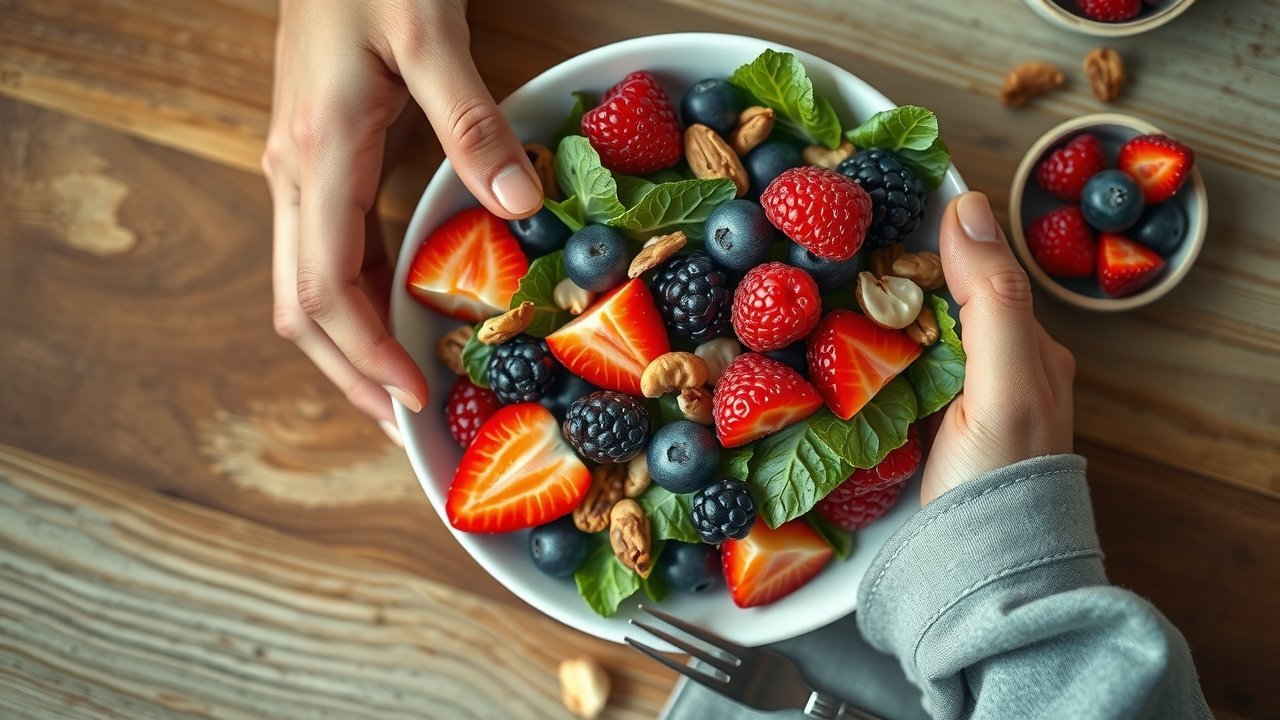
Achieving truly radiant skin isn’t just about what you put on it; it’s profoundly influenced by what you put into your body. Many people chase external remedies for skin concerns, from expensive serums to complex routines, only to overlook the foundational role of nutrition. The truth is, your skin is a direct reflection of your internal health, and cultivating healthy eating habits for glowing skin is one of the most effective, sustainable, and natural paths to a luminous complexion.
From fighting inflammation and boosting collagen to ensuring adequate hydration and protecting against environmental damage, the foods you consume provide the essential building blocks and protective compounds your skin needs to thrive. In this comprehensive guide, we’ll dive deep into the symbiotic relationship between diet and dermal health, unveiling the specific nutrients, foods, and eating patterns that can transform your skin from the inside out. Prepare to discover how conscious food choices can unlock a vibrant, healthy glow that radiates confidence.
Table of Contents
- Why Healthy Eating Habits for Glowing Skin Matters
- The Science Behind Healthy Eating Habits for Glowing Skin
- Top Recommended Products for Skin Wellness
- Actionable Tips for a Radiant Complexion
- Common Mistakes to Avoid for Skin Health
- Real Experiences & Results from Nutritional Skin Care
- Conclusion & Next Steps
- FAQs About Healthy Eating Habits for Glowing Skin
Why Healthy Eating Habits for Glowing Skin Matters
Adopting healthy eating habits for glowing skin is paramount because your skin is your body’s largest organ, constantly regenerating and facing environmental stressors. What you eat directly fuels these processes. Essential vitamins, minerals, antioxidants, and healthy fats from your diet protect skin cells from damage, promote collagen production, enhance elasticity, and maintain a crucial moisture barrier. Without proper nutrition, your skin can become dull, prone to breakouts, prematurely aged, and lose its natural vibrancy. It’s an internal investment that yields visible, long-lasting external benefits, making it an indispensable component of any effective skincare regimen.
The Science Behind Healthy Eating Habits for Glowing Skin
The intricate connection between nutrition and skin health is rooted deeply in biochemistry and cellular biology. When you adopt healthy eating habits for glowing skin, you’re not just nourishing your body; you’re directly impacting your dermatological wellness. Your skin, as a complex organ, demands a consistent supply of specific nutrients to perform its barrier function, regenerate cells, and maintain its youthful vitality.
A diet rich in antioxidants, for instance, sourced from colorful fruits and vegetables, helps combat oxidative stress caused by free radicals—unstable molecules that damage skin cells and accelerate aging. These antioxidants, like vitamins C and E, beta-carotene, and selenium, neutralize free radicals, protecting collagen and elastin fibers from degradation. This protective shield helps maintain skin structure and firmness, reducing the appearance of fine lines and wrinkles. Moreover, a balanced diet supports your inner glow by fostering optimal gut health, which researchers increasingly link to clear and radiant skin. The gut-skin axis highlights how a healthy microbiome can reduce systemic inflammation, a common trigger for conditions like acne, rosacea, and eczema. Incorporating probiotics and prebiotics through fermented foods and fiber-rich produce can significantly enhance the skin’s overall appearance and resilience. This comprehensive approach to complexion-enhancing nutrition extends beyond mere aesthetics, contributing to your skin’s long-term health and functional integrity.
Key nutritional components play specific roles:
- Vitamin C: A powerful antioxidant vital for collagen synthesis, giving skin its strength and elasticity. Found in citrus fruits, bell peppers, and strawberries.
- Vitamin E: Another potent antioxidant that protects skin from UV damage and supports cell membrane integrity. Abundant in nuts, seeds, and leafy greens.
- Omega-3 Fatty Acids: Crucial for maintaining the skin’s lipid barrier, locking in moisture, and reducing inflammation. Rich sources include fatty fish (salmon, mackerel), flaxseeds, and walnuts.
- Zinc: Essential for wound healing, anti-inflammatory processes, and regulating oil production. Found in nuts, seeds, legumes, and lean meats.
- Beta-Carotene (Vitamin A precursor): Converts to vitamin A in the body, which aids in skin cell turnover and protects against sun damage. Carrots, sweet potatoes, and spinach are excellent sources.
- Water: Non-negotiable for hydration, plumping skin cells, and aiding in nutrient delivery and waste removal.
By understanding these scientific mechanisms, it becomes clear that a thoughtful dietary approach is not merely a “nice-to-have” but a fundamental pillar for achieving and maintaining beautiful, healthy skin.
Top Recommended Products for Skin Wellness
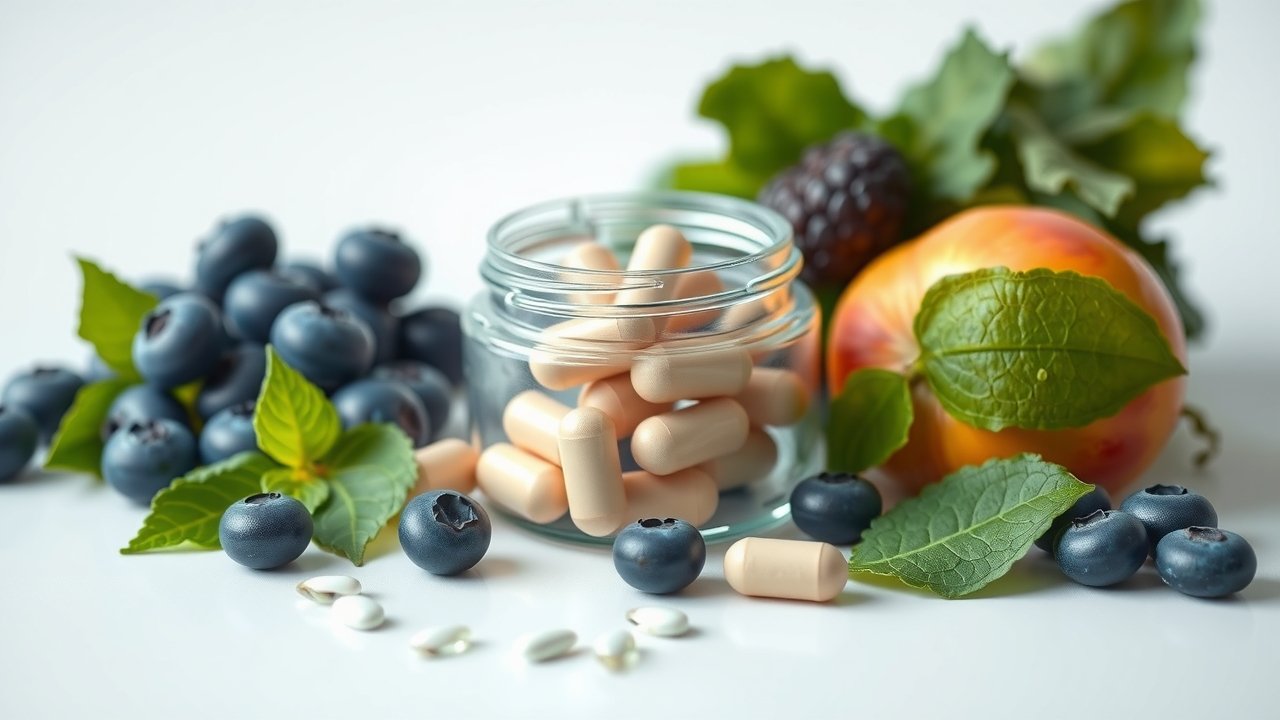
While a whole-food diet is the cornerstone of great skin, strategic supplementation can bridge nutritional gaps and provide targeted support for a truly radiant complexion. Here are a few expert-selected products that align perfectly with the principles of nourishing your skin from within:
1. PrimeBiome: Support Your Gut, Transform Your Skin
The gut-skin axis is a powerful connection: a healthy gut microbiome often translates to healthy, clear skin. PrimeBiome is a highly-rated probiotic supplement designed to optimize your gut flora. By promoting a balanced digestive system, it helps reduce systemic inflammation that can manifest as skin issues like acne, rosacea, and general dullness. Many users report noticeable improvements in skin clarity, reduced redness, and an overall brighter complexion. It’s an excellent foundational supplement for anyone looking to address skin concerns holistically. Learn more about how healthy eating habits and your Gut Health contribute to your overall well-being.
2. Renew: Detoxify and Rejuvenate for Anti-Aging Benefits
Environmental toxins and metabolic byproducts can take a toll on your skin, accelerating aging and robbing it of its natural glow. Renew offers a unique blend of ingredients aimed at supporting your body’s natural detoxification processes and promoting cellular rejuvenation. Its anti-aging properties work by helping your body clear out cellular debris and supporting the regeneration of healthy cells, which can lead to firmer, smoother, and more youthful-looking skin. Incorporating Renew can be a powerful step in complementing your diet to achieve a visibly revitalized and brighter appearance, reflecting a body that’s optimized from within.
3. BioVanish: Optimize Metabolism for a Balanced Complexion
Metabolic health profoundly impacts skin quality, influencing everything from oil production to collagen integrity. BioVanish is formulated to support a healthy metabolism, which in turn can contribute to more balanced skin. By helping your body process nutrients more efficiently and regulate internal processes, it can indirectly help manage factors that lead to breakouts or uneven skin tone. A well-supported metabolism ensures that your skin cells receive the consistent energy and nutrients they need to repair and renew themselves, fostering a clearer, more even, and vibrant complexion. It aligns perfectly with the goal of fostering tips for balanced eating for overall well-being.
Actionable Tips for a Radiant Complexion
Translating the science of nutrition into daily practice can seem daunting, but these actionable tips make it simple to integrate healthy eating habits for glowing skin into your lifestyle. Consistency is key, so start with small, sustainable changes.
-
Prioritize Whole, Unprocessed Foods
The foundation of skin health lies in consuming foods in their most natural state. Focus on vibrant fruits, leafy greens, lean proteins, and healthy fats. These provide a full spectrum of vitamins, minerals, and antioxidants that packaged foods often lack. Minimize processed snacks, sugary drinks, and refined grains, as they can trigger inflammation and contribute to skin issues.
-
Hydrate, Hydrate, Hydrate
Water is the elixir of life, and especially for your skin. Adequate hydration helps maintain skin elasticity, flushes out toxins, and ensures nutrients are delivered effectively to skin cells. Aim for at least 8 glasses of filtered water daily. You can also boost your water intake through water-rich foods like cucumber, watermelon, and celery.
-
Embrace Antioxidant-Rich Fruits & Vegetables
Think “eat the rainbow.” Berries (blueberries, raspberries), dark leafy greens (spinach, kale), colorful bell peppers, and sweet potatoes are packed with antioxidants like Vitamin C, Vitamin E, and beta-carotene. These compounds protect your skin from oxidative damage caused by pollution and UV rays, preventing premature aging.
-
Include Healthy Fats for Supple Skin
Don’t fear healthy fats; they are crucial for maintaining your skin’s natural oil barrier, keeping it supple and moisturized. Incorporate avocados, nuts (almonds, walnuts), seeds (chia, flax, hemp), and fatty fish (salmon, mackerel) into your diet. The omega-3s in these foods also reduce inflammation, which can soothe irritated skin.
-
Focus on Gut Health
A healthy gut microbiome is intimately linked to clear, calm skin. Incorporate fermented foods like yogurt, kefir, sauerkraut, and kimchi, which are rich in probiotics. Also, include prebiotic-rich foods such as garlic, onions, bananas, and oats to feed your beneficial gut bacteria. A balanced gut can significantly reduce skin inflammation and improve overall complexion. For more, explore our guide on healthy eating habits and your Gut Health.
-
Limit Sugar and Dairy (If Sensitive)
For some individuals, excessive sugar and dairy consumption can exacerbate skin problems like acne. Sugar can lead to advanced glycation end products (AGEs) that damage collagen, while dairy can stimulate hormone production that increases sebum. Consider reducing your intake of these items for a few weeks to see if your skin improves.
-
Mindful Eating and Stress Reduction
Stress impacts skin health significantly. Practicing mindful eating can reduce stress, allowing your body to better digest and absorb nutrients. Take time to savor your meals, chew thoroughly, and minimize distractions. Complement this with other stress-reducing practices like those discussed in how mindfulness techniques can improve your Skin, Hair & Beauty.
Crafting Your Daily Plate for Healthy Eating Habits for Glowing Skin
To put these tips into practice, visualize your plate. Aim for half of it to be filled with colorful non-starchy vegetables, a quarter with lean protein, and a quarter with complex carbohydrates (like quinoa, brown rice, or sweet potato). Add a source of healthy fats, such as a drizzle of olive oil or a few slices of avocado. This balanced approach ensures you get a wide array of nutrients that support vibrant skin health every day.
Common Mistakes to Avoid for Skin Health
Even with the best intentions, certain dietary pitfalls can sabotage your efforts to achieve radiant skin. Being aware of these common mistakes can help you navigate your journey more effectively.
- Mistake 1: Relying on “Quick Fix” Supplements Without Dietary Change
Fix: While supplements like PrimeBiome or Renew can certainly support skin health, they are not a substitute for a balanced, whole-foods diet. Prioritize foundational nutrition first. Think of supplements as enhancers, not replacements. Your body absorbs nutrients most effectively from diverse food sources. - Mistake 2: Eliminating Entire Food Groups Unnecessarily
Fix: Unless you have a diagnosed allergy or severe intolerance, drastically cutting out major food groups (like all dairy or all grains) can lead to nutrient deficiencies. Instead, focus on identifying specific trigger foods through an elimination diet if necessary, and reintroduce foods mindfully. Always consult with a healthcare professional or registered dietitian before making significant dietary changes. - Mistake 3: Over-consuming Inflammatory Foods
Fix: Many people unknowingly consume foods that promote inflammation, which can manifest as acne, redness, and premature aging. Common culprits include excessive sugar, refined carbohydrates, unhealthy trans fats, and certain vegetable oils high in omega-6s. Replace these with anti-inflammatory alternatives: fresh fruits and vegetables, lean proteins, healthy fats like olive oil and avocado, and whole grains. - Mistake 4: Not Drinking Enough Water
Fix: Dehydration is one of the quickest ways to make your skin look dull, tired, and emphasize fine lines. Often, people assume their skin issues are complex when simple dehydration is a major factor. Make a conscious effort to drink water consistently throughout the day, not just when you feel thirsty. Keep a water bottle handy as a visual reminder. - Mistake 5: Expecting Instant Results and Giving Up Too Soon
Fix: Skin cell turnover takes approximately 28 days, and noticeable improvements from dietary changes can take even longer, often 1-3 months. Be patient and consistent. Sustainable results come from sustained effort. Focus on building lifelong healthy eating patterns rather than short-term fixes.
Real Experiences & Results from Nutritional Skin Care
The journey to radiant skin through diet is not a mythical quest; it’s a well-documented path with countless success stories. While individual results vary, the consistent feedback from those who commit to a nutrient-rich diet speaks volumes about its transformative power.
Take Sarah, a 32-year-old marketing professional who struggled with persistent adult acne and a perpetually dull complexion. After years of trying topical treatments with limited success, she decided to overhaul her diet. By cutting down on processed foods, sugary drinks, and dairy, and significantly increasing her intake of fruits, vegetables, and omega-3s, she saw remarkable changes within three months. Her acne dramatically reduced, and her skin developed a clarity and glow she hadn’t experienced since her teens. “It wasn’t overnight, but the change was profound,” she shares. “My skin finally feels nourished, not just treated.”
Similarly, Mark, a 45-year-old who noticed his skin becoming increasingly dry and less elastic, embraced a diet rich in healthy fats, antioxidants, and adequate hydration. He incorporated avocados, nuts, fatty fish, and plenty of water, alongside an increased intake of colorful vegetables. The improvement in his skin’s hydration and elasticity was tangible. “My skin feels plumper, and those fine lines around my eyes seem less noticeable,” Mark reported. “It’s like my whole body got a refresh, and my skin shows it most.”
These experiences underscore a fundamental truth: the body is an integrated system. When you feed it nutrient-dense foods, every organ benefits, and the skin, being the most visible, often shows these improvements first. Experts consistently emphasize that a holistic approach, where diet, hydration, and lifestyle are in harmony, provides the most robust and lasting results for skin health. While supplements like BioVanish can offer support, they work best within the context of these fundamental dietary shifts, helping to optimize the internal environment for external beauty. The results are not just superficial; they reflect true vitality from within, leading to a healthier appearance and a significant boost in self-confidence. You can also incorporate nature therapy effects to support your Skin, Hair & Beauty for a holistic approach.
Conclusion & Next Steps
The pursuit of glowing skin is a holistic journey, one that truly begins from within. As we’ve explored, embracing healthy eating habits for glowing skin is not merely an aesthetic choice, but a profound commitment to your overall health and well-being. By prioritizing nutrient-dense whole foods, staying hydrated, supporting your gut, and avoiding inflammatory triggers, you empower your skin to perform its best, radiating health, vitality, and resilience. This internal nourishment manifests as a luminous complexion that reflects your body’s optimal balance.
Your next steps should focus on gradual, sustainable changes. Start by identifying one or two areas in your current diet where you can make improvements, such as increasing your daily vegetable intake or swapping sugary drinks for water. Consider incorporating a high-quality supplement, like those discussed, to complement your efforts. Remember, consistency over perfection is the key to achieving and maintaining vibrant, healthy skin. Embrace this journey of self-care through nutrition, and watch your skin transform, revealing the natural radiance that lies within.
FAQs About Healthy Eating Habits for Glowing Skin
Q1: How quickly can I expect to see results from changing my diet for my skin?
A: While some people notice subtle improvements in hydration and clarity within a few weeks, more significant changes, such as reduced breakouts or improved texture, typically take 1 to 3 months. This aligns with your skin’s natural cell turnover cycle. Consistency is crucial for seeing lasting benefits.
Q2: Are there any specific foods that are universally bad for all skin types?
A: While there are no foods universally “bad” for everyone’s skin, highly processed foods, excessive sugar, and refined carbohydrates are common culprits that can exacerbate inflammation and contribute to skin issues for many individuals. Dairy and gluten can also be triggers for some. It’s best to observe your own body’s reactions.
Q3: Can supplements truly replace a healthy diet for glowing skin?
A: No, supplements should always complement a healthy diet, not replace it. Whole foods provide a complex synergy of nutrients, fiber, and phytochemicals that supplements cannot fully replicate. Products like PrimeBiome or are designed to fill nutritional gaps and provide targeted support when your diet might fall short, or for specific benefits like gut health or detoxification, but a strong dietary foundation is essential.
Q4: What’s the most important nutrient for skin elasticity?
A: Collagen is vital for skin elasticity and firmness, and Vitamin C is arguably the most important nutrient for its synthesis. It acts as a co-factor in collagen production and is also a powerful antioxidant that protects existing collagen from damage. Ensuring a consistent intake of Vitamin C-rich foods is key.
Q5: Will drinking green tea help my skin?
A: Yes, green tea is a fantastic addition to your diet for skin health! It’s packed with potent antioxidants called catechins, especially EGCG, which fight free radicals, reduce inflammation, and may even help protect against UV damage. Its detoxifying properties also contribute to a clearer complexion. However, remember that individual responses can vary, and supplements are not intended to diagnose, treat, cure, or prevent any disease. Always consult with your healthcare provider before starting any new supplement regimen.
Affiliate Disclosure: This article contains affiliate links. We may earn a small commission if you purchase through them. We only recommend products we trust.






Be First to Comment