
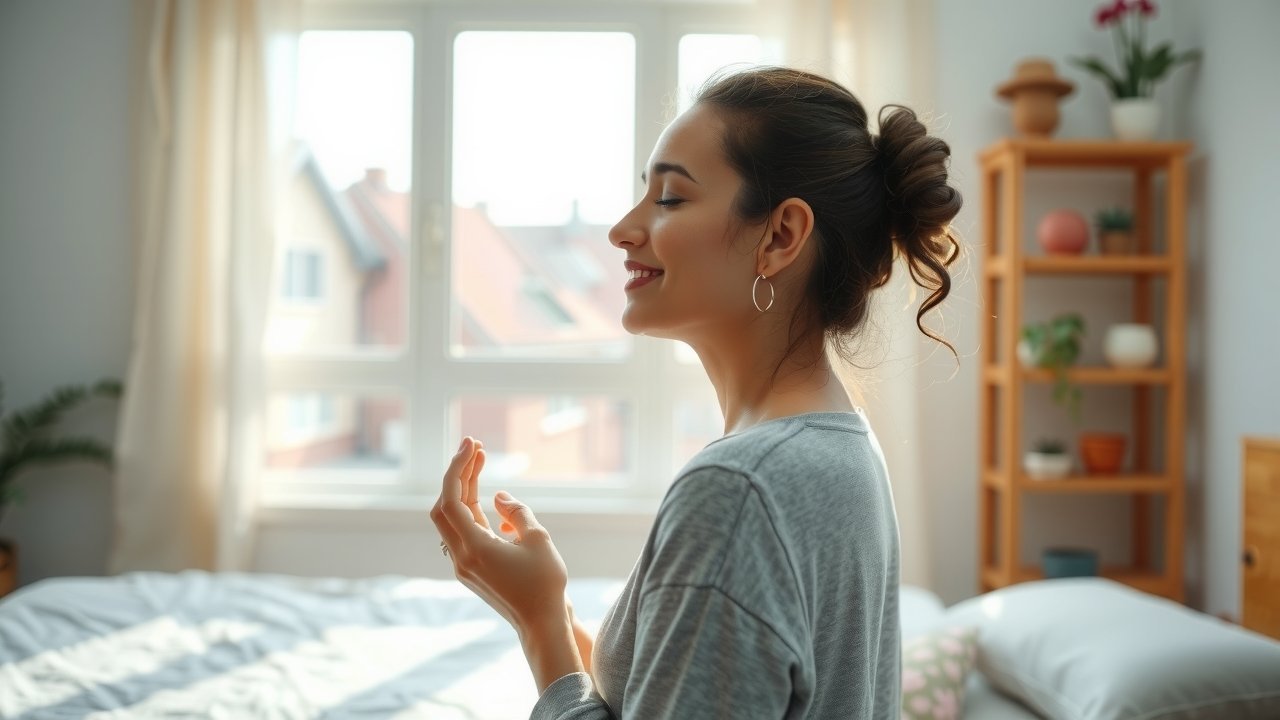
In our fast-paced world, anxiety can often feel like an unwelcome constant, a shadow lurking just beneath the surface of daily life. But what if you could proactively build a shield against its grip, fostering a deep sense of calm and resilience through intentional actions? This comprehensive guide is dedicated to helping you discover and implement healthy habits for anxiety relief, transforming your approach to mental well-being. We’ll explore science-backed strategies, practical tips, and powerful tools that empower you to reclaim your peace and navigate life’s challenges with greater ease.
Table of Contents
- Why Healthy Habits for Anxiety Relief Matters
- The Science Behind Cultivating Calm
- Top Recommended Products for Inner Peace
- Actionable Tips: Daily Rituals for Reduced Anxiety
- Common Mistakes to Avoid on Your Path to Calm
- Real Experiences & Results: Lasting Calm Through Consistent Habits
- Conclusion & Next Steps: Your Journey to Lasting Peace
- FAQs About Healthy Habits for Anxiety Relief
Why Healthy Habits for Anxiety Relief Matters
Adopting self-care practices for mental health, particularly those focusing on anxiety, isn’t just about managing symptoms when they arise; it’s about building a robust foundation for enduring mental and emotional health. Consistent healthy habits provide a buffer against life’s stressors, reducing the frequency and intensity of anxious feelings. By integrating specific routines into your daily life, you actively train your brain and body to respond to challenges with greater composure, preventing anxiety from taking root. These intentional choices empower you to move from a reactive state of coping to a proactive state of flourishing, fostering a profound sense of inner stability and enhancing your overall quality of life.
The Science Behind Cultivating Calm
The connection between our daily habits and our mental state is deeply rooted in neuroscience and physiology. When we experience anxiety, our sympathetic nervous system, often called the “fight or flight” response, kicks into high gear. This triggers the release of stress hormones like cortisol and adrenaline, leading to increased heart rate, muscle tension, and heightened vigilance. Consistently engaging in habits that activate the parasympathetic nervous system – our “rest and digest” mode – helps to counteract this stress response. Activities such as deep breathing, mindfulness meditation, and regular physical activity have been shown to lower cortisol levels, reduce inflammation, and promote neuroplasticity, which is the brain’s ability to adapt and form new, healthier neural pathways. Building healthy habits for anxiety relief also impacts neurotransmitters like serotonin and dopamine, which play crucial roles in mood regulation, contributing to a more stable and positive emotional landscape. For instance, deep breathing exercises for stress can instantly calm the nervous system.
Beyond immediate relief, establishing routine fosters a sense of predictability and control, which can be incredibly soothing for an anxious mind. The gut-brain axis also plays a significant role; a healthy microbiome, supported by balanced nutrition, can influence neurotransmitter production and reduce systemic inflammation, both linked to mood. This holistic approach ensures that you’re not just treating symptoms, but nurturing your entire system towards a state of deep calm and emotional balance. These restorative sleep patterns and soothing techniques help to reset the nervous system, leading to sustained mental ease.
Top Recommended Products for Inner Peace
Integrating targeted supplements can provide valuable support alongside a foundation of healthy habits. Here are a few expert-selected products that can help enhance your journey towards healthy habits for anxiety relief:
- YU Sleep: Quality sleep is non-negotiable for mental health, and inadequate rest can significantly exacerbate anxiety. YU Sleep is designed to support natural, restful sleep cycles, allowing your body and mind to properly recover. By improving sleep quality, this supplement helps reduce the physiological impact of stress, making it easier to manage anxious thoughts and promote overall emotional balance during waking hours.
- PrimeBiome: Emerging research strongly links gut health to brain function and mood. PrimeBiome focuses on supporting a balanced gut microbiome, which is essential for the production of neurotransmitters like serotonin – often called the “feel-good” hormone. By nurturing your gut health, PrimeBiome contributes to holistic wellness and can indirectly support a calmer state of mind, reducing the bodily stress that can contribute to anxiety.
- ArcticBlast: While primarily known for pain relief, the connection between physical discomfort and mental stress is undeniable. ArcticBlast, by addressing physical tension and discomfort, can alleviate a significant source of stress that often feeds into anxiety. When your body feels more at ease, your mind can follow suit. Its inclusion here is for those whose anxiety is compounded by physical stressors, contributing to an overall sense of relaxation and well-being.

Actionable Tips: Daily Rituals for Reduced Anxiety
Cultivating daily rituals that consistently nourish your mental and emotional health is key to long-term anxiety relief. Here’s how you can implement these transformative habits:
Morning Routines for a Centered Start
- Mindful Awakening: Instead of immediately reaching for your phone, take 5-10 minutes to simply breathe and be present. Lie in bed, focus on your breath, or do a short body scan. This simple act can set a calm tone for the entire day.
- Hydration & Gentle Movement: Drink a glass of water upon waking. Follow with light stretching or a short walk. Movement releases endorphins and helps to gently wake up your body, reducing morning stiffness and mental fog.
- Gratitude Practice: Jot down three things you are grateful for. This shifts your focus from potential worries to existing positives, building a more optimistic outlook.
Mid-Day Recharge for Sustained Focus
- Mindful Breaks: Step away from your desk or tasks every 90 minutes. Engage in a deep breathing exercise for 2-3 minutes, walk outside for a change of scenery, or listen to a calming piece of music.
- Balanced Nutrition: Avoid skipping meals, especially lunch. Opt for whole, unprocessed foods that provide sustained energy. Balanced food choices for a calmer mood and stable energy are vital. Foods rich in omega-3s, magnesium, and B vitamins are particularly beneficial.
- Connection: Briefly connect with a colleague, friend, or family member. Social interaction, even brief, can reduce feelings of isolation and boost mood.
Evening Rituals for Restorative Sleep
- Digital Detox: Power down screens at least an hour before bed. The blue light emitted by devices can disrupt melatonin production, making it harder to fall asleep.
- Relaxing Activities: Engage in calming activities like reading a physical book, taking a warm bath, listening to soothing music, or gentle stretching. Consider a guided meditation focused on sleep.
- Consistent Sleep Schedule: Go to bed and wake up at roughly the same time each day, even on weekends. This regulates your circadian rhythm, optimizing sleep quality. Remember, improving sleep is one of the most effective healthy habits for anxiety relief.
Common Mistakes to Avoid on Your Path to Calm
While the path to anxiety relief is personal, certain pitfalls can hinder progress. Being aware of these common mistakes can help you navigate your journey more effectively:
- Expecting Instant Results: Anxiety relief through habits is a journey, not a sprint. Don’t get discouraged if you don’t feel dramatically different overnight. Consistency, even with small steps, yields cumulative benefits.
- Over-Committing to Too Many Habits at Once: Trying to overhaul your entire lifestyle in one go can be overwhelming and unsustainable. Start with one or two new habits, integrate them fully, and then gradually add more. Small, consistent wins build momentum.
- Neglecting the Basics (Sleep, Nutrition, Movement): It’s tempting to seek complex solutions, but foundational elements like adequate sleep, balanced nutrition, and regular physical activity are paramount. Without these, other strategies will be less effective.
- Isolating Yourself: While introspection is valuable, withdrawing from social connections can worsen anxiety. Seek supportive relationships and don’t hesitate to reach out to trusted friends, family, or professionals when you need to.
- Ignoring Professional Help When Needed: While healthy habits are powerful, they are not a substitute for professional mental health care if your anxiety is severe or debilitating. A therapist or doctor can provide crucial guidance and treatment plans.
Real Experiences & Results: Lasting Calm Through Consistent Habits
The power of incorporating healthy habits for anxiety relief lies in their cumulative effect, transforming not just how you feel in the moment, but your entire disposition over time. We’ve seen countless individuals experience profound shifts by committing to these simple yet impactful changes. For example, Sarah, a marketing professional, struggled with persistent worry and difficulty sleeping. By consistently adopting an evening digital detox, practicing guided meditation for 15 minutes before bed (supported by mindfulness meditation for anxiety), and starting her mornings with gentle stretches, she reported a significant reduction in anxious thoughts and improved sleep quality within a few weeks. Her experience isn’t unique; many find that as they consistently nourish their mind and body, their ability to manage stress improves, and their overall sense of peace deepens. These are not quick fixes but rather a sustainable path to cultivating inner resilience and reducing nervous system overactivity.
Conclusion & Next Steps: Your Journey to Lasting Peace
Embarking on a journey to incorporate healthy habits for anxiety relief is one of the most empowering steps you can take for your overall well-being. This guide has provided you with a robust framework, from understanding the science of calm to implementing actionable daily rituals and identifying supportive products. Remember, true and lasting peace is cultivated through consistent effort and a holistic approach that nurtures your mind, body, and spirit. Start small, celebrate every step, and be patient with yourself. By prioritizing these positive changes, you’re not just managing anxiety; you’re building a life rich in serenity, resilience, and profound emotional balance. Keep exploring these restorative practices, and you’ll find your path to greater mental ease.

FAQs About Healthy Habits for Anxiety Relief
Q1: How quickly can I expect to feel better after starting healthy habits for anxiety relief?
A: The timeline varies for everyone. Some individuals report feeling subtle improvements in mood and stress levels within days or a few weeks of consistent practice. Significant and lasting change, however, often requires several months of dedicated effort. Consistency is more important than intensity.
Q2: Can healthy habits replace anxiety medication or therapy?
A: For mild to moderate anxiety, healthy habits can be incredibly effective and may, in some cases, reduce the need for medication. However, for severe or chronic anxiety, these habits are best viewed as complementary to professional therapy or medication. Always consult with a healthcare professional before making any changes to your treatment plan.
Q3: What if I miss a day or fall off track with my new habits?
A: It’s completely normal to miss a day or two. The key is to avoid self-criticism and simply restart your habits the next day. Progress isn’t linear, and a slip-up doesn’t erase all your hard work. Focus on getting back on track rather than dwelling on the lapse.
Q4: Are there any specific exercises that are best for anxiety relief?
A: Gentle, rhythmic exercises are often recommended. These include walking, jogging, swimming, yoga, and tai chi. The goal isn’t strenuous activity but rather consistent movement that helps release tension and promotes the production of calming neurotransmitters. For example, joint-friendly exercise for stress relief can be very effective.
Affiliate Disclosure: This article contains affiliate links. We may earn a small commission if you purchase through them. We only recommend products we trust and that align with our values of promoting holistic well-being.






Be First to Comment