
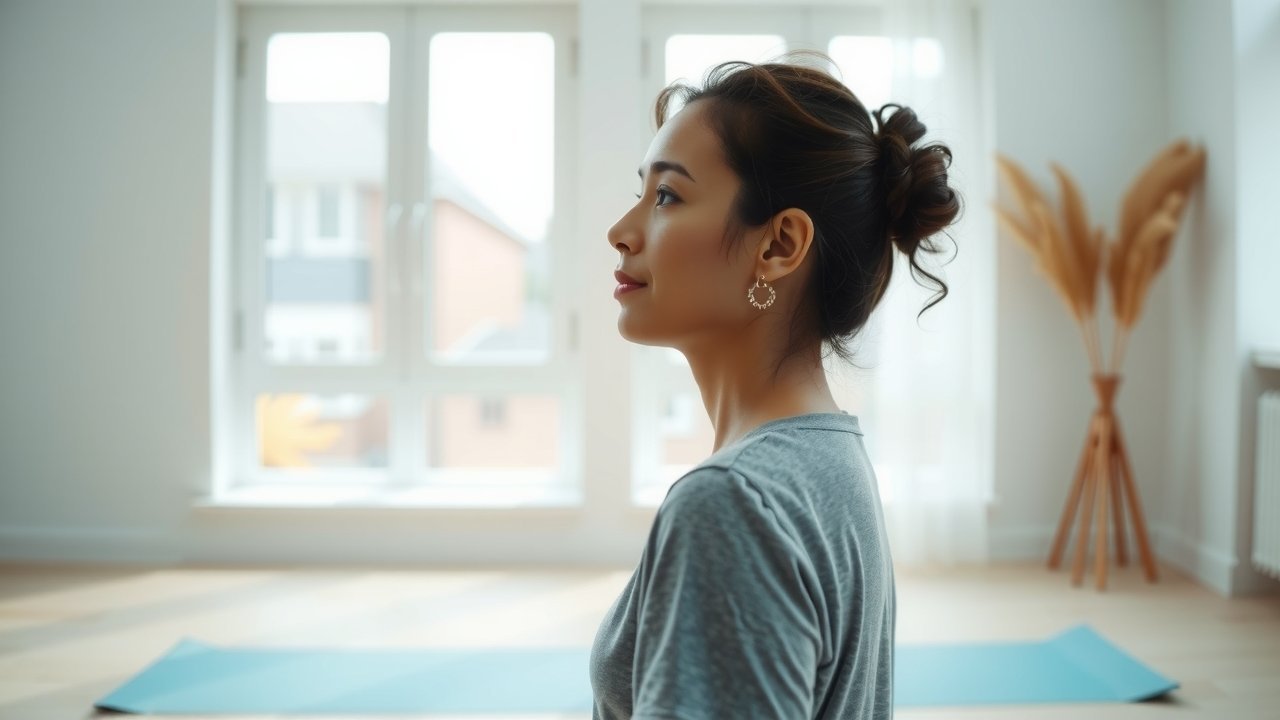
In our fast-paced world, finding moments of tranquility can feel like an elusive quest. Yet, one of the most powerful tools for achieving inner peace lies within us, accessible at any moment: our breath. Deliberate lung breathing practices for calm offer a profound pathway to not only soothe the mind but also to invigorate the body and enhance overall well-being. This comprehensive guide from HealthyFlip.com delves into the art and science of mindful breathing, demonstrating how simple yet effective techniques can transform your daily life, reducing stress and fostering a deeper sense of serenity.
The ability to consciously control and deepen our breath is a fundamental aspect of holistic health. It’s a bridge between the body and mind, influencing everything from our nervous system to our emotional state. By understanding and implementing targeted lung breathing practices for calm, you can unlock a natural mechanism for stress reduction, improved focus, and a more resilient spirit. These practices are more than just exercises; they are a lifestyle choice that empowers you to navigate life’s challenges with greater ease and grace. If you’ve been searching for a simple, effective method to cultivate inner peace, you’ve found your ultimate resource.
Table of Contents
- Why Lung Breathing Practices for Calm Matters
- The Science Behind Lung Breathing Practices for Calm
- Top Recommended Products for Enhanced Calm & Sleep
- Actionable Tips for Cultivating Calm Through Breath
- Common Mistakes to Avoid in Breathing Practices
- Real Experiences & Results from Mindful Breathing
- Conclusion & Next Steps
- FAQs About Lung Breathing Practices for Calm
Why Lung Breathing Practices for Calm Matters
Engaging in intentional lung breathing practices for calm can significantly improve both mental and physical health. These techniques help regulate the autonomic nervous system, shifting it from a “fight or flight” (sympathetic) state to a “rest and digest” (parasympathetic) state. This shift leads to immediate physiological benefits, including a lowered heart rate, reduced blood pressure, and decreased muscle tension. Mentally, these practices foster deep calm, diminish feelings of anxiety, and enhance mental clarity. Regularly incorporating these breathing exercises can build resilience against stress, improve sleep quality, and boost overall emotional balance, making them an indispensable tool for holistic well-being.
The Science Behind Lung Breathing Practices for Calm
The intricate connection between our breath and our state of mind is deeply rooted in neurobiology. When we consciously engage in deep, slow breathing, we stimulate the vagus nerve, a critical component of the parasympathetic nervous system. This nerve extends from the brainstem to the abdomen, influencing heart rate, digestion, and mood. Activation of the vagus nerve releases neurotransmitters like acetylcholine, which has a calming effect on the body, reducing inflammation and inducing a state of relaxation. Furthermore, proper lung breathing practices for calm increase oxygen delivery to the brain, optimizing cognitive function and helping to clear mental fog. This physiological response demonstrates how purposeful breathing can directly impact our mental ease and contribute to profound nervous system relaxation. It’s a powerful feedback loop where conscious breath directly influences our internal chemistry, promoting holistic serenity and mind-body harmony.
Beyond the vagal nerve, controlled breathing also impacts carbon dioxide levels in the blood. Rapid, shallow breathing can lead to hypocapnia (low CO2), which can cause blood vessels to constrict, reducing blood flow to the brain and potentially exacerbating feelings of anxiety and panic. In contrast, slow, deep breathing allows for optimal gas exchange, maintaining balanced CO2 levels and promoting proper blood flow, which in turn supports a more stable and calm psychological state. Regular practice of these techniques can even improve lung capacity and efficiency over time, making everyday breathing more effective and less taxing on the body.
Top Recommended Products for Enhanced Calm & Sleep
While effective breathing practices lay a powerful foundation for achieving calm and well-being, sometimes our bodies need additional support to truly unwind and optimize recovery. Particularly when stress impacts our sleep, a natural sleep aid can complement your breathing routine, ensuring deeper rest and a more profound sense of calm. Quality sleep is intrinsically linked to our respiratory health and overall resilience against stress.
For those seeking to enhance their nightly restorative sleep and support their nervous system relaxation, we recommend YU Sleep. This natural sleep supplement is formulated to help you drift into a peaceful slumber and wake up feeling refreshed. By supporting healthy sleep cycles, YU Sleep contributes to the body’s natural recovery processes, which in turn can bolster your ability to engage in and benefit from mindful breathing practices. A well-rested body and mind are far more receptive to soothing techniques and maintaining emotional balance throughout the day.

Actionable Tips for Cultivating Calm Through Breath
Ready to integrate breathing exercises into your daily routine? Here are some simple, yet highly effective lung breathing practices for calm that you can start today:
Diaphragmatic Breathing (Belly Breathing)
This fundamental technique maximizes oxygen intake and engages your diaphragm, the primary muscle of respiration. It’s excellent for stress relief and improving lung capacity.
- Find Your Position: Lie on your back with knees bent or sit comfortably in a chair. Place one hand on your chest and the other on your abdomen, just below your rib cage.
- Inhale Deeply: Breathe slowly and deeply through your nose, allowing your abdomen to rise as your lungs fill with air. Your chest hand should remain relatively still.
- Exhale Gently: Purse your lips slightly and exhale slowly through your mouth, feeling your abdominal muscles gently contract as your belly falls.
- Repeat: Continue for 5-10 minutes, focusing on the rhythmic expansion and contraction of your abdomen. For a deeper dive, check out this guide on deep breathing exercises for calm and health.
4-7-8 Breathing (The Relaxing Breath)
Developed by Dr. Andrew Weil, this technique is potent for promoting relaxation and aiding sleep. It acts as a natural tranquilizer for the nervous system.
- Preparation: Exhale completely through your mouth, making a “whoosh” sound.
- Inhale (4 counts): Close your mouth and inhale quietly through your nose to a mental count of four.
- Hold (7 counts): Hold your breath for a count of seven.
- Exhale (8 counts): Exhale completely through your mouth, making the “whoosh” sound for a count of eight.
- Cycle: This completes one breath. Inhale again and repeat the cycle three more times for a total of four breaths. This is an excellent addition to your relaxation breathing routines before bed.
Box Breathing (For Focus and Clarity)
Also known as square breathing, this technique is used by military and first responders to calm the nervous system and improve concentration under pressure.
- Exhale Completely: Empty your lungs of air.
- Inhale (4 counts): Slowly inhale through your nose for a count of four. Feel your lungs fill.
- Hold (4 counts): Hold your breath for a count of four.
- Exhale (4 counts): Slowly exhale through your mouth for a count of four.
- Hold (4 counts): Hold your breath again for a count of four before the next inhale.
- Repeat: Continue this “box” pattern for 5 minutes or until you feel centered. You can master deep breathing in minutes with this technique.
Mindful Breathing Awareness
This isn’t a specific technique but rather an ongoing practice of paying attention to your breath throughout the day. Simply observe your breath as it enters and leaves your body, noticing its rhythm and depth without trying to change it. This simple act of awareness can be incredibly grounding and stress-reducing, bringing you back to the present moment.
Common Mistakes to Avoid
Even with the best intentions, it’s easy to fall into common pitfalls when starting your breathing journey. Avoiding these errors will help you maximize the benefits of your lung breathing practices for calm:
- Shallow Chest Breathing: Many people breathe primarily from their chest, which is often associated with stress and shallow respiration.
- Fix: Focus intently on engaging your diaphragm (belly breathing). Place a hand on your belly to ensure it rises and falls more than your chest.
- Forcing the Breath: Trying too hard to breathe deeply or hold your breath for too long can create more tension rather than relaxation.
- Fix: Approach each breath gently. Your breath should be smooth and effortless, never strained. Start with shorter counts and gradually increase as you build capacity.
- Irregular Practice: Expecting instant, lasting results from infrequent breathing sessions.
- Fix: Consistency is key. Even 5-10 minutes daily can make a significant difference. Incorporate short breathing breaks into your routine, such as before meals or during work breaks.
- Ignoring Your Body’s Signals: Pushing through discomfort or holding your breath when it feels unnatural.
- Fix: Listen to your body. If a technique feels uncomfortable, adjust it or try another. The goal is relaxation, not exertion.
- Distraction: Allowing your mind to wander during practice, diminishing the mindful aspect.
- Fix: Gently bring your attention back to your breath whenever your mind drifts. Use a mantra or count your breaths to help maintain focus.
Real Experiences & Results
The impact of consistent lung breathing practices for calm extends far beyond momentary relaxation; it often cultivates profound, lasting changes in individuals’ lives. Many report a noticeable reduction in their baseline stress levels, finding themselves less reactive to daily stressors and more capable of maintaining composure under pressure. For those who once struggled with racing thoughts and anxiety, mindful breathing offers a reliable anchor, transforming moments of panic into opportunities for self-regulation.
Consider the story of an executive who found herself overwhelmed by deadlines and constant demands. By incorporating 10 minutes of box breathing into her morning routine and a few quick diaphragmatic breaths before important meetings, she observed a dramatic improvement in her decision-making clarity and a decrease in her persistent jaw clenching. Or the student who used 4-7-8 breathing to calm pre-exam jitters, leading to better focus and recall during tests.
Experts in respiratory health and mindfulness consistently highlight that while individual experiences vary, the overarching theme is one of empowerment. People learn that they possess an innate tool to influence their physiological and psychological state. These practices foster a sense of control and self-efficacy, encouraging a proactive approach to mental and physical wellness. The results aren’t just anecdotal; they’re supported by growing scientific evidence demonstrating how regulated breathing can modulate brain activity, improve mood, and even enhance immune function. Realistic expectations are crucial: while breathing practices offer significant benefits, they are a complementary tool within a holistic approach to health, not a standalone cure for severe conditions.
Conclusion & Next Steps
Embracing lung breathing practices for calm is one of the most accessible and effective ways to foster a healthier, more balanced life. From reducing stress and anxiety to improving focus and sleep quality, the benefits are expansive and well-documented. By committing to just a few minutes of mindful breathing each day, you can profoundly influence your physical and emotional landscape, cultivating a deeper sense of peace and resilience. This journey toward inner calm is not about perfection, but about consistent, gentle effort, allowing your breath to become a reliable ally in navigating life’s complexities.
We encourage you to experiment with the techniques outlined in this guide and discover which ones resonate most with you. Remember that consistency is key; even short, regular sessions can yield significant results. Consider integrating supporting elements like YU Sleep to enhance your restorative rest, further amplifying the benefits of your breathing work. Prioritizing your breathing is a powerful act of self-care that builds a foundation for lasting emotional balance, overall well-being, and a truly calm, centered existence. Begin today, and breathe your way to a more peaceful you.

FAQs About Lung Breathing Practices for Calm
Q1: How quickly can I expect to feel results from breathing practices?
A: Many people experience immediate feelings of relaxation and reduced stress after just one session of mindful breathing. Consistent daily practice, however, leads to more profound and lasting changes in your overall stress response and well-being over weeks and months.
Q2: Are there any risks associated with deep breathing exercises?
A: For most healthy individuals, deep breathing exercises are safe and beneficial. However, if you have severe respiratory conditions, heart problems, or chronic anxiety, it’s always best to consult with your doctor or a qualified health professional before starting any new breathing regimen. They can provide personalized guidance to ensure your chosen breathing practices are appropriate for your specific health needs.
Q3: Can lung breathing practices for calm help with sleep issues?
A: Absolutely. Breathing practices like the 4-7-8 method are specifically designed to activate the parasympathetic nervous system, preparing your body for sleep. By calming your mind and body before bed, you can significantly improve your ability to fall asleep faster and achieve more restorative rest. Complementing these practices with a natural sleep aid like YU Sleep can further enhance your sleep quality.
Q4: How often should I practice these breathing techniques?
A: For optimal results, aim for at least 5-10 minutes of focused breathing practice daily. You can break this up into shorter sessions throughout the day, such as a few minutes in the morning, during a lunch break, and before bed. The more consistent you are, the more ingrained the calming response will become.
Q5: What’s the difference between mindful breathing and meditation?
A: Mindful breathing is often a core component of meditation, where the breath serves as an anchor for awareness. While meditation usually involves a broader focus on thoughts, emotions, and sensations, mindful breathing specifically directs attention to the act of breathing itself. Both aim to bring you into the present moment and cultivate calm, but mindful breathing is a more targeted technique. For those looking to integrate deep breathing for stress relief, training your lungs to support calm is a great starting point.
Affiliate Disclosure: This article contains affiliate links. We may earn a small commission if you purchase through them. We only recommend products we trust.






Be First to Comment