
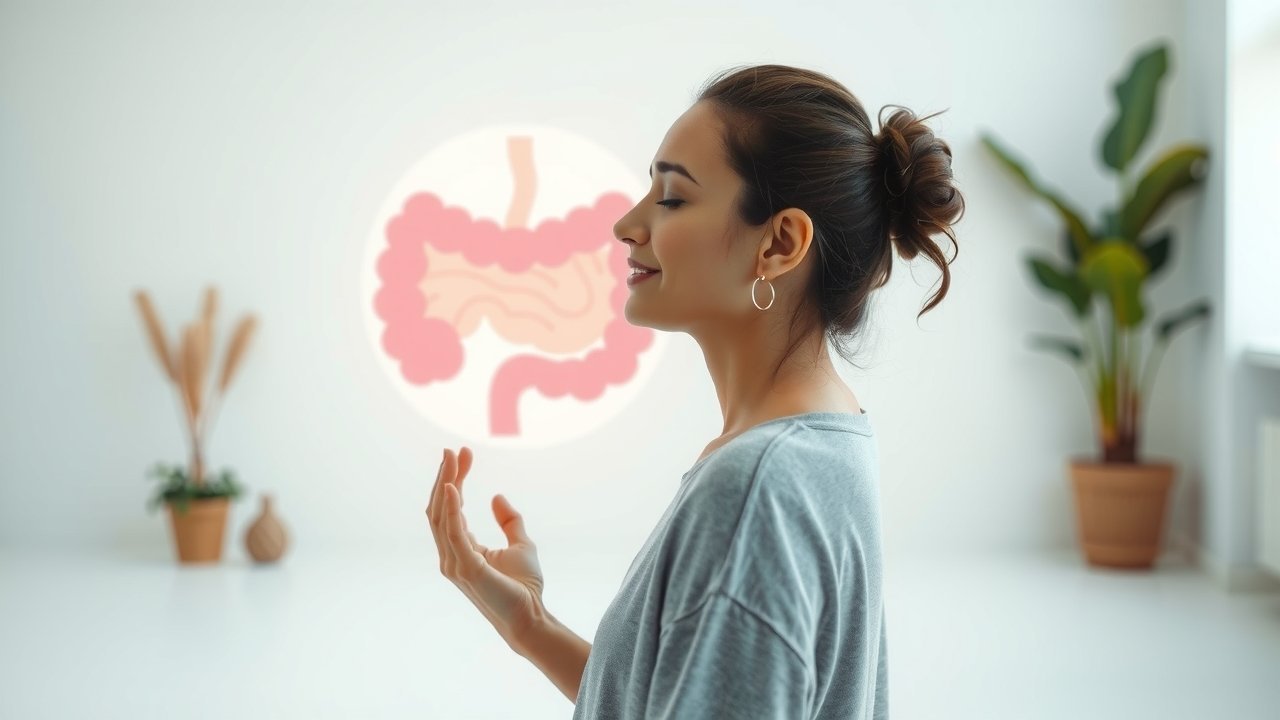
In our fast-paced world, stress has become an almost constant companion for many. While its impact on our mental and emotional state is well-known, fewer people realize the profound connection between stress and digestive health. Your gut, often called your “second brain,” is intricately linked to your mood, immunity, and overall well-being, and it reacts strongly to tension.
This ultimate guide will explore practical stress coping strategies for gut health, offering simple yet powerful steps to nurture your digestive system and boost your overall vitality. From understanding the science behind the gut-brain axis to implementing daily habits and exploring supportive supplements, you’ll learn how to transform stress into resilience and cultivate a thriving inner ecosystem. Let’s embark on this journey to a calmer mind and a happier gut.
Table of Contents
- Why Stress Coping Strategies for Gut Health Matter
- The Science Behind the Gut-Brain Connection and Stress
- Top Recommended Products for Gut Health and Stress Management
- Actionable Stress Coping Strategies for Optimal Gut Health
- Common Mistakes to Avoid When Managing Stress for Gut Health
- Real Experiences & Lasting Results
- Conclusion & Your Path to a Happier Gut
- FAQs About Stress & Gut Health
Why Stress Coping Strategies for Gut Health Matter
The gut-brain axis is a two-way communication system that connects your central nervous system (brain) to your enteric nervous system (gut). This intricate network means that stress doesn’t just affect your mind; it profoundly impacts your digestive system. When you experience chronic stress, your body releases hormones like cortisol, which can disrupt the delicate balance of your gut microbiome, increase gut permeability (leading to “leaky gut”), and even alter digestive motility.
Understanding the Impact of Stress on Your Gut:
Chronic stress can manifest in your gut through various uncomfortable symptoms, including:
- Bloating and gas
- Constipation or diarrhea
- Irritable bowel syndrome (IBS) flare-ups
- Nausea
- Increased sensitivity to pain
- Reduced nutrient absorption
Beyond these immediate digestive issues, a stressed gut can contribute to a cascade of wider health problems, such as weakened immunity, mood imbalances (anxiety, depression), and chronic inflammation. This is why developing effective stress coping strategies for gut health is not just about feeling better in the moment, but about building long-term resilience for your entire body. By proactively managing stress, you create an environment where your gut can thrive, leading to improved digestion, enhanced immunity, clearer thinking, and a greater sense of calm.
The Science Behind the Gut-Brain Connection and Stress
The intricate relationship between your brain and gut is mediated by several pathways, primarily the vagus nerve, a major nerve extending from your brainstem to your abdomen. This nerve acts as a superhighway, transmitting signals in both directions. When you’re stressed, your brain sends distress signals down the vagus nerve to your gut, triggering a “fight or flight” response that diverts resources away from digestion.
Simultaneously, the stress hormones like cortisol and adrenaline directly influence the gut lining. Cortisol can reduce the diversity of your gut microbiome, favoring “bad” bacteria over beneficial ones. This imbalance, known as dysbiosis, can lead to inflammation, impair the gut barrier, and even affect the production of neurotransmitters. For example, about 90% of your body’s serotonin, a mood-regulating neurotransmitter, is produced in the gut.
Research also suggests that stress can increase gut permeability, commonly referred to as “leaky gut.” This allows undigested food particles, toxins, and bacteria to enter the bloodstream, triggering an immune response and widespread inflammation. This chronic low-grade inflammation can then send signals back to the brain, contributing to anxiety and further exacerbating the stress response, creating a vicious cycle.
By implementing targeted stress coping strategies for gut health, you can directly influence these physiological pathways. Techniques such as mindfulness and meditation have been shown to stimulate the vagus nerve, promoting a “rest and digest” state. Dietary changes, like increasing fiber and incorporating fermented foods, can support a diverse and healthy microbiome, which in turn can positively influence mood and stress resilience. Understanding this science empowers you to make informed choices that benefit both your mental and digestive well-being.
Top Recommended Products for Gut Health and Stress Management
While lifestyle changes are fundamental, certain high-quality supplements can provide targeted support to enhance your gut health and improve your body’s ability to cope with stress. When choosing supplements, it’s essential to look for reputable brands that focus on natural, effective ingredients. Here are some of our top recommendations designed to support a healthy gut microbiome and overall wellness, helping you manage stress more effectively:
- PrimeBiome: This supplement is expertly formulated to support a balanced gut microbiome, which is crucial for both digestive health and stress resilience. PrimeBiome focuses on providing beneficial bacteria to help maintain gut integrity and optimize nutrient absorption. Many users report improved digestion, reduced bloating, and a general sense of well-being, which are all key factors in better stress management. If you’re looking to directly enhance your gut’s foundational health, PrimeBiome offers comprehensive support.
- LeanBiome: While primarily known for its role in weight management, LeanBiome also incorporates strains of beneficial bacteria specifically chosen to support a healthy gut. A balanced gut environment is not only vital for metabolism but also plays a significant role in how your body handles stress and maintains energy levels. For those whose stress leads to unhealthy eating habits or weight fluctuations, LeanBiome can offer a dual benefit, promoting both gut balance and a healthier body composition, thereby indirectly aiding in stress reduction. Users, particularly women aged 25-55, find it valuable for integrated gut and weight support.
- Renew: Renew is designed to support the body’s natural detox processes, which can be immensely beneficial for overall wellness and stress relief. A healthy detoxification system, including a clean gut, can reduce the burden on your body and improve its ability to function optimally. By helping to gently cleanse and rejuvenate, Renew contributes to a feeling of lightness and improved energy, which can make managing daily stressors feel less overwhelming. This holistic approach to wellness ensures your body is better equipped to handle both physical and mental demands, fostering a more serene state. It’s particularly useful for those looking to support gut cleansing and anti-aging benefits alongside stress reduction.
Actionable Stress Coping Strategies for Optimal Gut Health
Transforming your relationship with stress and nurturing your gut health doesn’t require drastic overhauls. Small, consistent steps can lead to significant improvements. Here are practical, actionable strategies you can integrate into your daily life:
-
Prioritize Mind-Body Practices
- Mindful Breathing: Just a few minutes of deep, diaphragmatic breathing can activate your vagus nerve and shift your body into a “rest and digest” state. Try inhaling slowly through your nose, letting your belly expand, holding for a few seconds, and exhaling slowly through your mouth. For a comprehensive guide, explore The Ultimate Guide to Deep Breathing Exercises for Calm & Health.
- Meditation and Mindfulness: Regular practice can reduce cortisol levels and improve your emotional response to stressors. Apps and guided meditations make it accessible for everyone. Learn more about cultivating inner peace with The Ultimate Guide to Mindfulness Techniques: Find Your Inner Peace.
- Yoga or Tai Chi: These practices combine gentle movement, breathwork, and meditation, proven to lower stress and improve digestive function.
-
Nourish Your Gut with Thoughtful Nutrition
- Whole, Unprocessed Foods: Focus on a diet rich in fruits, vegetables, whole grains, lean proteins, and healthy fats. These provide the fiber and nutrients your gut microbes need to thrive.
- Probiotic-Rich Foods: Incorporate fermented foods like yogurt, kefir, sauerkraut, kimchi, and kombucha into your diet. These introduce beneficial bacteria that can rebalance your microbiome.
- Prebiotic Foods: Foods like garlic, onions, asparagus, bananas, and oats act as “food” for your good gut bacteria, helping them proliferate.
- Limit Inflammatory Foods: Reduce intake of refined sugars, processed foods, excessive caffeine, and alcohol, which can exacerbate gut inflammation and stress. For more in-depth advice, check out Healthy eating habits and your Gut Health: a complete guide.
-
Embrace Regular Physical Activity
- Consistent Movement: Even moderate exercise, like a daily walk, can significantly reduce stress hormones and improve gut motility. It also releases endorphins, natural mood boosters.
- Listen to Your Body: Avoid over-exercising, which can be another form of stress on the body. Find an activity you enjoy and stick to a sustainable routine.
-
Prioritize Restorative Sleep
- Aim for 7-9 Hours: Sleep deprivation increases cortisol and negatively impacts gut health. Establish a consistent sleep schedule, even on weekends.
- Create a Relaxing Bedtime Routine: Wind down with a warm bath, reading, or gentle stretching. Avoid screens at least an hour before bed.
-
Cultivate Strong Social Connections
- Connect with Loved Ones: Spending time with supportive friends and family can significantly reduce feelings of stress and isolation.
- Seek Support: Don’t hesitate to reach out to a therapist, counselor, or support group if you’re struggling with chronic stress.
-
Manage Time and Set Boundaries
- Effective Time Management: Learning to prioritize tasks and avoid overcommitting can reduce feelings of overwhelm.
- Learn to Say No: Setting healthy boundaries protects your time and energy, allowing you to dedicate resources to self-care and gut-healing activities. For broader guidance, consider posts like The Ultimate Guide to Stress Management Techniques: Find Your Calm.
By integrating these stress coping strategies for gut health, you’re not just treating symptoms; you’re building a foundation for profound and lasting wellness. Remember that consistency is key, and even small daily efforts add up to big results over time.
Common Mistakes to Avoid When Managing Stress for Gut Health
While the path to a healthier gut and reduced stress might seem straightforward, many common pitfalls can hinder progress. Being aware of these mistakes can help you navigate your journey more effectively:
- Ignoring Early Warning Signs: Dismissing symptoms like persistent bloating, indigestion, or mood swings as “just stress” can prevent you from addressing underlying gut issues. Your body often signals distress early; listening to these cues is crucial.
- Seeking Quick Fixes Over Sustainable Habits: Relying solely on a single supplement or a restrictive diet for a short period without addressing lifestyle stressors is often ineffective. True healing requires consistent, holistic changes.
- Over-Restricting Your Diet Unnecessarily: While eliminating inflammatory foods is beneficial, excessively cutting out entire food groups without professional guidance can lead to nutrient deficiencies and increased stress around eating, which is counterproductive for gut health.
- Neglecting Sleep and Rest: Thinking you can push through sleep deprivation will eventually catch up to your gut and your stress levels. Inadequate sleep elevates cortisol, directly harming your microbiome and gut barrier.
- Excessive Self-Blame or Perfectionism: Healing takes time, and there will be days when you don’t stick perfectly to your plan. Being overly critical creates more stress. Focus on progress, not perfection, and practice self-compassion.
- Avoiding Professional Help: If your stress is overwhelming or your gut symptoms are severe and persistent, trying to manage everything on your own might prolong your suffering. Consulting a healthcare professional, registered dietitian, or therapist can provide personalized strategies and support.
- Over-Relying on Stimulants or Sedatives: Using caffeine to power through fatigue or alcohol/medication to numb stress without addressing the root causes can create dependency and further disrupt gut function and natural sleep cycles.
By avoiding these common missteps, you can create a more supportive and effective environment for your body to heal and build lasting resilience against stress, leading to a much happier and healthier gut.
Real Experiences & Lasting Results
Countless individuals have transformed their health by consciously integrating stress coping strategies for gut health into their daily lives. Many report a profound shift not only in their digestive comfort but also in their overall mental and emotional well-being. For example, individuals who committed to a regular mindfulness practice combined with a gut-friendly diet often share anecdotes of reduced IBS symptoms, more consistent digestion, and a noticeable decrease in anxiety levels.
A common theme among those who succeed is the realization that their gut issues were deeply intertwined with their stress response. By learning to identify stressors, implementing calming techniques, and nourishing their microbiome, they’ve experienced improvements in energy, sleep quality, and even skin health. These aren’t overnight miracles, but rather the cumulative effect of consistent self-care. Reviewers of products designed to support gut health often highlight how these supplements, when combined with a holistic approach, help them achieve a greater sense of balance and resilience, allowing them to navigate life’s challenges with more ease and a healthier digestive system.
Conclusion & Your Path to a Happier Gut
The journey to optimal gut health and effective stress management is a powerful one, deeply interconnected and mutually reinforcing. By understanding the profound impact that stress has on your digestive system and implementing conscious stress coping strategies for gut health, you unlock the potential for holistic wellness.
Remember that every small step counts, from a few minutes of mindful breathing to choosing nutrient-dense foods. Consistency in these practices builds resilience, allowing your gut to thrive and your mind to find greater calm. Embrace the power of the gut-brain axis, and know that by nurturing one, you significantly benefit the other. Start today by choosing one or two strategies from this guide that resonate with you, and commit to integrating them into your routine. Your gut, and your entire well-being, will thank you for it.

FAQs About Stress & Gut Health
Q1: How does stress directly impact gut health?
A: Stress triggers the release of hormones like cortisol, which can alter the gut microbiome composition, increase gut permeability (often called “leaky gut”), and slow down or speed up digestion. This can lead to inflammation, digestive discomfort, and reduced nutrient absorption, directly impacting your gut’s ability to function optimally.
Q2: What are the best foods to eat for a stress-affected gut?
A: Focus on whole, unprocessed foods rich in fiber and diverse nutrients. This includes plenty of fruits, vegetables, whole grains, and lean proteins. Incorporate probiotic-rich foods like yogurt, kefir, sauerkraut, and kimchi, along with prebiotic foods such as garlic, onions, and asparagus, to feed beneficial gut bacteria. Limiting processed sugars and unhealthy fats is also crucial.
Q3: How long does it take to see improvements in gut health from stress coping strategies?
A: The timeline varies for everyone, depending on the severity of your gut issues and the consistency of your efforts. Some people may notice subtle improvements in digestion and mood within a few weeks of implementing mindful practices and dietary changes. Significant, lasting changes often take several months, as the gut microbiome needs time to rebalance and heal. Patience and consistency are key.
Q4: When should I seek professional help for stress-related gut issues?
A: If your gut symptoms are severe, persistent, or significantly impacting your quality of life, it’s crucial to consult a healthcare professional. This includes symptoms like severe abdominal pain, unexplained weight loss, blood in your stool, or chronic diarrhea/constipation. Similarly, if your stress feels overwhelming or unmanageable, a therapist or counselor can provide valuable support and personalized strategies. This information is for educational purposes only and not a substitute for professional medical advice.
Affiliate Disclosure: This article contains affiliate links. If you purchase through these links, we may earn a small commission—at no extra cost to you. We only recommend products we believe in and have thoroughly researched.






Be First to Comment