

In our fast-paced world, anxiety has become an increasingly common challenge, affecting millions and impacting daily life, sleep, and overall well-being. The constant buzz of stressors can leave us feeling overwhelmed, restless, and disconnected from our inner calm. But what if you could tap into a powerful toolkit of strategies to effectively manage these feelings?
This comprehensive guide is designed to be your trusted resource for understanding and implementing effective relaxation techniques for anxiety. We’ll explore a variety of proven methods, from mindful breathing to physical release, and delve into how these practices can help you regain control, soothe your nervous system, and cultivate a deeper sense of serenity. You’ll learn the science behind why these techniques work, discover actionable steps to integrate them into your routine, and explore supporting products that can enhance your journey to lasting peace.
Table of Contents
- Why Relaxation Techniques for Anxiety Matter
- The Science Behind Relaxation for Anxiety
- Top Recommended Products for Anxiety & Relaxation Support
- Actionable Techniques & Tips for Anxiety Relief
- Common Mistakes to Avoid When Practicing Relaxation
- Real Experiences & Expert Insights
- Conclusion & Your Path to Calm
- FAQs About Relaxation Techniques for Anxiety
- The Ultimate Guide to Deep Breathing Exercises for Calm & Health
- The Ultimate Guide to Anxiety Coping Skills: Master Your Calm & Resilience
- The Ultimate Guide to Stress Management Techniques: Find Your Calm
Why Relaxation Techniques for Anxiety Matter
Anxiety is more than just feeling stressed; it’s a complex response involving physical, mental, and emotional symptoms. When you experience anxiety, your body enters a “fight or flight” mode, releasing stress hormones like cortisol and adrenaline. This natural response, while crucial for survival in dangerous situations, can become chronically activated in modern life, leading to a cascade of negative effects.
Without effective coping mechanisms, prolonged anxiety can contribute to:
- Sleep disturbances and insomnia
- Digestive issues
- Increased heart rate and blood pressure
- Muscle tension and chronic pain
- Difficulty concentrating and impaired decision-making
- Weakened immune function
- Reduced overall quality of life
This is where relaxation techniques for anxiety become invaluable. They are proactive strategies that allow you to consciously shift your body and mind out of this heightened state, promoting a sense of calm and restoring balance. Research suggests that regular practice of these techniques can significantly reduce anxiety symptoms, improve mood, and enhance your body’s ability to cope with stress.
What are effective relaxation techniques for anxiety?
Effective relaxation techniques for anxiety are practices designed to activate your body’s “rest and digest” (parasympathetic) nervous system, counteracting the stress response. These methods can include controlled breathing, progressive muscle relaxation, mindfulness meditation, guided imagery, yoga, and spending time in nature, all aimed at calming both the mind and the physical body to alleviate anxious feelings.
The Science Behind Relaxation for Anxiety
Understanding the physiological mechanisms behind relaxation can empower you to engage with these techniques more effectively. When you’re anxious, your sympathetic nervous system is in overdrive. Relaxation techniques work by engaging the parasympathetic nervous system, which is responsible for “rest and digest” functions.
Here’s a closer look at the science:
- Vagus Nerve Stimulation: Many relaxation techniques, especially deep breathing, stimulate the vagus nerve. This nerve is a primary component of the parasympathetic nervous system, connecting the brain to many vital organs. Stimulating it can slow heart rate, lower blood pressure, and reduce inflammation, directly counteracting anxiety’s physical symptoms.
- Neurotransmitter Balance: Regular relaxation can influence the release of neurotransmitters in the brain. For instance, practices like meditation can increase gamma-aminobutyric acid (GABA), a calming neurotransmitter, and serotonin, which contributes to feelings of well-being. Simultaneously, they can help reduce levels of cortisol, the primary stress hormone.
- Brainwave Activity: Techniques like mindfulness and meditation have been shown to shift brainwave patterns from faster beta waves (associated with alertness and anxiety) to slower alpha and theta waves (linked to relaxed states and introspection). This shift promotes mental tranquility.
- Reduced Muscle Tension: Chronic anxiety often leads to physical tension in the muscles. Techniques like progressive muscle relaxation directly address this by teaching you to first tense and then release different muscle groups, promoting physical relaxation and reducing discomfort.
- Improved Sleep Quality: Anxiety and sleep often have a bidirectional relationship. Poor sleep exacerbates anxiety, and anxiety disrupts sleep. By calming the nervous system, relaxation techniques can make it easier to fall asleep, stay asleep, and achieve more restorative rest, which is crucial for overall mental and physical health.
By consciously engaging in these practices, you’re not just “feeling better”—you’re actively rewiring your brain and calming your body’s stress response, creating a more resilient and peaceful internal state.
Top Recommended Products for Anxiety & Relaxation Support
While relaxation techniques are powerful on their own, certain products can complement your efforts, providing additional support for stress management, muscle comfort, and improved sleep quality – all crucial aspects of alleviating anxiety. We’ve identified a few top-rated options that align with the principles of natural wellness and can seamlessly integrate into your relaxation routine.
Here are our top recommendations:
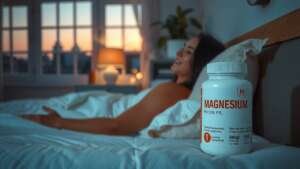
- For Enhanced Sleep and Relaxation: SleepLeanMany individuals struggling with anxiety find their sleep cycles disrupted, leading to a vicious cycle where poor sleep exacerbates anxious feelings. SleepLean is formulated to support healthy sleep and metabolic function, addressing the critical connection between restorative rest and overall well-being. By optimizing sleep, you create a more stable foundation for managing anxiety throughout the day. Reviewers often highlight how it helps them achieve deeper, more consistent sleep, which is a powerful ally against chronic stress.
- For Natural Sleep Support: YU SleepIf you’re looking for a natural approach to ease into sleep and wake up refreshed, YU Sleep could be an excellent addition to your evening routine. Quality sleep is indispensable for mental resilience and emotional balance, directly impacting your ability to handle daily stressors and reduce anxiety. This supplement focuses on natural ingredients to promote a calm mind and body, making it easier to drift off without the lingering worries of the day. Many users report a noticeable improvement in their sleep quality and morning energy levels.
- For Physical Tension Relief: ArcticBlastAnxiety often manifests as physical tension, leading to stiff muscles, headaches, and general discomfort. While not a direct anti-anxiety supplement, ArcticBlast is a topical solution designed to provide fast, soothing relief for aches, strains, and stiffness. By alleviating physical discomfort, it can indirectly support your ability to relax more deeply. When your body feels at ease, your mind often follows, making it easier to engage in other relaxation techniques. It’s an excellent tool for those who experience the physical symptoms of stress and tension. Learn more here: ArcticBlast.

Actionable Techniques & Tips for Anxiety Relief
Now that we’ve covered the “why” and “how” of relaxation, let’s dive into practical, actionable techniques you can start using today. Consistency is key, so aim to incorporate these into your daily routine, even for just a few minutes.
1. Diaphragmatic Breathing (Belly Breathing)
This is arguably the most fundamental relaxation technique, directly engaging the vagus nerve to calm your system.
- Find a Comfortable Position: Lie on your back with knees bent or sit upright in a chair. Place one hand on your chest and the other on your belly.
- Inhale Deeply: Breathe in slowly through your nose, allowing your belly to rise as your diaphragm inflates. Your chest hand should remain relatively still. Count to 4.
- Hold Briefly: Hold your breath for a count of 2.
- Exhale Slowly: Exhale slowly through your mouth, gently pursing your lips, allowing your belly to fall. Count to 6.
- Repeat: Continue for 5-10 minutes. Focus solely on the sensation of your breath.
2. Progressive Muscle Relaxation (PMR)
PMR involves tensing and then relaxing different muscle groups throughout your body, helping you recognize and release physical tension.
- Find a Quiet Spot: Lie down or sit comfortably.
- Start with Your Feet: Tense the muscles in your feet as tightly as you can for 5 seconds. Really feel the tension.
- Release: Completely relax your feet, letting all tension drain away. Notice the difference between tension and relaxation.
- Move Upwards: Progress through your body – calves, thighs, glutes, abdomen, chest, arms, hands, shoulders, neck, and face. Tense each group for 5 seconds, then relax for 30 seconds before moving to the next.
- Full Body Scan: After going through all muscle groups, do a quick body scan to identify and release any lingering tension.
Consider incorporating a product like ArcticBlast to target specific areas of tension, such as your neck or shoulders, before or after your PMR session for enhanced relief.
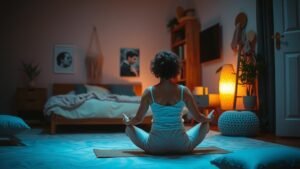
3. Mindfulness Meditation
Mindfulness is the practice of being fully present and aware of the current moment without judgment. It helps detach from anxious thoughts.
- Sit Comfortably: Find a quiet place and sit with a straight but relaxed spine.
- Focus on Your Breath: Gently bring your attention to your breath. Notice the sensation of air entering and leaving your body.
- Observe Thoughts: As thoughts arise (and they will!), simply acknowledge them without judgment. Don’t engage with them or try to push them away.
- Return to Breath: Gently guide your attention back to your breath. It’s like watching clouds pass in the sky – you see them, but you don’t get on them.
- Practice Regularly: Start with 5-10 minutes daily and gradually increase.
4. Guided Imagery & Visualization
This technique involves creating vivid mental images of peaceful scenes or experiences to evoke relaxation.
- Find a Quiet Space: Close your eyes and take a few deep breaths.
- Imagine a Peaceful Place: Picture a serene beach, a lush forest, a quiet garden, or any place that brings you calm.
- Engage All Senses: What do you see? What do you hear? What do you smell? How does the air feel on your skin? Taste anything? The more details, the better.
- Immerse Yourself: Allow yourself to fully experience this imaginary environment. Feel the tension leaving your body as you relax into the scene.
- Return Gently: After 10-15 minutes, slowly bring your awareness back to your surroundings.
5. Movement and Nature Connection
Gentle physical activity, especially outdoors, can be incredibly grounding and stress-reducing.
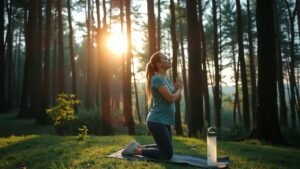
- Yoga or Tai Chi: These practices combine physical postures, breathing, and mindfulness, making them excellent for anxiety.
- Walking in Nature: A simple walk in a park, forest, or by a body of water can significantly reduce stress hormones and improve mood. “Forest bathing” (Shinrin-yoku) is a proven technique for natural relaxation.
6. Sound Therapy and Music
Certain sounds and music can profoundly affect your mood and nervous system.
- Calming Music: Listen to classical, ambient, or nature sounds (e.g., ocean waves, rain, forest sounds).
- Binaural Beats: Some people find specific binaural beat frequencies (often available through apps) helpful for promoting relaxation and sleep.
If anxiety frequently disrupts your sleep, enhancing your evening routine with supplements like SleepLean or YU Sleep can be particularly beneficial. They can help prepare your body and mind for restorative sleep, complementing your daytime relaxation practices.
Common Mistakes to Avoid When Practicing Relaxation
While relaxation techniques are generally safe and beneficial, missteps can reduce their effectiveness. Being aware of these common pitfalls can help you get the most out of your practice.
- Expecting Instant Results: Relaxation is a skill, not a switch. It takes consistent practice to train your nervous system to respond effectively. Don’t get discouraged if you don’t feel completely calm after your first session.
- Judging Yourself or Your Thoughts: It’s common for your mind to wander during meditation or breathing exercises. The goal isn’t to stop thinking, but to observe thoughts without judgment and gently redirect your focus. Self-criticism only adds more stress.
- Trying Only One Technique: What works for one person might not work for another. Experiment with different techniques (breathing, PMR, visualization, movement) to find what resonates best with you. Build a toolkit, not just a single tool.
- Practicing Only When You’re Already Overwhelmed: While helpful in the moment, relaxation techniques are most effective when practiced regularly as a preventative measure. Incorporate them into your daily routine, even on “good” days, to build your resilience.
- Focusing Too Much on the “How-To”: While understanding the steps is important, don’t get so caught up in doing it “right” that you lose sight of the intention. Allow yourself to simply be and experience the process.
- Ignoring Underlying Issues: Relaxation techniques are powerful tools for managing anxiety symptoms, but they are not a substitute for professional help if you’re dealing with severe or chronic anxiety. They work best as part of a holistic approach that may include therapy or medical consultation.
Real Experiences & Expert Insights
The efficacy of relaxation techniques for anxiety is not just anecdotal; it’s backed by a growing body of scientific research and the lived experiences of countless individuals. Experts in mental wellness consistently advocate for these practices as foundational tools for building resilience against stress.
Many individuals report significant improvements in their daily lives. For example, some find that integrating just 10 minutes of deep breathing into their morning routine helps them feel more centered and less reactive throughout the day. Others have discovered that a regular evening meditation practice, sometimes enhanced with a natural sleep aid like YU Sleep, dramatically improves their sleep quality, leading to reduced morning anxiety and greater energy.
Psychologists often highlight that the true power lies in consistency. One common sentiment among those who successfully manage their anxiety is that while the initial attempts might feel awkward or ineffective, perseverance pays off. Over time, the body and mind learn to respond more readily to relaxation cues, making it easier to return to a state of calm when stress arises.
Moreover, the journey often involves self-discovery. What works for one person – be it the active tension and release of Progressive Muscle Relaxation or the immersive escape of guided imagery – might differ for another. The key, as experts advise, is to approach these techniques with an open mind, a commitment to experimentation, and compassion for oneself during the learning process. This personalized approach ultimately leads to the most sustainable and profound benefits.
Conclusion & Your Path to Calm
Living with anxiety can feel like a constant uphill battle, but you have the power to equip yourself with effective tools. This guide has illuminated a clear path forward, providing you with a deeper understanding of various relaxation techniques for anxiety and how they can profoundly impact your well-being. From the simple yet profound act of diaphragmatic breathing to the mindful presence of meditation and the physical release of progressive muscle relaxation, each technique offers a unique way to calm your nervous system and reclaim your inner peace.
Remember, consistency is your most powerful ally. Integrate these practices into your daily life, even for short periods, and observe the transformative effects. Combine them with supportive products like SleepLean or YU Sleep for enhanced sleep, or ArcticBlast for physical tension relief, to create a holistic approach to managing your anxiety.
Your journey to serenity is a personal one, filled with learning and growth. Be patient with yourself, celebrate small victories, and know that every moment you dedicate to relaxation is an investment in a calmer, healthier, and more fulfilling life. Start today, and unlock the profound peace that lies within you.

FAQs About Relaxation Techniques for Anxiety
Q1: How long does it take for relaxation techniques to work for anxiety?
A: The immediate effects, such as a lowered heart rate and sense of calm, can be felt within minutes of practicing techniques like deep breathing. However, for significant and lasting reduction in chronic anxiety, consistent daily practice over several weeks or months is often necessary. Building resilience is like building a muscle; it requires regular training.
Q2: Can relaxation techniques replace anxiety medication or therapy?
A: For mild to moderate anxiety, relaxation techniques can be highly effective and may significantly reduce symptoms. However, they are generally considered complementary to, rather than a replacement for, professional medical treatment or therapy for severe or clinical anxiety disorders. Always consult with a healthcare professional before making any changes to your treatment plan.
Q3: What’s the best time of day to practice relaxation techniques?
A: The best time is whatever time you can commit to consistently. Many find success by integrating techniques into their morning routine to set a calm tone for the day, or into their evening routine to unwind and prepare for sleep. Short breaks throughout the day, particularly during stressful moments, are also highly beneficial for immediate relief.
Affiliate Disclosure: This article contains affiliate links. If you purchase through these links, we may earn a small commission—at no extra cost to you. We only recommend products we believe in and have thoroughly researched.



Be First to Comment