

Ever felt that undeniable connection between what you eat and how you feel, especially in your gut? You’re not alone. Our digestive system, often called our “second brain,” plays a pivotal role in everything from our mood and immunity to our energy levels and skin health. It’s an intricate ecosystem, teeming with trillions of microorganisms that directly influence our overall well-being.
In today’s fast-paced world, navigating the complexities of diet can feel overwhelming. With so much conflicting information out there, understanding how to adopt truly healthy eating habits for gut health can seem like a monumental task. But what if we told you it doesn’t have to be complicated? What if small, consistent changes could lead to profound improvements in your digestive comfort and vitality?
This ultimate guide is designed to demystify the journey to a healthier gut. We’ll explore the science behind how food impacts your microbiome, provide actionable tips for making positive dietary changes, highlight common mistakes to avoid, and introduce you to some top-recommended products that can support your efforts. Get ready to nourish your body from the inside out and discover the transformative power of a happy, healthy gut!
Table of Contents
- Why Healthy Eating Habits for Gut Health Matter
- The Science Behind a Healthy Gut & Diet
- Top Recommended Products for Gut Health
- Actionable Tips for Cultivating Gut-Healthy Eating Habits
- Common Mistakes to Avoid on Your Gut Health Journey
- Real Experiences & the Power of Gut-Friendly Eating
- Conclusion & Your Path to a Healthier Gut
- FAQs About Healthy Eating & Gut Health
Why Healthy Eating Habits for Gut Health Matter
Your gut is more than just a digestive tract; it’s a bustling metropolis of bacteria, fungi, and other microbes collectively known as the gut microbiome. This internal ecosystem is incredibly influential, impacting virtually every aspect of your health. When this balance is disrupted, often by poor dietary choices, it can lead to a cascade of issues, from digestive discomfort to more systemic problems.
What are Healthy Eating Habits for Gut Health?
Healthy eating habits for gut health involve prioritizing foods that nourish beneficial gut bacteria while limiting those that promote harmful ones. This means focusing on a diverse intake of whole, unprocessed foods rich in fiber, prebiotics, and probiotics. These habits aim to create a thriving and balanced microbiome, which in turn supports robust digestion, a strong immune system, mental clarity, and even healthy weight management.
Experts agree that a balanced microbiome is crucial. Research suggests that an unhealthy gut can contribute to inflammation, nutrient malabsorption, and even chronic diseases. By adopting thoughtful eating patterns, you’re not just feeding yourself, you’re feeding the trillions of tiny residents that dictate your health. Many individuals report significant improvements in energy, mood, and digestive regularity simply by making targeted dietary changes.
The Science Behind a Healthy Gut & Diet
The gut microbiome is a complex network. When we talk about gut health, we’re primarily referring to the diversity and balance of bacteria in your large intestine. Each type of bacteria plays a specific role, contributing to nutrient absorption, vitamin production, immune function, and even neurotransmitter synthesis.
Here’s how different dietary components impact this delicate balance:
- Fiber: The Gut’s Best Friend: Dietary fiber, found in fruits, vegetables, whole grains, and legumes, is indigestible by human enzymes. However, it’s a feast for beneficial gut bacteria. They ferment these fibers, producing short-chain fatty acids (SCFAs) like butyrate, which are vital for colon cell health, reducing inflammation, and even supporting brain function.
- Prebiotics: Fueling the Good Guys: Prebiotics are specific types of fiber that selectively feed beneficial bacteria. Foods rich in prebiotics include onions, garlic, leeks, asparagus, bananas, oats, and apples. Consuming these regularly helps your beneficial bacteria thrive.
- Probiotics: Introducing More Good Guys: Probiotics are live beneficial bacteria found in certain fermented foods or supplements. When consumed, they can temporarily increase the population of good bacteria in your gut, helping to restore balance, especially after disruptions like antibiotic use. Examples include yogurt, kefir, sauerkraut, kimchi, and kombucha.
- Sugar and Processed Foods: The Bad News: Diets high in refined sugars, unhealthy fats, and processed ingredients tend to feed harmful bacteria, leading to an imbalance (dysbiosis). This can cause increased inflammation, gut permeability (“leaky gut”), and a host of digestive issues.
- Hydration: Essential for Transit: Adequate water intake is critical for digestive health, helping to keep food moving smoothly through your system and preventing constipation, which can negatively impact the microbiome.
Understanding these scientific principles empowers you to make informed choices that actively promote a flourishing gut environment, setting the stage for improved health across the board.
Top Recommended Products for Gut Health
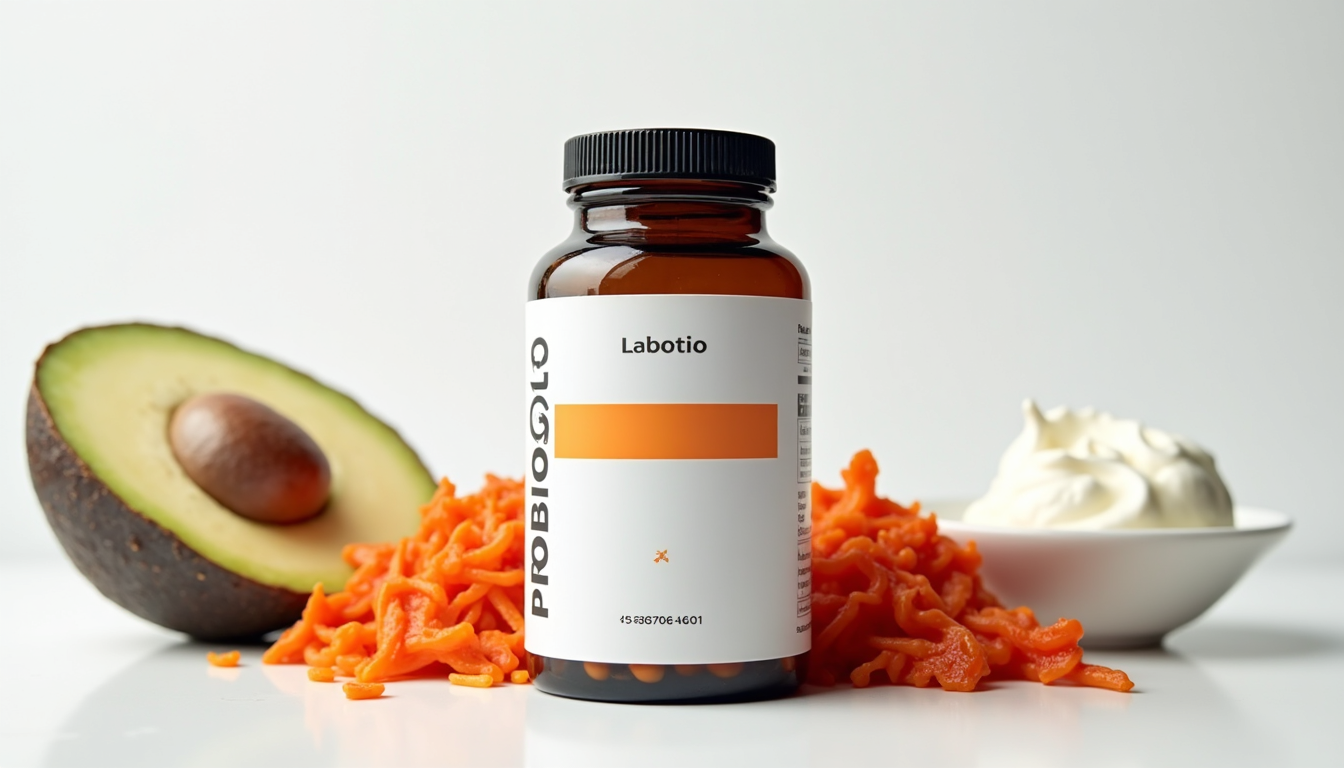
While a whole-food diet is the cornerstone of gut health, sometimes our bodies need a little extra support. High-quality supplements can bridge nutritional gaps and provide targeted assistance to help balance your microbiome, enhance digestion, and support overall wellness. We’ve researched and selected a few top products that align with promoting healthy eating habits for gut health:
PrimeBiome
Specifically designed to support gut health and holistic wellness, PrimeBiome is an excellent choice for those looking to nourish their microbiome. Many users report improved digestion, reduced bloating, and a general sense of well-being, which often extends to benefits for skin health as well. It’s a great add-on for anyone focusing on gut health benefits through diet.
LeanBiome
For individuals whose gut health journey is also tied to weight management, LeanBiome offers targeted support. This supplement is recommended for those focusing on gut health and weight loss, particularly women aged 25-55. It works by supporting a healthy gut microbiome balance, which can positively influence metabolism and fat burning. This makes it an ideal complement to healthy eating habits.
BioVanish
Supporting balanced diet tips and broader weight-loss strategies, BioVanish can be a valuable tool. While its primary niche is weight loss and metabolism, its approach often complements the goal of improving gut health through a balanced diet. Reviewers find it a high-conversion supplement, especially strong among US female traffic, suggesting its effectiveness in supporting overall wellness efforts, including those originating from healthy eating habits.
Actionable Tips for Cultivating Gut-Healthy Eating Habits
Ready to put knowledge into practice? Here’s how you can start integrating healthy eating habits for gut health into your daily life, creating a foundation for lasting wellness.
- Embrace Dietary Diversity: Aim to eat a wide variety of plant-based foods. Each different fruit, vegetable, grain, and legume offers unique fibers and nutrients that feed different beneficial bacteria strains. Think of it as inviting a diverse community to your gut party! Try to incorporate 30 different plant foods into your diet each week.
- Prioritize Fiber-Rich Whole Foods: Make whole grains (oats, quinoa, brown rice), legumes (lentils, beans, chickpeas), and plenty of fruits and vegetables the stars of your plate. These are excellent sources of prebiotics and dietary fiber crucial for gut health. Start slowly and increase your fiber intake gradually to avoid digestive upset.
- Include Fermented Foods Daily: Regularly consume foods rich in probiotics like plain yogurt, kefir, sauerkraut, kimchi, tempeh, or kombucha. These introduce beneficial bacteria directly into your digestive system. Just be sure to choose varieties that are truly “live and active.”
- Stay Hydrated: Water is fundamental for digestive health. It helps break down food, allows nutrients to be absorbed, and keeps your stool soft, promoting regular bowel movements. Aim for at least 8 glasses of water a day, more if you’re active.
- Limit Processed Foods and Added Sugars: These can feed harmful bacteria, contribute to inflammation, and disrupt the delicate balance of your gut microbiome. Focus on cooking at home with fresh ingredients to minimize hidden sugars and unhealthy fats.
- Chew Your Food Thoroughly: Digestion begins in the mouth. Chewing adequately breaks down food, making it easier for your stomach and intestines to process and absorb nutrients. This simple habit can significantly reduce digestive strain.
- Manage Stress Effectively: The gut-brain axis is real! Stress can negatively impact gut motility, increase gut permeability, and alter the microbiome. Incorporate stress-reducing practices like mindfulness, deep breathing, or yoga into your routine. For more on this, explore our guide on The Ultimate Guide to Mindfulness Techniques: Find Your Inner Peace.
- Consider Targeted Supplementation: As discussed, certain supplements like PrimeBiome or LeanBiome can offer additional support, especially when starting your journey or if you have specific goals like weight management alongside gut health. Always choose high-quality products from reputable brands.
Common Mistakes to Avoid on Your Gut Health Journey
Even with the best intentions, it’s easy to fall into common traps when trying to improve your gut health. Being aware of these can help you navigate your journey more effectively:
- Over-Reliance on a Single “Superfood”: While certain foods are incredibly beneficial, no single food can fix all gut issues. True gut health comes from a diverse, balanced diet, not just consuming large amounts of one or two items.
- Ignoring Food Sensitivities: Pay attention to how certain foods make you feel. Bloating, gas, or discomfort after eating specific items might indicate a sensitivity, even if it’s not a full-blown allergy. Eliminating problematic foods, even temporarily, can give your gut a chance to heal.
- Not Drinking Enough Water: Dehydration is a common culprit for constipation, which can throw off gut balance. Many people underestimate their daily water needs.
- Excessive Use of Antibiotics (when avoidable): While sometimes necessary, antibiotics decimate both good and bad gut bacteria. Always discuss antibiotic use with your doctor and consider probiotic supplementation during and after a course, if appropriate.
- Stress Neglect: Dismissing the impact of stress on digestion is a major oversight. Chronic stress can directly impair gut function and alter the microbiome. Prioritizing stress management is as vital as dietary changes. For deeper insights into managing stress, check out our resource on The Ultimate Guide to Stress Management Techniques: Find Your Calm.
- Expecting Instant Results: Healing and rebalancing the gut takes time. It’s a marathon, not a sprint. Be patient and consistent with your healthy eating habits, and celebrate small victories along the way.
- Not Getting Enough Sleep: Poor sleep patterns can disrupt gut microbiota balance and increase gut inflammation. Prioritizing 7-9 hours of quality sleep each night is essential for overall health, including your gut.
Real Experiences & the Power of Gut-Friendly Eating
The anecdotal evidence for the power of healthy eating habits for gut health is vast and compelling. Many individuals who commit to these changes report a remarkable transformation in their well-being. People often share stories of chronic bloating and digestive discomfort disappearing, replaced by ease and regularity. Some notice a significant boost in energy levels, attributing it to better nutrient absorption and reduced internal inflammation.
Beyond the physical, the mental shifts are profound. Users frequently describe experiencing clearer thinking, reduced brain fog, and a more stable mood. This isn’t surprising, given the gut’s role in producing neurotransmitters like serotonin. Individuals who previously struggled with skin issues or frequent illnesses often find their skin clears up and their immune system strengthens. These real-life accounts underscore that prioritizing your gut through intentional eating is a powerful step towards a more vibrant, balanced, and healthier life.
Conclusion & Your Path to a Healthier Gut
Adopting healthy eating habits for gut health is one of the most impactful steps you can take for your overall well-being. It’s a journey that extends beyond just digestion, influencing your energy, immunity, mood, and even your skin. By focusing on a diverse, fiber-rich, and minimally processed diet, you empower your gut microbiome to thrive, laying the foundation for a healthier, more vibrant you.
Remember, consistency is key, and small, sustainable changes yield the greatest results. Start by incorporating more whole foods, experimenting with fermented options, staying hydrated, and managing stress. Don’t be afraid to explore supportive supplements like PrimeBiome or LeanBiome if you feel you need an extra boost. Your gut is ready to thank you with improved health and vitality. Take that first step today and unlock the transformative power of a balanced gut!

FAQs About Healthy Eating & Gut Health
Q1: How quickly can I see improvements in my gut health from changing my diet?
A: While everyone is different, many people report noticing positive changes within a few days to a few weeks of consistently adopting healthy eating habits. Reduced bloating, more regular bowel movements, and improved energy levels are often among the first signs. Significant, long-lasting shifts in the microbiome can take a few months, so consistency is crucial.
Q2: Are there any specific foods I should completely avoid for gut health?
A: While moderation is key, generally, it’s advisable to limit highly processed foods, foods high in refined sugars, artificial sweeteners, and unhealthy trans fats. These can disrupt the balance of your gut bacteria and contribute to inflammation. If you suspect specific foods cause you discomfort, consider an elimination diet under professional guidance.
Q3: Can stress really impact my gut health?
A: Absolutely. There’s a strong connection between your brain and your gut, often called the “gut-brain axis.” Stress can alter gut motility, increase gut permeability (sometimes referred to as “leaky gut”), and even change the composition of your gut microbiome. Implementing stress management techniques like meditation, deep breathing, or regular exercise is just as important as dietary changes for optimal gut health. If you’re struggling with chronic digestive issues, always consult a healthcare professional.
Affiliate Disclosure: This article contains affiliate links. If you purchase through these links, we may earn a small commission—at no extra cost to you. We only recommend products we believe in and have thoroughly researched.






Be First to Comment