
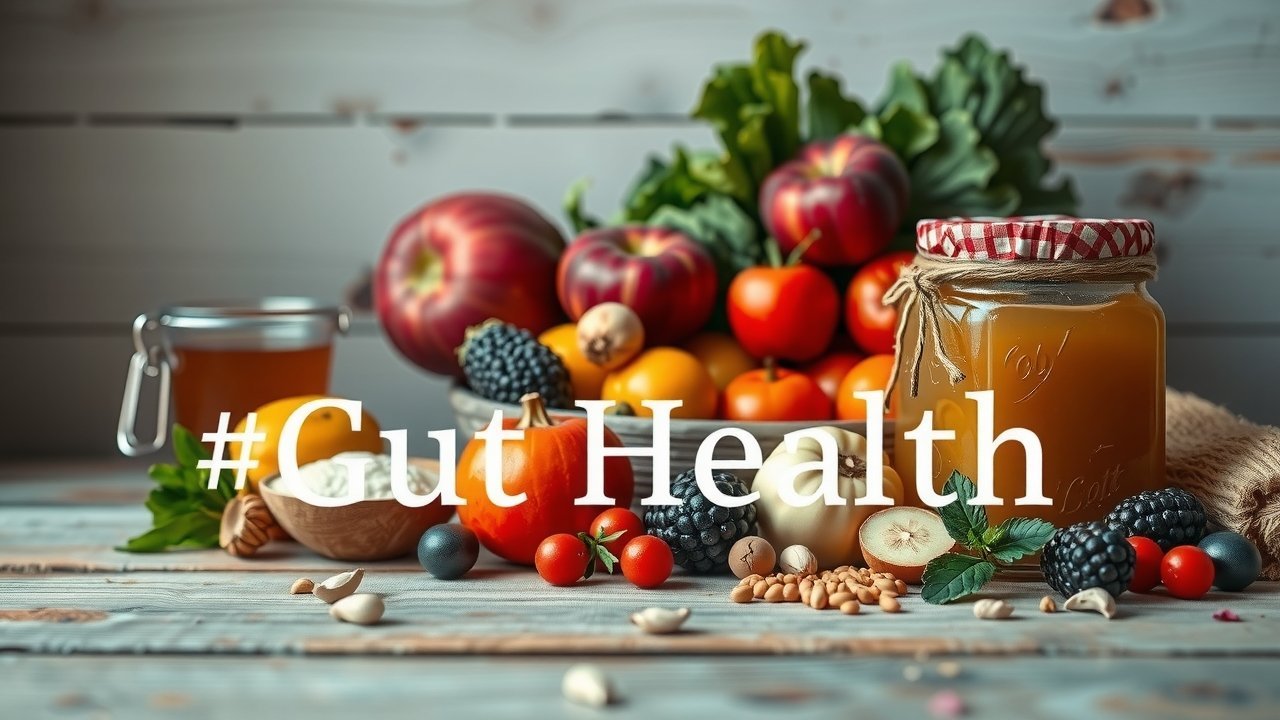
In a world increasingly dominated by processed foods and quick fixes, there’s a profound yearning to return to simpler, more effective ways of nourishing our bodies. This article dives deep into the ancient wisdom of traditional natural healing foods – the very sustenance our ancestors relied upon for vibrant health and resilience. From fermented delicacies that bolster the gut to nutrient-dense broths that rebuild and repair, these foods offer a powerful pathway to reconnect with our innate healing capabilities.
Modern science is now catching up, confirming what traditional cultures have known for centuries: food is medicine. Specifically, what we eat profoundly impacts our gut, which in turn influences everything from our immune system and mood to our energy levels and skin health. Join us as we explore the foundational principles, scientific backing, and practical ways to integrate these time-honored nutritional powerhouses into your daily life for a healthier, more balanced you.
Table of Contents
- Why Traditional Natural Healing Foods Matter
- The Science Behind Traditional Natural Healing Foods
- Top Recommended Products for Gut Health
- Actionable Tips: Integrating Healing Foods into Your Diet
- Common Mistakes to Avoid on Your Healing Journey
- Real Experiences & Transformative Results
- Conclusion & Next Steps
- FAQs About Traditional Natural Healing Foods
Why Traditional Natural Healing Foods Matter
At its core, the significance of traditional natural healing foods lies in their profound ability to restore balance and harmony within the body, particularly within the gut microbiome. Unlike highly processed modern diets that strip away vital nutrients and introduce inflammatory compounds, these ancestral foods are brimming with probiotics, prebiotics, enzymes, vitamins, minerals, and other bioactive compounds essential for robust health. They are the cornerstones of a resilient digestive system, a strong immune response, and sustained vitality.
For millennia, cultures across the globe intuitively understood the connection between food and well-being. From fermented cabbage in Korea to bone broths in indigenous traditions, these foods were not merely sustenance but potent medicines, meticulously prepared to enhance nutrient availability and support the body’s innate healing processes. Their relevance today is even more critical as we face an epidemic of chronic diseases often linked to gut dysbiosis and nutritional deficiencies. Embracing these foods means opting for preventative health, nurturing your internal ecosystem, and building a foundation for long-term wellness.
The Science Behind Traditional Natural Healing Foods
The wisdom embedded in traditional natural healing foods is increasingly validated by modern scientific research, especially concerning their impact on gut health and systemic well-being. These foods leverage biochemical pathways and synergistic nutrient profiles that support every cell in your body. For instance, fermented foods like sauerkraut, kimchi, kefir, and kombucha are rich in diverse strains of beneficial bacteria (probiotics) that colonize the gut, improving digestion, nutrient absorption, and pathogen defense. This microbial diversity is crucial for a balanced gut ecosystem, often referred to as a thriving internal garden.
Furthermore, bone broth, a staple in many ancient diets, is an excellent source of collagen, gelatin, amino acids (like glycine and proline), and minerals. These components are vital for repairing the gut lining, reducing intestinal permeability (leaky gut), and lowering systemic inflammation. The gel-like consistency of gelatin aids digestion and provides a soothing effect on the digestive tract, promoting overall gut comfort and restorative healing. Herbal infusions and specific plant foods also contribute powerful antioxidants and anti-inflammatory compounds, further enhancing the body’s natural detoxification and repair mechanisms, leading to a profound sense of mental ease, robust immunity, and overall vitality.
The intricate interplay of nutrients, live cultures, and bioactive compounds in these foods contributes to a powerful synergy that promotes deep nourishment and holistic well-being. By supporting a healthy gut, they indirectly influence mood regulation through the gut-brain axis, strengthen the immune system, and even improve skin health. This return to foundational eating principles offers a pathway to sustained wellness, emphasizing the body’s natural capabilities for balance and healing.
Top Recommended Products for Gut Health
While embracing whole, natural foods is paramount, certain high-quality supplements can effectively support your journey towards optimal gut health, especially when looking to complement your intake of traditional healing foods. We carefully select products that align with our philosophy of natural, science-backed wellness.
PrimeBiome
PrimeBiome is an excellent choice for those seeking comprehensive gut support. It’s formulated to promote gut flora balance, which is crucial for nutrient absorption and digestive comfort. Many users report noticeable improvements in overall digestive regularity and a sense of lightness. Its blend of prebiotics and probiotics works synergistically with your diet to cultivate a healthy microbial environment, reinforcing the benefits you gain from consuming traditional natural healing foods.
LeanBiome
For individuals focusing on both gut health and weight management, LeanBiome offers a targeted solution. This supplement is designed to support a healthy gut microbiome that influences metabolism and helps manage weight. By fostering beneficial gut bacteria, LeanBiome aids in healthy digestion and nutrient utilization, complementing a diet rich in gut-friendly, traditional foods. It can be particularly beneficial for women aged 25-55 looking for that extra edge in their wellness journey.
Sumatra Slim Belly Tonic
Inspired by traditional Amazonian herbal blends, the Sumatra Slim Belly Tonic aligns perfectly with the spirit of natural healing. This unique tonic is crafted to activate morning metabolism and support fat loss, especially around the belly area, by harnessing the power of natural herbs. Its ingredients are chosen for their ability to gently detoxify and support metabolic balance, making it a wonderful addition for those incorporating traditional natural healing foods into their diet and seeking a natural boost for weight management and overall vitality.

Actionable Tips: Integrating Healing Foods into Your Diet
Transitioning to a diet rich in traditional healing foods doesn’t have to be daunting. Small, consistent changes can lead to significant improvements. Here’s how you can begin incorporating these powerful foods into your daily routine:
- Start with Fermented Foods: Introduce small servings of fermented vegetables (sauerkraut, kimchi), kombucha, or kefir. Begin with a tablespoon or two per day and gradually increase as your gut adapts. These living foods are packed with probiotics that will rebalance your gut flora.
- Embrace Bone Broth: Make homemade bone broth a staple. You can sip it warm, use it as a base for soups, stews, or even cook grains in it. The collagen and gelatin are fantastic for gut lining repair. If making your own isn’t feasible, opt for high-quality, grass-fed organic options.
- Prioritize Whole, Unprocessed Foods: Focus on fresh, organic vegetables, fruits, lean proteins, and healthy fats. Minimize packaged and processed items that contain artificial ingredients, refined sugars, and unhealthy oils, which can disrupt gut health. For more insights, check out our guide on Healthy eating habits and your Gut Health: a complete guide.
- Soak and Sprout Grains & Legumes: Traditional methods of preparing grains and legumes, like soaking, sprouting, and fermenting, reduce anti-nutrients (phytic acid, lectins) that can impair digestion and nutrient absorption. This makes them more digestible and enhances their nutritional value.
- Incorporate Healing Herbs and Spices: Utilize turmeric, ginger, oregano, rosemary, and other anti-inflammatory herbs and spices in your cooking. Many have long histories of medicinal use in traditional practices for their digestive and immune-supporting properties.
- Hydrate with Intention: Beyond water, consider herbal teas like ginger or peppermint, which aid digestion, or warm lemon water in the mornings to kickstart your digestive system. Proper hydration is critical for all bodily functions, including healthy bowel movements.
Consistency is key. Instead of striving for perfection, aim for gradual, sustainable changes that you can integrate into your lifestyle. Each mindful choice you make to include traditional natural healing foods contributes to a more resilient and vibrant you.
Common Mistakes to Avoid on Your Healing Journey
As with any significant dietary shift, there are common pitfalls that can hinder your progress or even cause discomfort. Being aware of these can help you navigate your journey with greater ease and success:
- Overdoing It Too Soon: Introducing too many new fermented foods or other potent healing foods all at once can overwhelm your digestive system, leading to bloating, gas, or discomfort. Start slowly with small quantities and gradually increase as your body adapts.
- Ignoring Individual Sensitivities: While certain foods are generally considered healing, individual bodies can react differently. Pay attention to how you feel after eating specific items. If a food consistently causes distress, it might not be the right fit for you, even if it’s hailed as a “superfood.”
- Expecting Instant Miracles: Healing takes time. Digestive and overall health improvements are often gradual. Don’t get discouraged if you don’t see drastic changes overnight. Consistency and patience are vital for allowing your body to repair and rebalance.
- Neglecting Variety: While focusing on specific healing foods is good, a diverse diet is essential for a broad spectrum of nutrients and microbial diversity. Ensure you’re consuming a wide range of vegetables, fruits, and different types of fermented foods to nourish a robust microbiome.
- Relying Solely on Supplements: While quality supplements can be helpful, especially in the initial stages of healing or to address specific deficiencies, they should complement, not replace, a foundation of whole, nutrient-dense foods. Food always comes first.
- Not Addressing Stress: Diet is a huge piece of the puzzle, but stress profoundly impacts gut health. Chronic stress can negatively alter the gut microbiome and impair digestion. Incorporate stress-reduction practices like mindfulness, meditation, or gentle exercise alongside your dietary changes.
Real Experiences & Transformative Results
The anecdotal evidence for the power of traditional natural healing foods is vast and compelling, often echoing the very principles that modern science is beginning to confirm. Many individuals who commit to incorporating these foods into their diet report remarkable shifts in their well-being. Common feedback includes a significant reduction in chronic digestive issues like bloating, constipation, and acid reflux, leading to greater comfort and regularity. People often describe feeling lighter, more energetic, and experiencing improved mental clarity, underscoring the profound connection between gut health and cognitive function.
Beyond the gut, practitioners of ancestral eating frequently notice stronger immune responses, with fewer colds and infections, and a greater resilience to seasonal bugs. Improvements in skin conditions, from acne to eczema, are also commonly reported, highlighting the “gut-skin axis.” These aren’t overnight transformations but rather a steady journey towards a more balanced, self-regulating body. The key lies in understanding that true healing is holistic, intertwining mind, body, and spirit. For a deeper dive into this integrated approach, consider exploring articles on Holistic Approach to Healing: How Body, Mind & Spirit Work Together. It’s about empowering your body to heal itself through time-tested nourishment, fostering a profound sense of inner harmony and physical resilience.
Conclusion & Next Steps
Embracing the wisdom of traditional natural healing foods offers a profound opportunity to transform your health from the inside out. By prioritizing nutrient-dense, unprocessed, and often fermented foods, you’re not just eating; you’re actively rebuilding your gut microbiome, strengthening your immune system, and fostering a deep sense of well-being that permeates every aspect of your life. This isn’t a restrictive diet but rather a return to fundamental principles of nourishment that have sustained humanity for generations.
Your journey begins with intention and small, consistent steps. Start by integrating one new healing food this week – perhaps a small serving of homemade sauerkraut or a nourishing cup of bone broth. Observe how your body responds, listen to its signals, and gradually expand your repertoire. Remember, the goal is not perfection, but progress and a deeper connection to the food that truly fuels you. By making these gut-friendly choices, you embark on a path to lasting health, experiencing the restorative eating and ancestral wisdom that leads to holistic vitality and enduring wellness. Your body has an incredible capacity to heal, and with the right nourishment, you can unlock its full potential.

FAQs About Traditional Natural Healing Foods
Q1: What are some common examples of traditional natural healing foods?
A: Key examples include fermented foods like sauerkraut, kimchi, kefir, and kombucha; bone broth; organ meats; soaked or sprouted grains and legumes; pasture-raised eggs; wild-caught fish; and a wide array of medicinal herbs and spices like ginger and turmeric. These foods are prepared using methods that enhance their nutrient availability and digestibility, making them powerful allies for health.
Q2: How quickly can I expect to see results from incorporating these foods?
A: The timeline for results varies greatly from person to person, depending on your current health status, the severity of any existing issues, and the consistency of your dietary changes. Some individuals report feeling better within a few weeks, noticing improved digestion, increased energy, or clearer skin. For others, it may take several months to experience significant shifts. Patience and consistency are crucial.
Q3: Are there any specific considerations or disclaimers I should be aware of when adding these foods?
A: Yes, it’s important to start slowly, especially with fermented foods, as they can sometimes cause temporary digestive upset as your gut adjusts. If you have any underlying health conditions, particularly autoimmune diseases, severe digestive disorders, or are on medication, it’s always advisable to consult with a qualified healthcare professional or a registered dietitian before making significant dietary changes. While these foods are generally beneficial, individual needs vary, and a personalized approach is always best. For insights on supporting digestion, you might find our article on Digestive Enzyme Supplements & Gut Comfort helpful.
Affiliate Disclosure: This article contains affiliate links. We may earn a small commission if you purchase through them. We only recommend products we trust.





Be First to Comment